
Reviewed · WALLED CITY & OLD TOWN WALKS
Cartagena: Historic Center and Getsemaní Shared Walking Tour
Cartagena tells its story through your feet. This shared walking tour strings together the Walled City and Getsemaní so you understand how conquest, slavery, independence, and Caribbean music all shaped daily life today. I love the way it explains the history behind the walls in plain language, so landmarks stop being just pretty stone.
I also like the energy switch once you hit Getsemaní, where street art, umbrellas, and the music thread you from old Cartagena into the city’s current social rhythm. One possible drawback: it is a long, sun-heavy walk, so pack comfortable shoes and plan to take hydration seriously.
In This Review
- Key highlights you’ll feel on the route
- Starting at Plaza Cervantes and the Clock Tower Golden Key
- Plazas, enslavement routes, and the story inside the walls
- The museum stops that help you plan your next visits
- San Pedro Claver and how religion connects to human rights
- San Ignacio Bastion and Cartagena’s defensive thinking
- Plaza Bolívar to Centennial Park: independence vibes and animal moments
- Getsemaní under umbrellas: street art, rhythm, and champeta energy
- Price and what $12 actually buys you
- What to bring so the tour feels good, not exhausting
- Who should book this Cartagena walking tour
- Should you book this tour or pick something else?
- FAQ
- How long is the Cartagena Historic Center and Getsemaní shared walking tour?
- Where do I meet the guide?
- What does the tour include?
- Is food or drinks included?
- What languages are offered?
- Do I need hotel pickup or drop-off?
- What should I bring?
Key highlights you’ll feel on the route
- The Clock Tower and Golden Key start the story fast in the center of it all
- Plazas connected to enslaved people are explained without sugarcoating
- Music culture shows up in real locations, from salsa to African champeta
- San Pedro Claver and human-rights architecture give context beyond sightseeing
- Centennial Park wildlife moments add a break from buildings and heat
- Getsemaní streets deliver the most local vibe through color, graffiti, and rhythm
Starting at Plaza Cervantes and the Clock Tower Golden Key
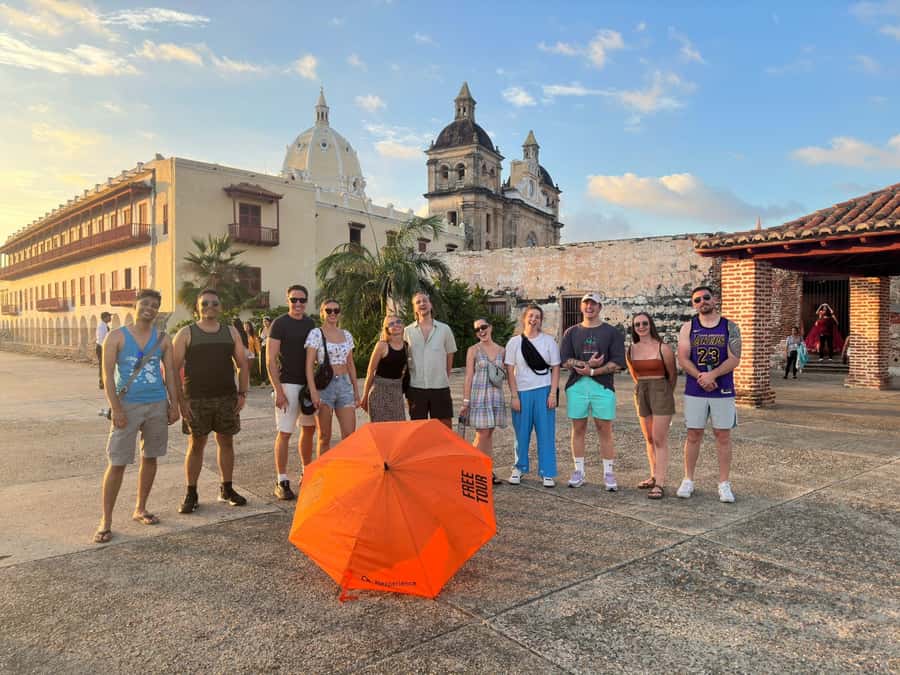
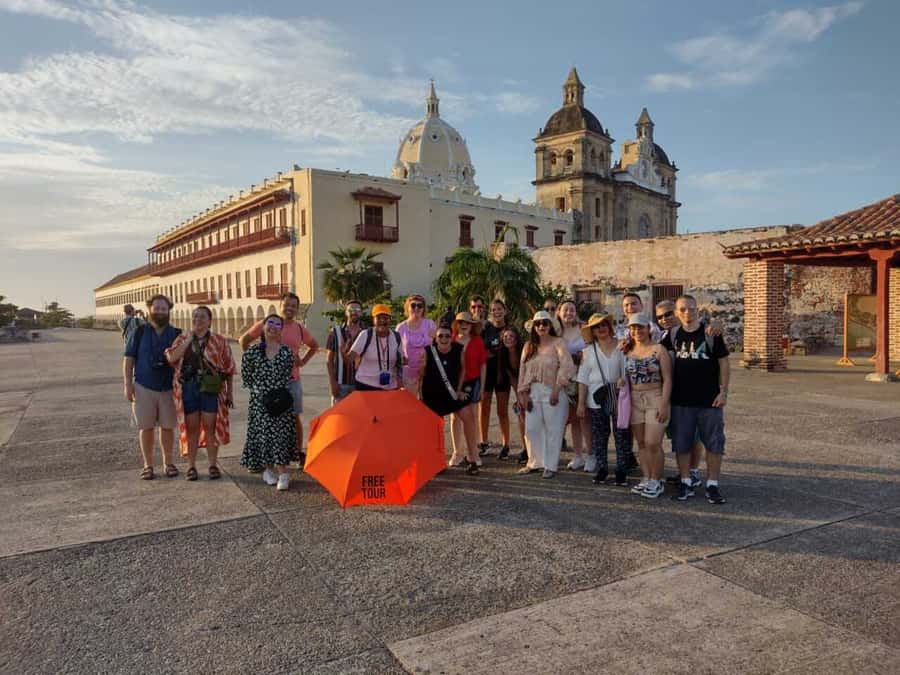
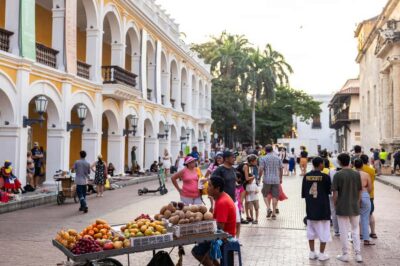
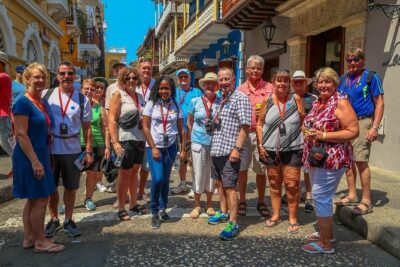
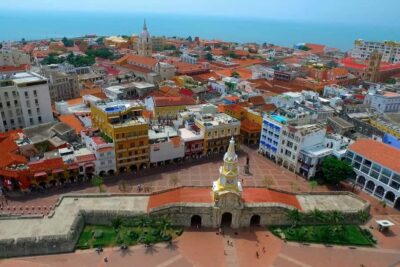
Your tour begins at Plaza Cervantes, right in front of the Clock Tower. This is a smart starting point because you get instant orientation: you’re in the middle of Cartagena’s historic gravity, with the Walled City energy all around you. The guide kicks off the backstory by talking about the indigenous people who were here before and during the Spanish arrival—important because Cartagena’s early story is more than just European ships and fortifications.
Next comes the Golden Key of Cartagena, tied to the Clock Tower area and the Plaza del Ecuador. Expect short stops that explain what you’re looking at and why it matters. You’re not just walking past famous spots; you’re building a mental map. That matters in Cartagena, where streets can look similar and it’s easy to miss what gives a place meaning.
From there, the pace stays active. Guides commonly adjust on the fly to keep groups comfortable, and in this kind of shared tour that can make a big difference. I’d treat this as your “get your bearings fast” experience—because once you understand the center, you’ll enjoy everything else more later.
We have more walks through the walled city and old town of Cartagena


Plazas, enslavement routes, and the story inside the walls
The heart of the tour is the Walled City path that connects major plazas with the grim routes tied to enslavement. You move from Plaza del Esclavo toward streets that helped carry out a brutal system: Porto Carrero and Candilejo are part of the route, and the guide frames what these places meant in practice—not just in theory.
One thing I really value here is that the tour doesn’t pretend history is tidy. It gives context around how Cartagena became a node in conquest and colonial power, and how the city’s walls held more than soldiers. They held a social order that included forced labor and the commodification of human lives.
Along the walk, you also get named stops tied to the human scale of history. Pedro de Heredia appears in the story as part of how Cartagena formed, and that helps you connect the conquest era to the streets you’re standing on. Then you reach the Portal de los dulces, where the guide explains female activity during times of slavery—and why that tradition still shows up through descendants and street culture today. It’s the kind of detail that makes a walking tour feel earned instead of scripted.
You’ll also pass by Plaza de la Aduana, tied to the commercialization of merchandise, including enslaved people. The Municipal Hall is mentioned as a key building here, which helps you see the city as an operating system—not just a museum.
The museum stops that help you plan your next visits
Cartagena has more museums than most visitors expect, and this tour nudges you toward the ones that make sense given what you just learned. You’ll hear about major cultural institutions connected to the Caribbean and Latin America of the mid-20th century, including the Museum of Modern Art.
The route also highlights the Gold Museum and the Emerald Museum. Even if you don’t go inside during the walk, these stops are useful because the guide explains what kinds of indigenous pieces you’d be looking for, and why the stones and craft traditions matter. After hearing the tour’s narrative, you’ll likely understand your own reason for choosing a museum ticket later—whether you’re into pre-Columbian artifacts, jewelry craft, or the broader story of identity through material culture.
This is a good time to think practically: Cartagena museum hours and priorities can be a puzzle once you’re on the ground. Getting a clear mental shortlist from a guide usually saves you from wasting one of your limited days on the wrong museum.
San Pedro Claver and how religion connects to human rights
A major stop is San Pedro Claver, known as Slave of the Slaves. The guide uses this point to talk about religion not as abstract spirituality, but as something tied to how people responded to suffering. You’ll see the church and the Museum-Monastery that carry his name, described as a headquarters of human rights.
This is where the tour’s tone matters. It’s not edgy for attention. It stays respectful and grounded, which is exactly what you want when the subject is slavery and the long impact it left behind. If you’ve been learning the city as a set of walls and plazas, this section forces the question: who benefited, who suffered, and what did people do next?
I like that the guide ties architecture to intention. When you look at a church or monastery, it’s easy to treat it as scenery. Here, it becomes a visible record of moral choices and historical memory.
San Ignacio Bastion and Cartagena’s defensive thinking
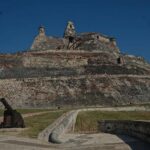
After that heavier stretch, you move toward military history at San Ignacio Bastion. Built to defend the Bay of Souls from pirate attacks, this is one of those stops where you can really “read” the city. The guide explains the defensive strategy behind the bastion so it doesn’t feel like random stonework.
If you like pirate and corsair stories, you’ll get those too, but framed as part of a bigger system of power and threat. This is also one of the best places to notice the difference between Cartagena’s branding as a postcard city and its reality as a port city that needed serious protection.
Walking toward bastions can be sweaty in the afternoon, so I’d keep an eye on your energy. Bring sunscreen and water, and don’t feel rushed. A good guide will pace you, and many guides on this route are praised for keeping groups in shade when possible—which is not a small deal in Cartagena.
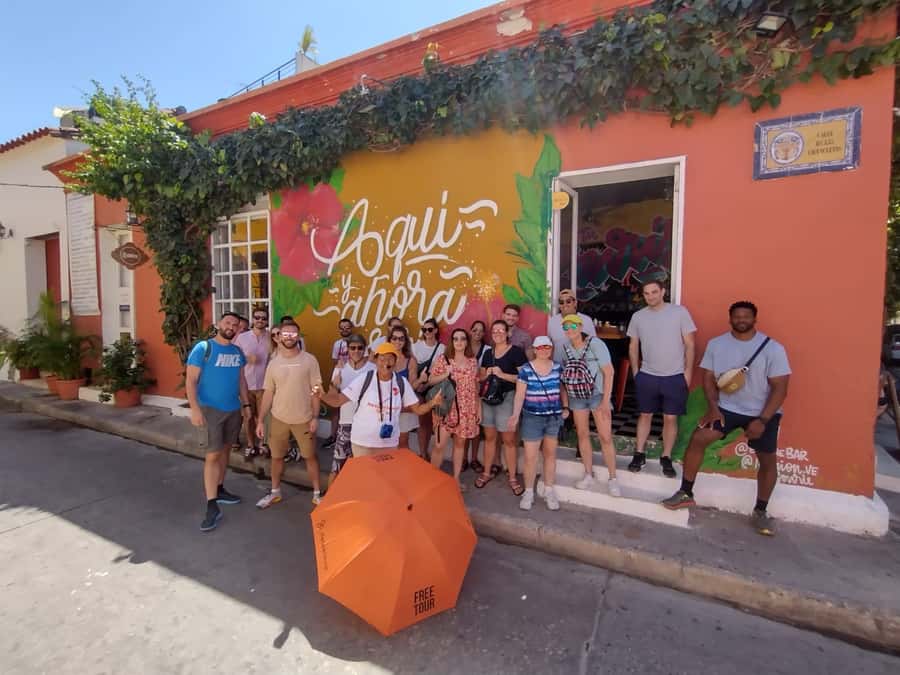
There is more Getsemani street art and graffiti to wander in Cartagena

Plaza Bolívar to Centennial Park: independence vibes and animal moments
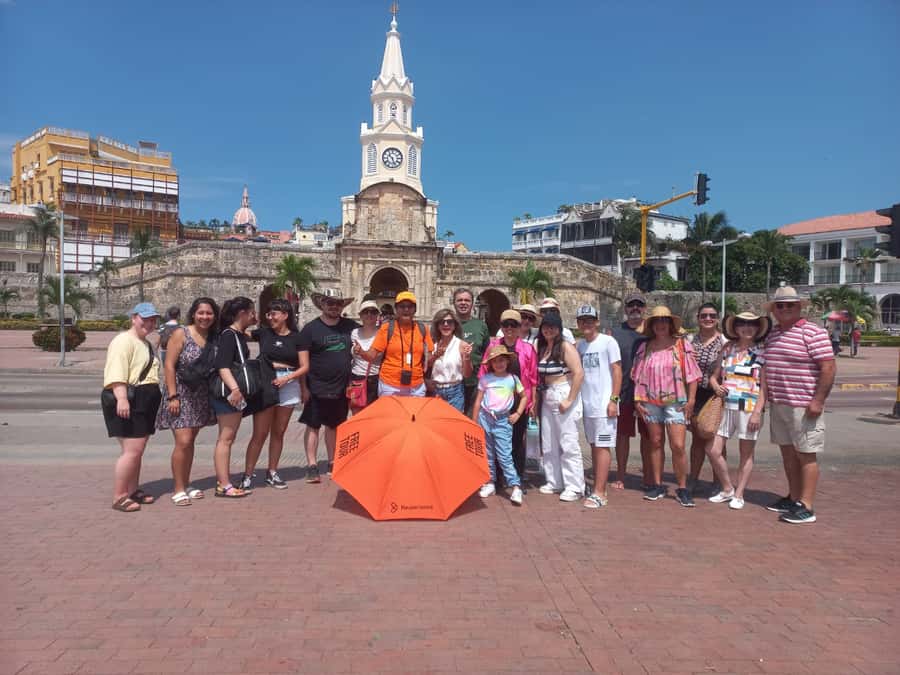
You’ll reach Plaza Bolívar, a place that connects to independence through homage to the precursor of independence. This is a nice reset because it gives you a sense of momentum: Cartagena isn’t frozen in the colonial past. You also get a spot to refresh before continuing into the park zone.
Then you head to Centennial Park, described as the lungs of Cartagena and a former railway station. The guide explains how the area relates to a relic tropical dry forest. In practical terms, that means more shade and a more breathable break from stone walls.
And yes, you may see animals. Reviews mention sightings like monkeys, sloths, and iguanas in the park area. Even if you don’t catch all of them, the point is that the tour gives you a change of pace—one of the reasons this route works so well as an introduction to the city instead of just a history lecture.
Getsemaní under umbrellas: street art, rhythm, and champeta energy
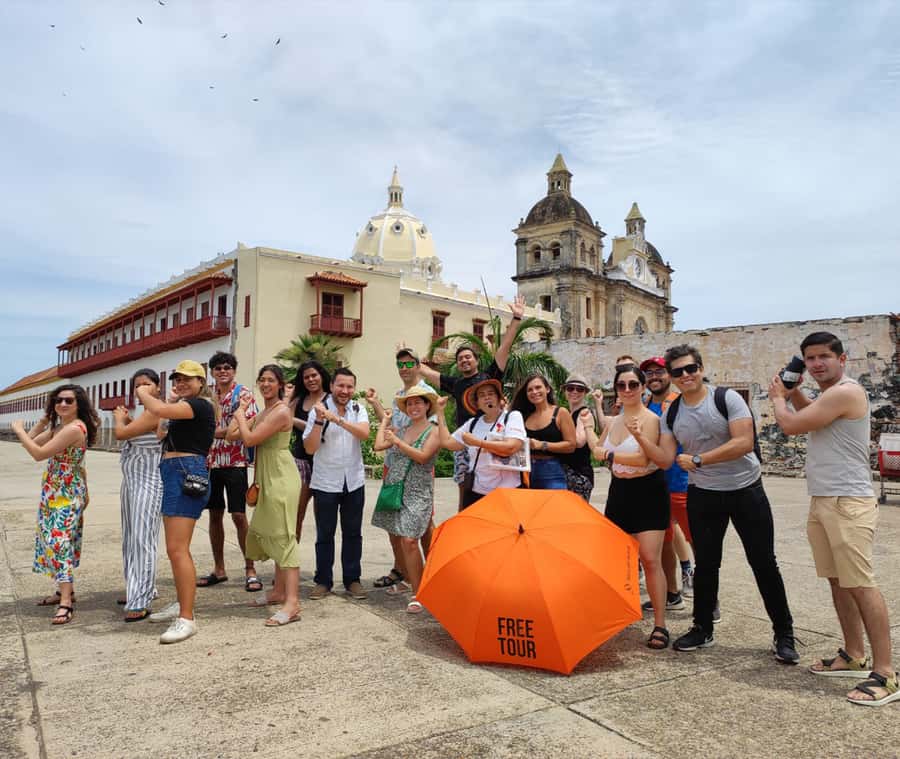
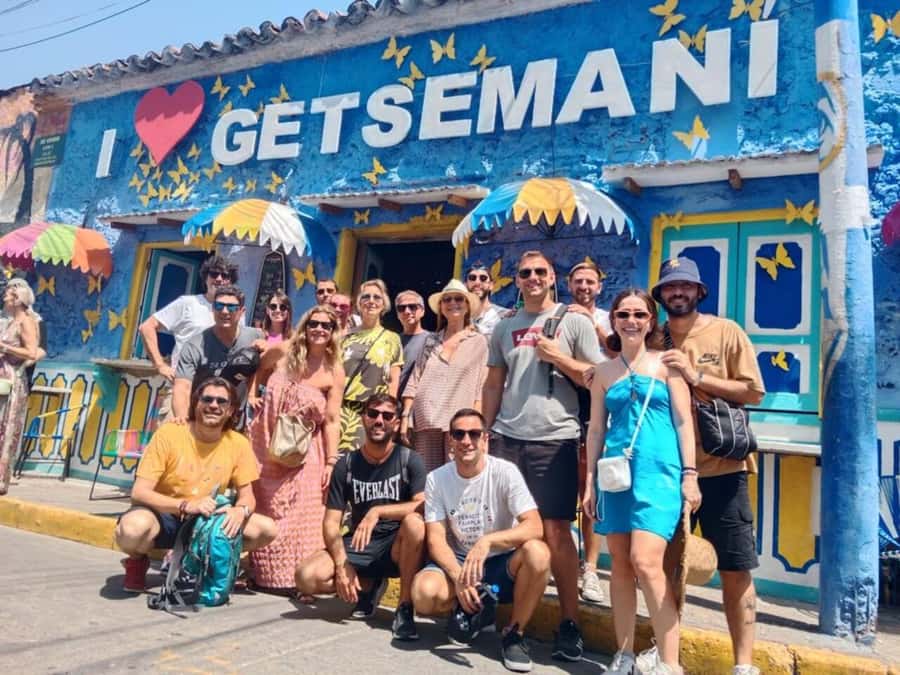
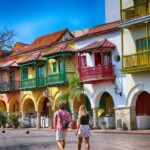
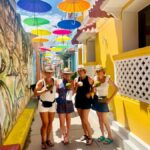
Getsemaní is where the tour turns from historic explanation into cultural experience. You’ll walk through one of the city’s most colorful cultural corridors, shaped by umbrellas (the guide connects them to advertisement), graffiti, and distinctive local architecture.
This part helps you understand Cartagena as a living place. The streets aren’t just decoration; they reflect identity, celebration, and community. The guide ties that feel back to the earlier lessons, so the city’s music and social order don’t feel like an afterthought.
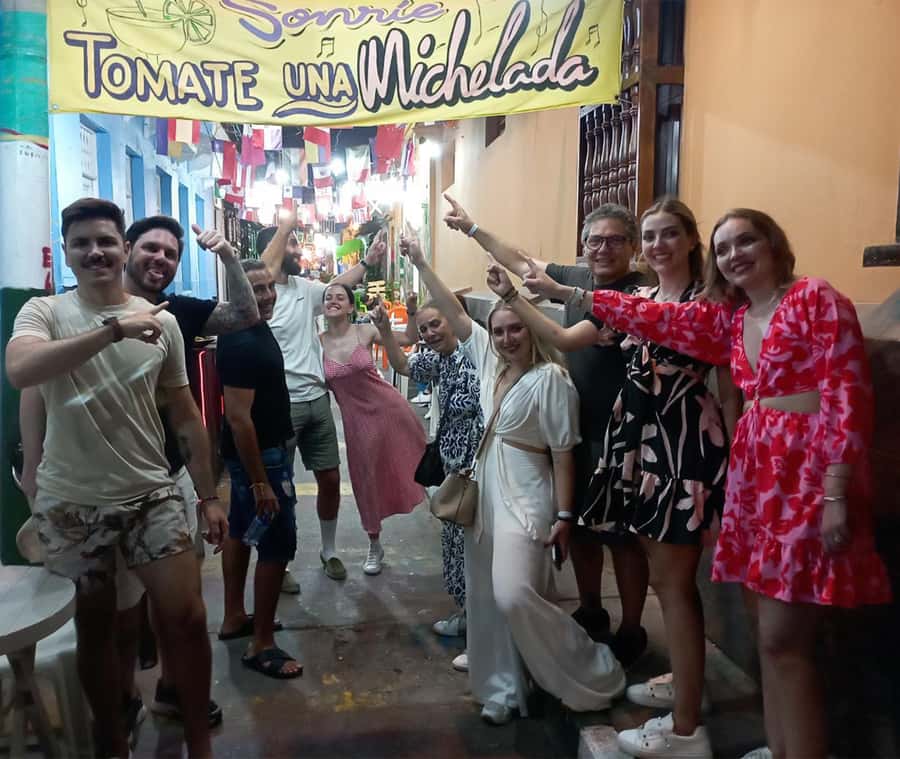
You’ll eventually reach Callejón Ancho and end at Calle San Juan. Here, the sound of salsa and African champeta comes in, and many guides make this section interactive—some teach a few dance steps or encourage the group to move. That’s one of the most-loved elements of this tour style because it changes you from spectator to participant.
If you’re worried about standing around with nothing to do, don’t. This ending tends to give you a memory that lasts longer than another photo.
Price and what $12 actually buys you
At about $12 per person for 150 minutes, the value comes from three things: a professional guide, two major neighborhoods covered in one go (Historic Center and Getsemaní), and tips included in the experience price. That tip-in model matters because it reduces the end-of-tour awkwardness for some people and lets you focus on the walking.
Also, this tour is built around interpretation. You’re not paying just for movement—you’re paying for someone to connect conquest, colony, independence, enslavement routes, and today’s music culture so you stop seeing Cartagena as a list of stops.
The other value angle: many guides are praised for pacing and for keeping groups in shade when possible. That affects comfort, and comfort affects how much you actually take in. If you’re visiting for a short time, this kind of guided, structured first look can save you time and regret.
What to bring so the tour feels good, not exhausting
This is a walking tour, so plan for bodies and weather. Cartagena heat and sun can be intense, and the route includes long stretches outdoors.
Bring:
- Comfortable shoes you can walk in for a couple hours
- Sunscreen
- Comfortable clothes suitable for the weather
- Water (even if you’re not told specifically, it’s practical)
If rain pops up, don’t panic. One guide can’t control the sky, but a flexible route can still work. Still, pack something light and weather-appropriate because wet streets plus stone streets can slow you down.
Who should book this Cartagena walking tour
This tour is a great match if you want:
- A strong introduction to Cartagena’s Walled City and how it connects to colonial power
- A history-first route that still makes room for culture and music
- A guided way to see Getsemaní without getting lost in the fun chaos
- A walking experience that often includes interaction, including dance moments
It may not be ideal if you prefer a quiet, museum-only day or if you strongly dislike walking in heat. It’s also not set up as a food tour; you’ll learn where to go later, but food and drinks are not included during the walk.
Should you book this tour or pick something else?
If it’s your first day in Cartagena, I’d book this. It gives you a framework that makes the Walled City feel legible and Getsemaní feel meaningful. The mix of conquest-to-independence storytelling, enslavement-route context, and an ending tied to salsa and champeta is a good way to understand the city as both past and present.
Skip it only if you want a slower, less historical pace, or if you know walking long distances in sun is a hard no for you. Otherwise, this is one of the most cost-friendly ways to get real context fast—then enjoy the rest of Cartagena with better instincts and better questions.
FAQ
How long is the Cartagena Historic Center and Getsemaní shared walking tour?
The tour runs for about 150 minutes.
Where do I meet the guide?
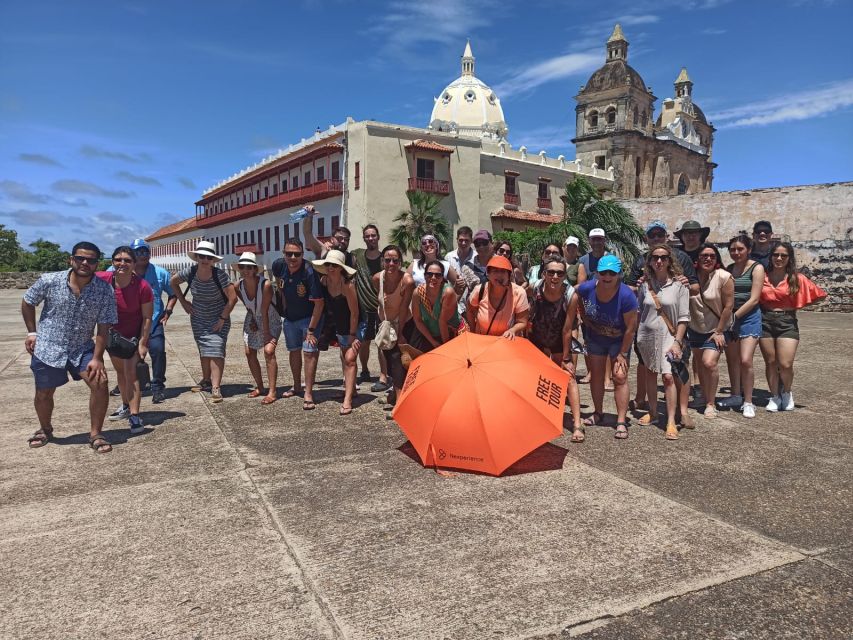
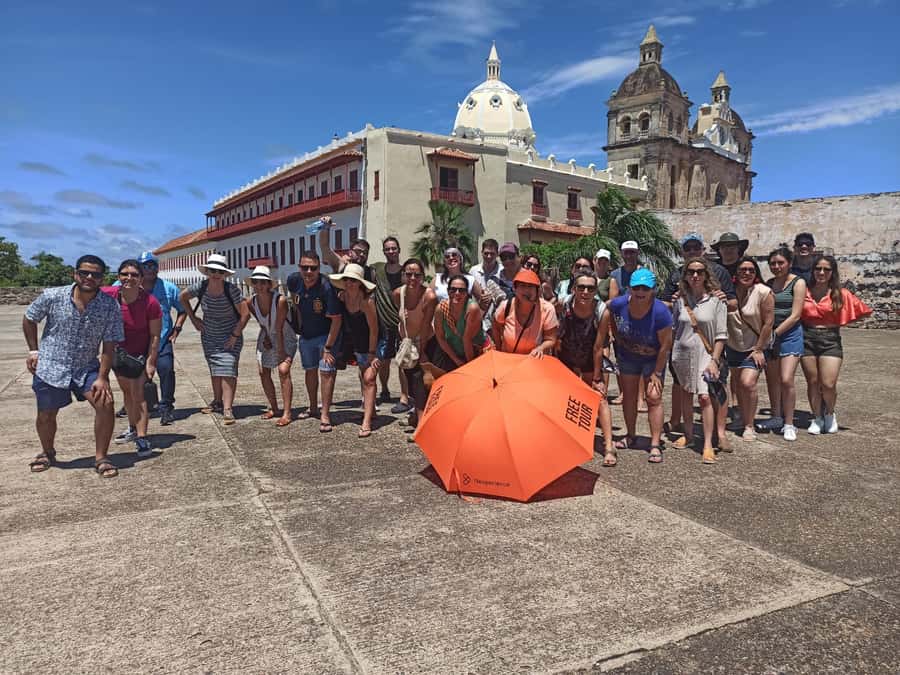
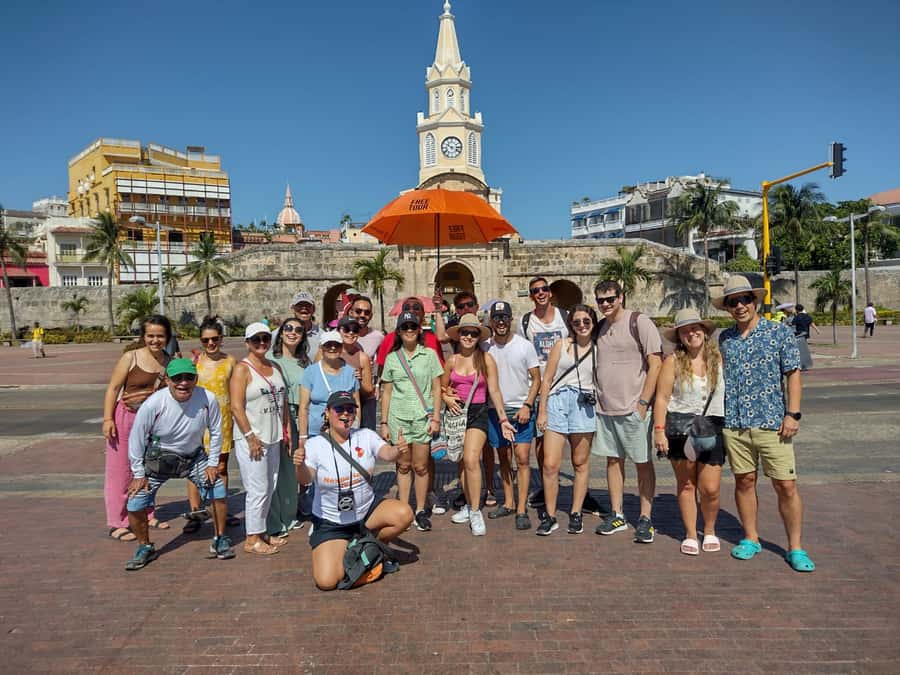
Meet at Plaza Cervantes – Camellón de los Mártires, in front of the Clock Tower. Look for the orange umbrella.
What does the tour include?
You get a professional live guide, a walking tour through Cartagena’s Historic Center (Walled City) and Getsemaní. Tips are included.
Is food or drinks included?
No. Food and drinks are not included.
What languages are offered?
The guide offers the tour in English and Spanish.
Do I need hotel pickup or drop-off?
No hotel pickup or drop-off is included.
What should I bring?
Wear comfortable shoes and bring sunscreen and weather-appropriate clothing.
More Walled City and Old Town Walks in Cartagena
More Tour Reviews in Cartagena



Not quite it? Here is more to do around Cartagena, freshly reviewed









Walled City & Old Town Walks, compared.
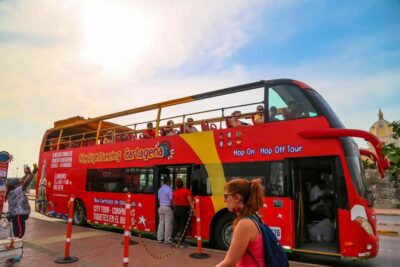 ★ 3.9City Sightseeing Hop-On Hop-Off Bus Tour & ExtrasFrom $23681 reviews
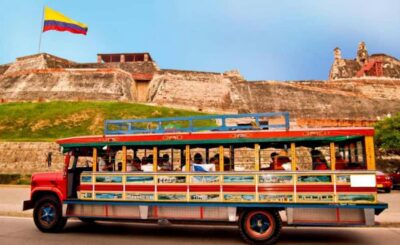 ★ 4.0Panoramic City Tour, Monuments, Walls, CastleFrom $15636 reviews
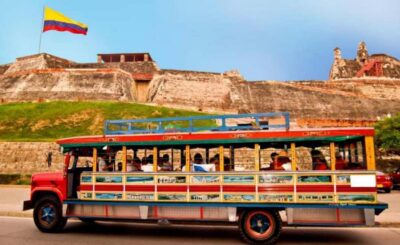 ★ 4.2BILINGUAL CITYTOUR + SAN FELIPE CASTLE & Old cityFrom $29387 reviews
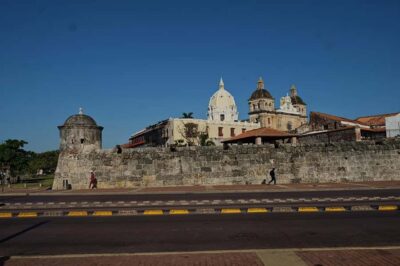 ★ 4.5Walled City and Getsemani Shared Walking TourFrom $16352 reviews
 ★ 4.0City Tour Hop On Hop Off – Bus Turistico de 2 pisos147 reviews
 ★ 5.0Shore Excursion PRIVATE City tourFrom $163121 reviews
 ★ 4.8Walled City & Getsemani Private TourFrom $69107 reviews
 ★ 4.53 Tapas Cartagena walking tourFrom $65105 reviews
Browse the lists this tour appears in