
Reviewed · WALLED CITY & OLD TOWN WALKS
Cartagena Grand City Tour
Cartagena changes fast, and this tour helps you keep up. I love the way it pairs different neighborhoods with big-picture context, so the city makes sense beyond the postcard walls. I also love the one-two punch of Castillo de San Felipe de Barajas and La Popa, where the views explain why Cartagena was worth fighting over.
The main thing to consider is time. This is an 8-hour day with a lot of driving (about 4 hours) to reach spots like Isla de Manga, the fortress, and La Popa, and the afternoon includes walking in the historic center. The notes also say transportation back to your hotel isn’t included after the walking part, so I’d confirm that point before you go.
In This Review
- Key Things to Know Before You Go
- How This Tour Fits First-Time Cartagena (Without Just Doing the Walls)
- Bocagrande and Manga: The Quick Reality Check Before the Old City
- Bazurto Market (Optional): Choose It If You Want Real Local Life
- Lunch and the Pivot to Old City + Getsemaní Walking
- Plaza de Bolívar: Where Cartagena’s Story Gets Official
- San Pedro Claver Church: 17th-Century Art You Can Actually See
- Castillo de San Felipe de Barajas: The Big Spanish Military Statement
- Isla de Manga and La Popa: The Viewpoints That Explain the Whole Day
- Price and Logistics: What $301 Buys You (And What to Watch)
- Who This Tour Is Best For (And Who Might Skip It)
- Should You Book the Cartagena Grand City Tour?
- FAQ
- How long is the Cartagena Grand City Tour?
- What is included in the price?
- Are drinks included?
- Do I need to pay VAT on top of the price?
- What languages are available for the guide?
- Is this a private group?
- Does the tour include hotel pickup?
- Does transportation back to my hotel happen after the walking part?
- What should I bring?
Key Things to Know Before You Go
- Hotel pickup included: you start from your Cartagena hotel, which makes a long day easier.
- Neighborhood contrast first: Bocagrande and Manga set the stage before you hit the older parts of town.
- Bazurto is optional: if you’re into local food culture, choose it; if you’d rather keep it calmer, you can skip it.
- Old City stops are specific: Plaza de Bolívar and San Pedro Claver Church are built into the route, not added as an afterthought.
- Fort + viewpoint combo: San Felipe is a major Spanish military site, and La Popa gives the skyline-from-above payoff.
- Skip-the-line tickets: less waiting at key sites means more time with your guide.
How This Tour Fits First-Time Cartagena (Without Just Doing the Walls)
Cartagena has two personalities. One is postcard-pretty: stone lanes, churches, plazas, and that unmistakable colonial look. The other is everyday Cartagena: markets, neighborhoods with modern edges, and the coastal areas that help explain the city’s geography.
This Grand City Tour is designed to connect those dots. You don’t just bounce between monuments; you get a guided route that makes architecture and urban planning feel like part of one story. The private group format also matters. When you can ask questions and get direct answers from a live guide (English or Spanish), the day stops being a checklist and starts feeling like a guided orientation you can build on for the rest of your trip.
The value is in the coverage, not in adding lots of random stops. You hit major landmarks, but the pacing still gives you walking time in the Old City and Getsemaní, plus viewpoint time at the fortress and La Popa.
We have more walks through the walled city and old town of Cartagena

Bocagrande and Manga: The Quick Reality Check Before the Old City
You begin with hotel pickup, then head through Bocagrande and Manga. This is one of my favorite parts of this style of tour because it gives you context fast. Bocagrande and Manga aren’t there to fill time. They show how Cartagena sits between present-day city life and its historic core—so when you later see colonial walls and church facades, you understand what’s around them.
As you move through these areas, you’ll notice architectural differences more clearly: building heights, street rhythms, and how the city “layers” newer structures over older foundations. Your guide’s job here is practical—help you read the city while you’re still fresh enough to care.
If you like photography, this is also where you get easy-to-frame views and quick snapshots that later make the skyline scenes at La Popa hit harder. And because the tour starts with orientation, the rest of the day feels less like running around.
Bazurto Market (Optional): Choose It If You Want Real Local Life
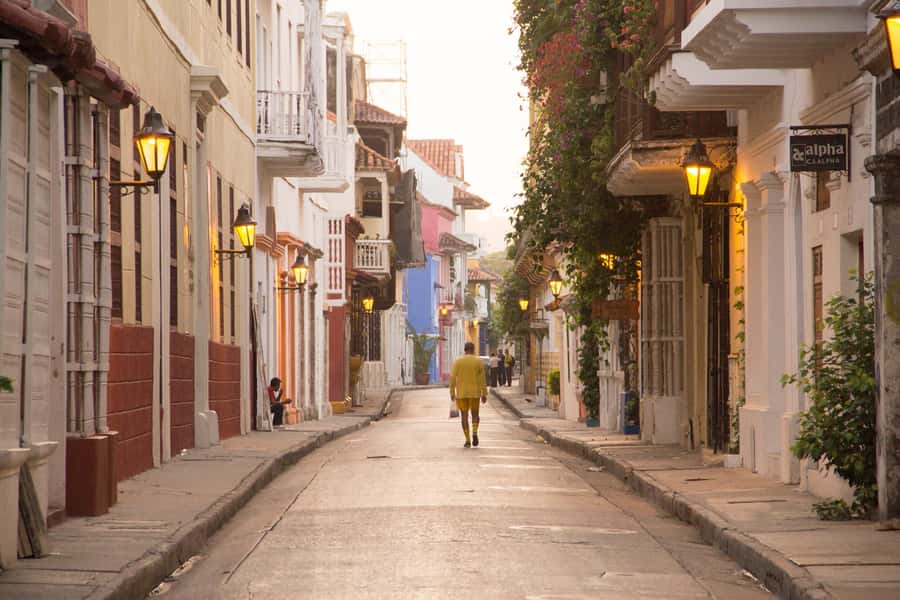
Bazurto is an optional stop, and I think that’s a smart choice. Markets are where Cartagena feels immediate: colors, food smells, and people going about their day. If that’s your thing, this is the kind of stop that turns a sightseeing day into a culture day.
You can expect a local market with vivid visuals and local food culture, including fruit variety. This isn’t presented as a formal tasting event with a set menu—more like a guided look at everyday Cartagenian life. That makes it easier to match your comfort level. Want to stay close to the guide and observe? That works. Want to ask questions about what you’re seeing? That works too.
Possible drawback: if you don’t enjoy crowded, active market energy, you might prefer skipping it. Since it’s optional, you can keep the day focused on the historic sites and viewpoints that are non-negotiable for many visitors.
Lunch and the Pivot to Old City + Getsemaní Walking
Lunch is included, and that matters more than it sounds. An 8-hour itinerary with fortress viewpoints and church interiors can drain you, and you don’t want to spend your midday searching for something that actually opens on schedule.
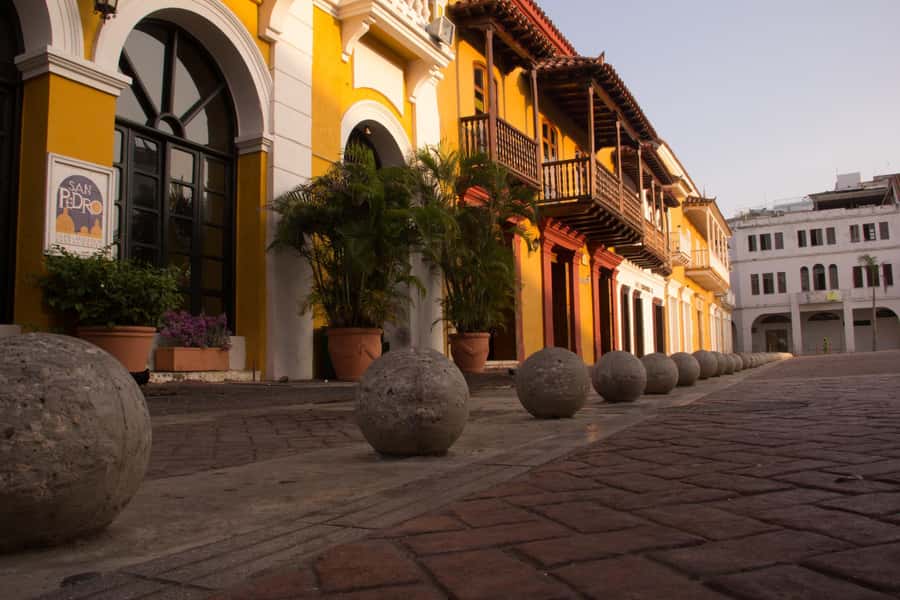
After lunch, the tour shifts into walking mode through the Old City and Getsemaní. This is where your feet do some of the work and your guide does the explaining. Instead of racing past façades, you’ll move through lanes and around bustling squares long enough to notice architecture details and the way plazas shape daily life.
Getsemaní in particular helps balance Cartagena’s story. It gives you a view of the city that’s connected to its present-day energy rather than only its colonial-era image. If you’ve been expecting the Old City to be the whole show, this segment corrects that quickly and pleasantly.
Plaza de Bolívar: Where Cartagena’s Story Gets Official
Plaza de Bolívar is one of those stops that seems simple until you stand there and realize what a plaza represents. It’s public space, power space, and meeting space all at once. For Cartagena, it’s also a symbolic anchor point as you move through the historic center.
The guide’s value here is in tying the square to what comes next: the religious and political footprint left in the built environment. Even if you don’t go deep into facts on your own, seeing how plazas connect to churches and government space helps you understand why certain locations became central.
Think of it as a “reset” stop. You take in the space, get oriented, and then the tour becomes easier to follow: which buildings matter, how the streets lead, and where viewpoints will later make sense.



San Pedro Claver Church: 17th-Century Art You Can Actually See
Next comes San Pedro Claver Church, a 17th-century site known for religious art and artifacts connected to Cartagena’s cultural story. This is a stop for people who enjoy real inside-the-building moments, not just facades from the sidewalk.
What makes this worth your time is the guided context. Churches like this often have enough visual detail that you can admire without understanding. With a guide, you get help connecting what you’re seeing—religious artworks and artifacts—with why Cartagena developed such visible religious presence over time.
If you’re traveling with limited time, a church stop can feel like a “must because it’s on the list.” Here, it’s paired with major orientation stops like Plaza de Bolívar, so the church becomes part of the city’s logic rather than a standalone interior visit.
Castillo de San Felipe de Barajas: The Big Spanish Military Statement
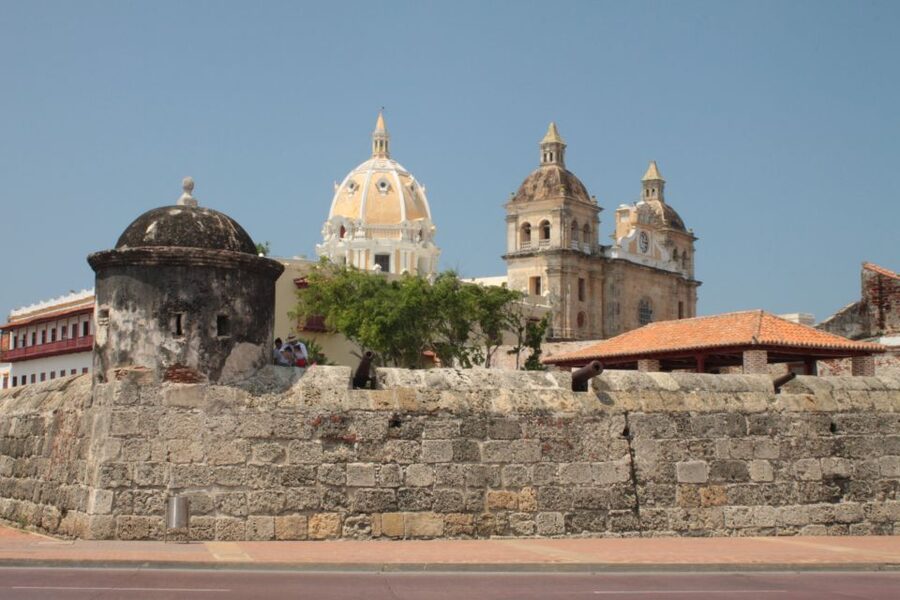
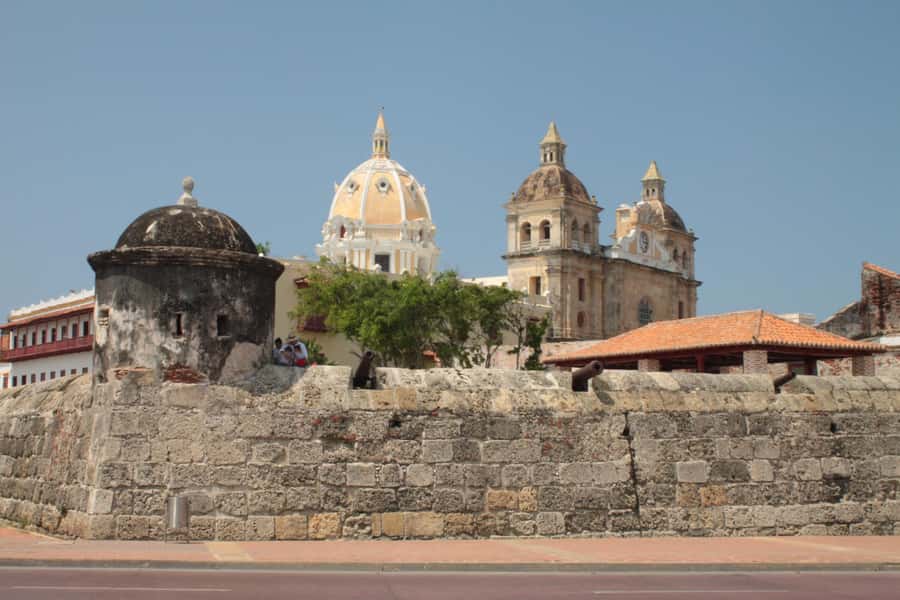
Then you reach the star fortress moment: Castillo de San Felipe de Barajas. This is described as the largest Spanish military structure in the Americas, and that claim instantly tells you what kind of site you’re dealing with—scale, strategy, and defensive design.
Your experience here isn’t just looking at old walls. It’s understanding why Cartagena mattered and how military engineering shaped what visitors can still see today. The guide can help you read the fortress layout and explain the logic behind its construction, which makes the visit feel less like “touring stones” and more like interpreting a working defensive system.
Skip-the-ticket-line access is also a real benefit here. Fortresses often have lines, and waiting without context is a waste when you’ve got an 8-hour day with multiple major stops.
Practical tip: wear comfortable shoes. Even if you’re not doing a long hike, fortress grounds generally mean uneven steps and lots of standing time for views.
Isla de Manga and La Popa: The Viewpoints That Explain the Whole Day
The tour includes a lot of transit to reach key locations, and part of that drive goes toward Isla de Manga and then onward to La Popa. The route is built so you experience Cartagena from different angles—coastal-area perspective first, then a commanding viewpoint from high ground.
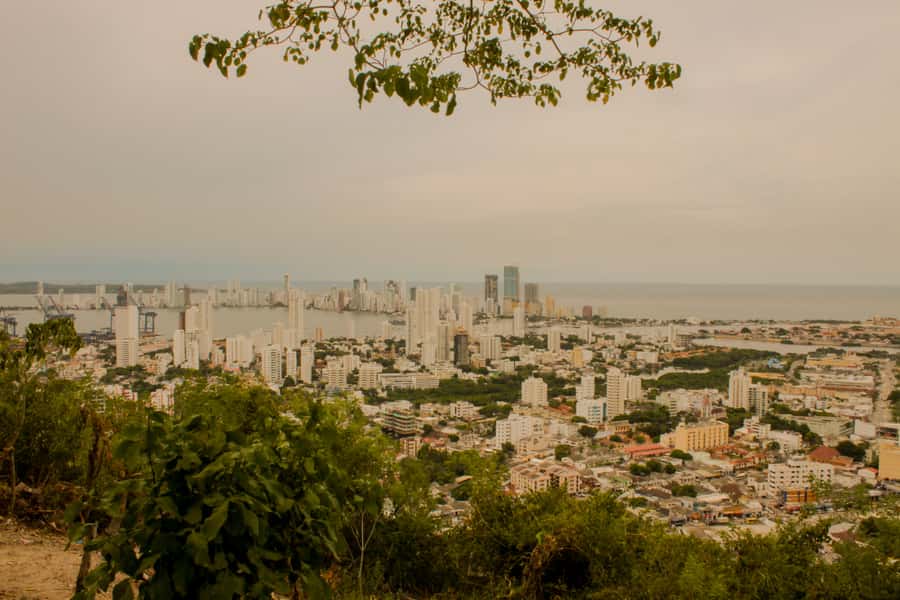
La Popa is the payoff: it’s home to a centuries-old monastery, and the views from here are described as amazing. This stop is valuable because it’s one of the few places where you can see how the city spreads out and why the region’s geography shaped its history.
If you care about photos, this is the moment you’ll feel glad you brought water and shade planning. If you care more about understanding, La Popa still delivers. From high above, streets, neighborhoods, and the historic core stop looking random. They start looking like a city designed around geography and defense.
One more thing: because the day involves transit and then walking, don’t plan anything tight right after the tour ends. The notes indicate the tour concludes with walking exploration in the historic center, and transport back to the hotel is not included for that final part—so build buffer time.
Price and Logistics: What $301 Buys You (And What to Watch)
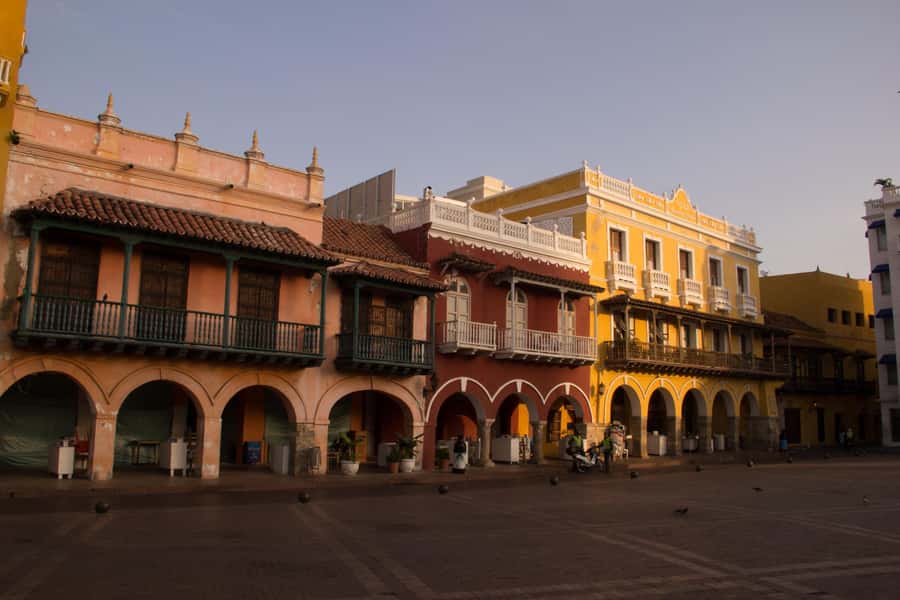
At $301 per person for an 8-hour private tour, you’re paying for more than a ride. The price includes hotel pickup and drop-off, lunch, an expert guide (Spanish or English), and entry tickets to the places visited. That’s a lot of “stuff” bundled together, which is usually where good value comes from on a busy day.
It also includes skip-the-ticket line access, which can save time when you’re moving between sites like a fortress and church interiors. In a day this packed, time saved isn’t a luxury—it’s the difference between seeing a place calmly and spending your effort standing around.
What’s not included: extra drinks. So if you tend to buy beverages during sightseeing, plan on that cost.
Then there’s the VAT detail. The price you paid doesn’t include 19% V.A.T. If you’re entering Colombia as a tourist and qualify for the VAT benefit, you need to provide proof by sending a copy of your passport and a photo of your entry stamp. That requirement is on you, not on the tour itself, so don’t leave it until the last minute.
Finally, watch the end-of-tour transportation note. The tour includes hotel pickup and drop-off, but the walking finale in the historic center is described with transport back to the hotel not included. Before you go, I’d message the provider to clarify where you’ll finish and how you’ll get back after the final walk.
Who This Tour Is Best For (And Who Might Skip It)
This Grand City Tour is ideal if you want a guided introduction that goes beyond the obvious postcard sights. It fits history and culture fans, people who like architectural variety, and anyone who wants viewpoints without having to plan a mini-adventure across town.
It’s also a strong option if you enjoy asking questions. The guides here are described as professional and attentive, with English fluency noted in one experience. That matters because the tour’s value depends on interpretation—what you see is good, but the guide makes it click.
If you prefer a slow day with minimal moving, this might feel like too much. Between the transit time, fortress stop, monastery viewpoint, and the walking in the historic center, it’s a full plate. Also, if markets feel stressful for you, skip Bazurto since it’s optional.
Should You Book the Cartagena Grand City Tour?
I’d book this tour if you want one day that connects Cartagena’s neighborhoods, its major landmarks, and its big viewpoints into a single, guided storyline. The combination of Castillo de San Felipe de Barajas and La Popa gives you perspective, while Plaza de Bolívar and San Pedro Claver Church add cultural depth you can’t get from photos alone. Add lunch and skip-the-line access, and it becomes a practical way to maximize your time.
I’d hesitate if you’re very budget-sensitive about extras, if you don’t handle long transit well, or if you need guaranteed end-of-day hotel transport after the final walk. For most visitors, though, the structure is exactly what you want on a first visit: organized, informative, and designed to keep you oriented.
FAQ
How long is the Cartagena Grand City Tour?
It lasts 8 hours.
What is included in the price?
Hotel pickup and drop off, lunch, an expert guide in your preferred language, and entry tickets to the places visited.
Are drinks included?
Extra drinks are not included.
Do I need to pay VAT on top of the price?
The price you paid does not include 19% V.A.T., and the VAT benefit for foreigners entering as tourists requires you to send proof (a copy of your passport and a photo of the entry stamp).
What languages are available for the guide?
The live guide is available in Spanish and English.
Is this a private group?
Yes, it’s listed as a private group.
Does the tour include hotel pickup?
Yes, pickup is available from your hotel in Cartagena.
Does transportation back to my hotel happen after the walking part?
The notes say the tour concludes with a walking exploration of the historic center, with transportation back to the hotel not included. You should confirm what your specific pickup/drop-off will cover at the end.
What should I bring?
Bring a passport or ID card, comfortable shoes, a sun hat, and water.
More Walled City and Old Town Walks in Cartagena
More Tour Reviews in Cartagena



Not quite it? Here is more to do around Cartagena, freshly reviewed







Walled City & Old Town Walks, compared.
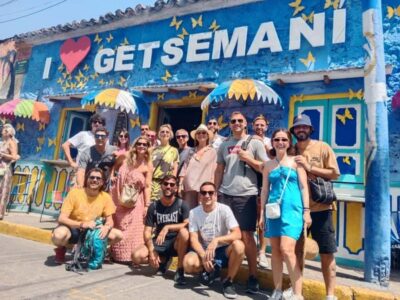 ★ 4.9Historic Center and Getsemaní Shared Walking TourFrom $122,716 reviews
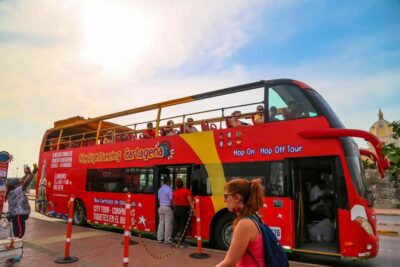 ★ 3.9City Sightseeing Hop-On Hop-Off Bus Tour & ExtrasFrom $23681 reviews
 ★ 4.0Panoramic City Tour, Monuments, Walls, CastleFrom $15636 reviews
 ★ 4.2BILINGUAL CITYTOUR + SAN FELIPE CASTLE & Old cityFrom $29387 reviews
 ★ 4.5Walled City and Getsemani Shared Walking TourFrom $16352 reviews
 ★ 4.0City Tour Hop On Hop Off – Bus Turistico de 2 pisos147 reviews
 ★ 5.0Shore Excursion PRIVATE City tourFrom $163121 reviews
 ★ 4.8Walled City & Getsemani Private TourFrom $69107 reviews
Browse the lists this tour appears in