
Reviewed · LA BOQUILLA MANGROVES & BIRDWATCHING
Explore La Boquilla’s Mangrove Tunnels with Local Fishermen
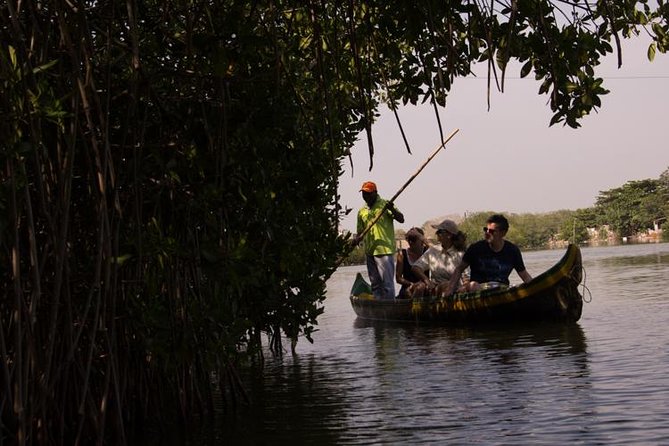
Three hours, and the city disappears. This trip takes you from Cartagena into La Boquilla’s mangrove waterways, where you paddle quiet tunnels through living root arches and learn how local families depend on (and help protect) the ecosystem.
Two things I really like: first, the canoe time is the core experience, not a side activity, so you actually get the calm, close-up mangrove feel. Second, the tour connects nature to daily life with conservation stories and hands-on local guidance, including fishermen you’ll hear from directly (names like Javier and Luis show up in the day-to-day experience).
One consideration: it’s a water-based, rain-or-shine outing. You’ll want water-friendly shoes and sun protection, because you should expect splashes and a mix of bright sun and humid air.
In This Review
- Key highlights worth caring about
- From Cartagena pickup to quiet mangrove water
- The canoe focus: what makes the mangrove tunnels special
- Ciénaga de la Virgen: where conservation meets living arches
- Ciénaga de Juan Polo: a second lagoon, a different story
- Playas de la Boquilla: meeting local guides on their home water
- Price and value: is $159 a good deal?
- Logistics that help: timing, comfort, and what to pack
- Guides, pace, and the human side of the day
- Should you book this mangrove tunnel canoe tour?
- FAQ
- FAQ
- How long is the La Boquilla mangrove tunnels tour?
- Is this tour suitable for most people?
- What’s included in the price?
- Do I need to pay extra for admission tickets during the stops?
- What should I bring for the day?
- Can I cancel and get a refund?
Key highlights worth caring about
- Small group (max 8 travelers) keeps the canoe experience more personal and easier to manage with local guides
- Bilingual guidance (Spanish/English) helps you follow the ecosystem and culture explanations without guessing
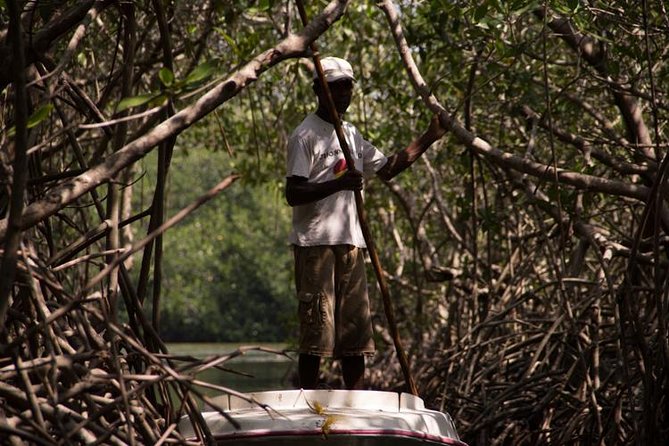
- Canoe through mangrove tunnels gives you a low-noise way to see roots overhead and spot local birds
- Two lagoons with different conservation stories (Ciénaga de la Virgen and Ciénaga de Juan Polo) keep it from feeling repetitive
- Local fishing culture on the water means you may get to try net fishing, and crabbing can be part of the fun when conditions allow
From Cartagena pickup to quiet mangrove water
If your Cartagena days feel mostly about old streets and hot afternoons, this is a smart reset. The tour starts with hotel pickup and drop-off in Cartagena’s Centro Histórico area, then you ride out with a guide who sets context for what you’re about to see. That intro matters because mangroves can look like scenery unless someone explains how the community uses and protects them.
The ride itself is comfortable, and the timing is built for a smooth start to your day. You’re not left figuring out logistics or meeting points; the plan is designed so you show up, get oriented, and head straight for the water.
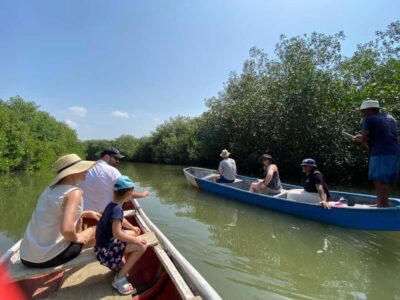
And then, once you arrive at La Boquilla and step into the canoe portion of the trip, the pace shifts. Instead of walking in crowds, you’re gliding through protected channels where the point is to stay calm enough to notice details like birds around the roots.
Glide through more La Boquilla mangroves and birdlife near Cartagena
The canoe focus: what makes the mangrove tunnels special
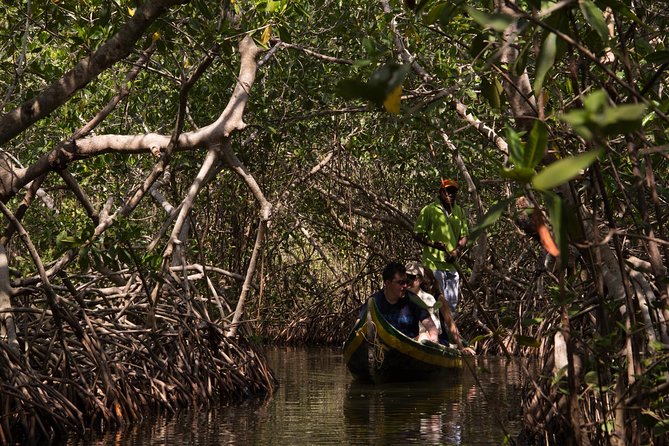
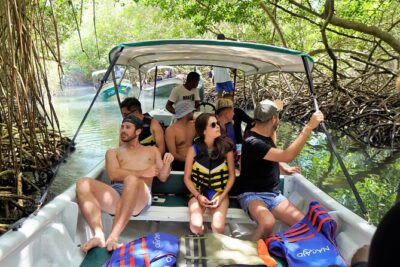
This experience is not a long sightseeing drive followed by a quick photo stop. The canoe is the star: you paddle through mangrove tunnels and peaceful waterways, where root structures form living arches overhead. That’s the kind of scene you can’t recreate well from a sidewalk.
A big part of the magic is that mangroves aren’t just pretty—they’re working habitat. The tour includes an ecosystem education session that ties directly to local livelihoods, so you understand why fish and birdlife show up where they do, and why the community cares about keeping the waters healthy.
You’ll also get real time with the environment. The schedule gives you focused canoe blocks in two areas, instead of one rushed stretch. That’s a practical way to see more without making the day feel like a grind.
Ciénaga de la Virgen: where conservation meets living arches
The first main water stop is Ciénaga de la Virgen, where you paddle through natural tunnels and quiet waterways. This is where the living root arches come into play overhead, and the environment feels sheltered compared with open sea.
The education component is built in here. You’ll learn how the community came together to clean and protect these waters, and how that work supported both nature and culture. In other words, the tour isn’t only about pointing at wildlife—it explains the reason people organized and what changed afterward.
In this section, keep your eyes up and forward. The ecosystem here is described as home to birds like egrets, herons, and pelicans, plus fish species important to the region’s livelihoods. If you enjoy wildlife spotting, this portion is the most straightforward: you’re surrounded by the same setting the birds and fish depend on.
Ciénaga de Juan Polo: a second lagoon, a different story
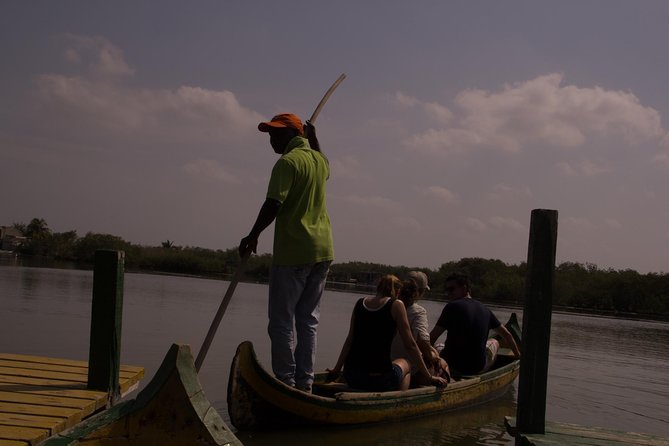
Next you move to Ciénaga de Juan Polo, a lagoon area where conservation efforts helped bring native fish species back. You also get an overview of birdlife in the wetland and how this wetland supports both biodiversity and the village’s identity.
This stop works well if you like variety. Mangroves can all start to look similar if a tour only hits one bay or one channel. Here, you get two different water areas with different emphasis—first the cleaned and protected mangroves, then the lagoon recovery story—so the day feels like progression rather than repetition.
The time block is also useful: you’re in the water long enough to notice changes in mood and scenery, but the day stays balanced so you’re not exhausted by the time you reach La Boquilla’s village canoe segment.
Playas de la Boquilla: meeting local guides on their home water
After the lagoons, you reach Playas de la Boquilla, a fishing village where Afro-Colombian culture plays a central role. This part is where the tour becomes more than nature viewing. You meet local guides and community leaders who turn environmental recovery into a community success story.
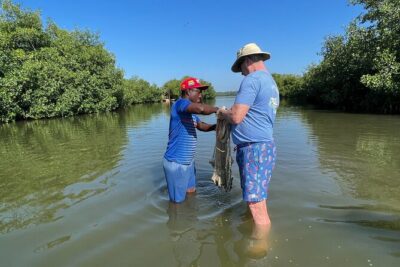
Then comes the traditional canoe portion led with local fishermen. This is the most immersive stretch because you’re not only watching the ecosystem—you’re learning through daily work patterns and local knowledge.
One reason people love this segment is that it often feels hands-on. On some days, you may get to participate in fishing activities like using nets, and crabbing can appear as part of the experience. If that’s available on your date, you can end up with a memorable moment: crab prepared and cooked for you at the end of the tour. The exact details can depend on conditions, but the emphasis on local food and fishing culture is consistent.
Also, don’t treat this as a museum talk. The guides here are focused on showing you how the community sees the water, not just giving a lecture. You’ll leave with a better sense of why the mangroves matter to daily life in La Boquilla.


Price and value: is $159 a good deal?
At $159 per person for about 3 hours, this is priced in the mid-range for Cartagena nature tours. The value comes from what you’re getting for that price, not from the label.
You get:
- Roundtrip transportation with hotel pickup and drop-off
- An expert bilingual guide (Spanish/English)
- Canoe time led with local fishermen
- A welcome drink (coconut water or bottled water)
- Environmental and cultural education
You’re also in a small group (maximum 8 travelers), which makes a real difference on a canoe tour. Smaller groups help you keep the experience personal and make it easier for local fishermen to explain what you’re seeing.
If you were to try to piece together transport, a bilingual guide, and a canoe outing on your own, the cost would likely climb fast. This price is best viewed as a bundle: you pay for a coordinated day where the “work” of organizing the experience is handled for you.
Logistics that help: timing, comfort, and what to pack
This is a rain or shine experience. That’s good news for planning, but it also means you should pack like you’ll be on the water.
I’d bring:
- Sun protection and a hat
- Comfortable clothing that can get damp
- Shoes suitable for water adventures
- Anything you want to keep dry (a small waterproof bag can help if you have one)
Because you’re paddling through mangrove waterways, you’re not looking for dressy outfits. The best approach is practical: wear something you’ll be okay with getting wet and staying comfortable in humid heat.
You should also be ready for a day where the schedule is efficient. Your time is measured in short, meaningful segments: pickup and introduction in Centro Histórico, canoe time in Ciénaga de la Virgen and Ciénaga de Juan Polo, then the longer La Boquilla canoe segment and return ride.
Guides, pace, and the human side of the day
A canoe tour lives and dies on the guide. Here, the bilingual format matters, because it keeps you from missing the points that connect the mangroves to livelihoods and community conservation.
In the day-to-day experience, you might meet guides like Javier, who tends to keep things friendly and flexible, and you’ll often interact with fishermen such as Luis, whose role can turn into part storytelling, part instruction on the water. That human element is why the tour tends to feel warm rather than purely instructional.
Also, the group limit keeps the pace from feeling rushed. You’re not constantly waiting for strangers to catch up, which makes a difference when you’re trying to listen for bird sightings and watch how people handle the canoe.
Should you book this mangrove tunnel canoe tour?
Book it if you want a break from the city heat and crowds and you like nature you can actually access by canoe, not just see from a bridge. This tour fits well if you care about how conservation shows up in real community life, because it’s built around both ecosystem education and local fishing culture.
Don’t book it if you hate being in the water, dislike getting splashed, or you want a mostly dry, low-activity sightseeing day. Since it’s rain or shine, you should be comfortable adapting to weather.
FAQ
FAQ
How long is the La Boquilla mangrove tunnels tour?
The tour runs about 3 hours (approx.).
Is this tour suitable for most people?
Most travelers can participate.
What’s included in the price?
Roundtrip transportation with hotel pickup and drop-off, an expert bilingual guide (Spanish/English), the guided canoe tour with local fishermen, a welcome drink (coconut water or bottled water), and an environmental and cultural education session.
Do I need to pay extra for admission tickets during the stops?
Admission tickets are included for some parts of the experience, while others are listed as free. Additional drinks are not included.
What should I bring for the day?
Since it’s rain or shine, bring sun protection, a hat, and comfortable clothing and shoes suitable for water adventures.
Can I cancel and get a refund?
Yes. You can cancel for a full refund up to 24 hours before the experience’s start time. Cancellation less than 24 hours before start time is not refunded.
More La Boquilla Mangrove and Birding Trips
More Tour Reviews in Cartagena
Not quite it? Here is more to do around Cartagena, freshly reviewed



La Boquilla Mangroves & Birdwatching, compared.
 ★ 4.8Mangrove Eco Tour & Fishing with TransportationFrom $55185 reviews
 ★ 3.7Full Day Barú island: Mangrove +Snorkel + Sunset + PlanktonFrom $69139 reviews
 ★ 3.8Snorkel, Mangroves and Playa Blanca Tour132 reviews
 ★ 4.0Adventure full day Isla Barú + Mangroves + Snorkel + bioluminescent planktonFrom $6595 reviews
 ★ 4.5Magical Full-Day Tour Through The Mangroves And The Beach In Isla de BarúFrom $4590 reviews
 ★ 5.0Cartagena Fishing & Crabbing • Unique Local Experience with LunchFrom $8990 reviews
 ★ 4.8Typical lunch on beach, mangrove tour & fishing with nativesFrom $8479 reviews
 ★ 4.9Rosario Island and Mangroves Private Day TripFrom $24473 reviews
Browse the lists this tour appears in