
Reviewed · WALLED CITY & OLD TOWN WALKS
Shared Old Cartagena & Getsemani Tour with Wireless System
Cartagena feels alive in two guided hours. This shared tour strings together the Walled City and Getsemaní, so you see the landmarks and hear the stories right where they happened, with a wireless audio system that keeps your guide’s voice clear. The route moves from colonial plazas to Afro-Caribbean street life, with stops that explain symbols in architecture and the push-pull of conquest and resilience.
Two things I’d put near the top: the Clock Tower entrance that anchors your first big sense of place, and the Getsemaní focus on Plaza de la Trinidad and street art that shows identity, not just pretty walls.
One thing to consider: it’s a long, mostly walking-style experience, about 8 km, and it may feel like a lot in the midday heat if you’re not used to city walking.
In This Review
- Key highlights worth knowing before you go
- Old Cartagena to Getsemaní: how this route tells one story
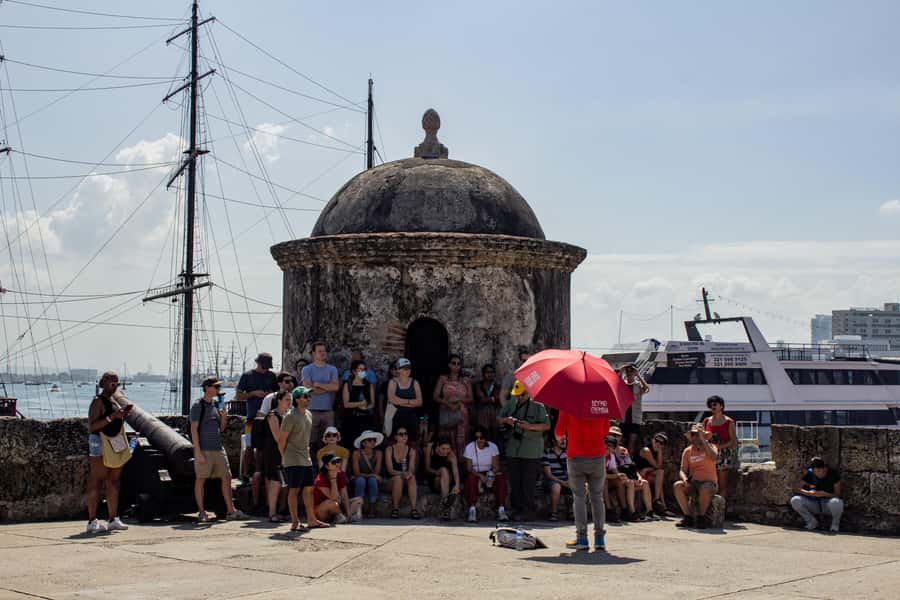
- Meeting at Plaza de Santo Domingo (and finding your red umbrella)
- Plaza de la Proclamación and Plaza de Bolívar: symbols you can actually spot
- Santuario de San Pedro Claver: religion in the middle of daily life
- Plaza de la Aduana and Plaza de Los Coches: power, trade, and movement
- Clock Tower Monument: the Walled City entrance you’ll remember
- Walking the city walls: Santo Domingo bastion views and pirate-era stories
- Camellón de los Mártires and Parque Centenario: shifting from monuments to neighborhood pace
- Calle de la Magdalena and Calle del Guerrero: the kind of streets that make the stories believable
- Holy Trinity Square and the move into Getsemaní: the neighborhood’s social center
- Plaza de la Trinidad and Calle de la Sierpe: murals that mean something
- Callejón Ancho and the finish near Av. Pedregal: closing the loop
- Price and value: why $13 feels fair for a guided, audio-supported walk
- Who this tour suits best (and who should skip it)
- Small rules that make a big difference: recording, photos, and what to bring
- Should you book this tour?
- FAQ
- How long is the tour?
- Where is the meeting point?
- What’s included in the price?
- Do I need to buy tickets or pay extra entrance fees?
- Is food or drinks included?
- What languages are available?
- How much walking should I expect?
- What should I bring?
- Are kids allowed?
- Is recording allowed during the tour?
Key highlights worth knowing before you go
- Wireless audio receivers so you can hear the guide in crowded plazas and lively streets
- Clock Tower Monument as the iconic Walled City gateway
- City walls from the Santo Domingo area with wide, practical photo views
- Plaza de la Trinidad in Getsemaní for the neighborhood’s social heartbeat
- Getsemaní street art (including the Calle de la Sierpe murals) tied to culture and identity
- Guide Beyond (and other named guides like Louis Carlos) lead the storytelling in Spanish or English
Old Cartagena to Getsemaní: how this route tells one story
Cartagena is not only postcard-perfect. It’s also complicated: layers of Spanish colonial power, pirate-era conflict, religious authority, and the everyday Afro-Caribbean life that kept going even when empires tried to rewrite the rules. This tour is built for that exact feeling.
You start in the UNESCO-listed historic center and work your way outward into Getsemaní, which locals describe as the heart of the people. The best part is that the tour doesn’t treat the neighborhoods like separate theme parks. Instead, it ties them together with stories about defense, symbolism, and community life—so by the time you hit the murals and social plazas, you understand why they matter.
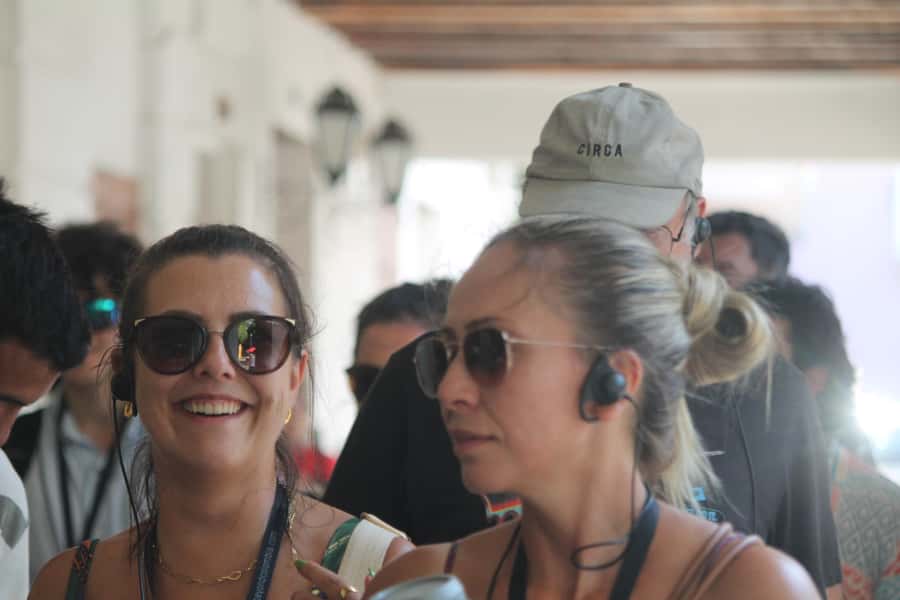
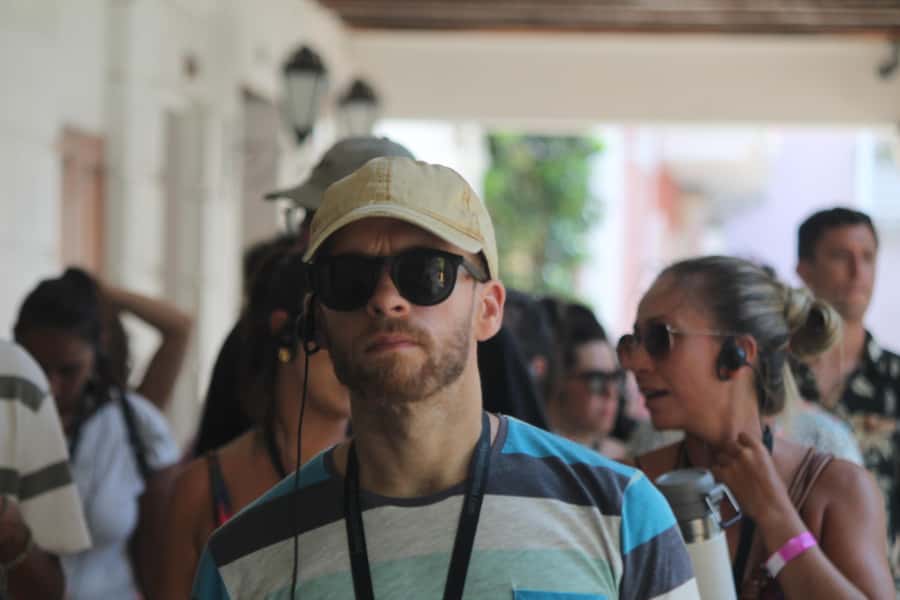
And because it’s a shared tour, you’ll meet other people along the way, but the design still keeps things personal through the wireless audio system. That matters here, since the streets can get noisy and busy.
We have more walks through the walled city and old town of Cartagena
Meeting at Plaza de Santo Domingo (and finding your red umbrella)
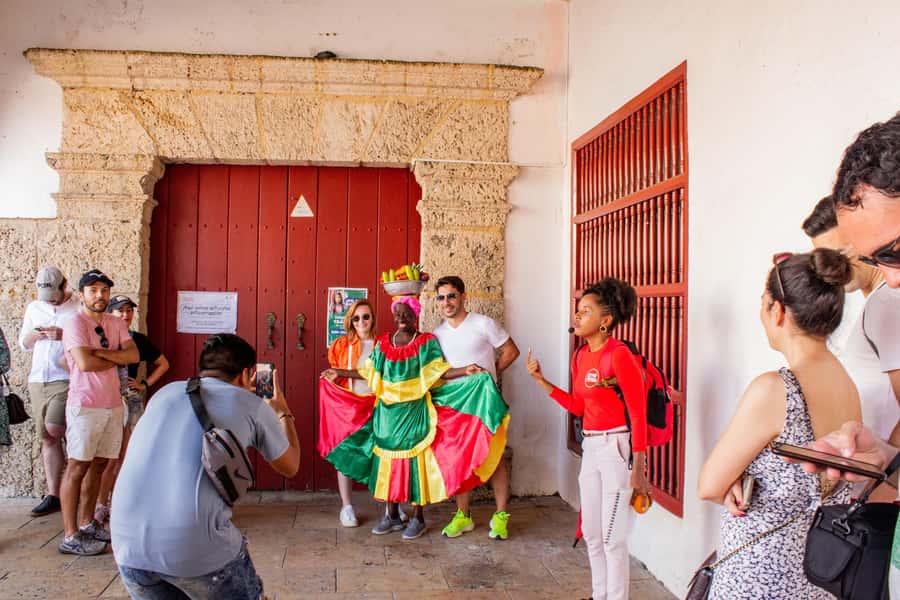
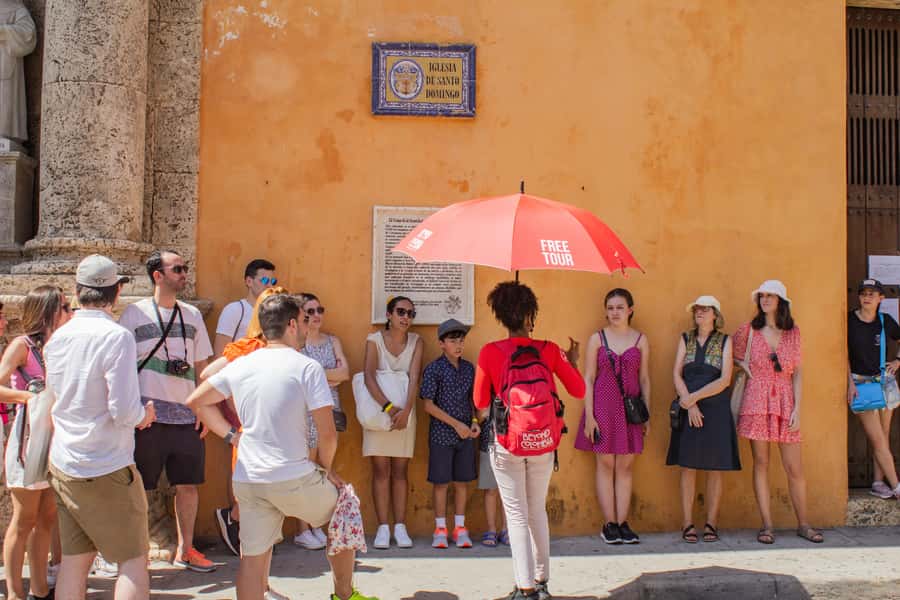
Your starting point is Plaza de Santo Domingo, near Botero’s sculpture Gertrudis. The tour team uses red umbrellas and you’ll be looking for Beyond Colombia.
Arrive about 5 minutes early. That short buffer helps because you’ll pick up the wireless audio receiver, test it quickly, and get oriented before you’re walking into the first cluster of sights.
Practical tip: bring your water early in the route. The tour lasts about 2 hours and covers around 8 km, so the easiest way to enjoy it is to avoid getting behind on hydration.
Plaza de la Proclamación and Plaza de Bolívar: symbols you can actually spot
Right away, you’re in the rhythm of colonial governance and civic life. The tour guides you through Plaza de la Proclamación and then Plaza de Bolívar.
What makes these stops useful is that you don’t just pass them—you learn what to notice. You’ll get explanations tied to the real characters and events behind Cartagena’s public squares. That means when you later see church façades, arches, and carved details, you’ll have a mental checklist: What is this place communicating? Who built it, and what were they trying to control or protect?
If you like tours where you go home with a mental map (not just photos), these plazas do a good job of setting that up.
Santuario de San Pedro Claver: religion in the middle of daily life
Next comes Santuario de San Pedro Claver. You’ll spend time listening to the guide’s perspective on what this religious site represents in the broader Cartagena story.
Why I like this stop: it reminds you that history here isn’t only about battles and walls. It’s also about the institutions that shaped people’s lives—spiritually and socially—during centuries of colonial rule. A plaza and a church can look similar across Latin America, but the meaning changes fast when the guide connects it to the local narrative.
This is also a good moment to slow down and reset your attention. Even if you’re already walking hard, churches and sanctuaries tend to make the group atmosphere calmer.
Plaza de la Aduana and Plaza de Los Coches: power, trade, and movement
The tour then threads through Plaza de la Aduana and Plaza de Los Coches. These areas connect to commerce and the way people and goods flowed through the city.
Here’s what to look for while you’re listening: entrances, routes, and the way plazas act like stages. This kind of place-reading helps you understand why the Walled City was designed the way it was. It wasn’t only for looks or defense in the abstract; it was for controlling movement—of ships, people, and money.
Photo tip: take a few shots with your camera ready, but keep your head up. In these plazas, the best compositions usually show both the architecture and the open space that makes the story feel real.
There is more Getsemani street art and graffiti to wander in Cartagena

Clock Tower Monument: the Walled City entrance you’ll remember
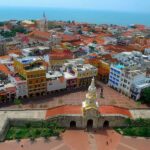
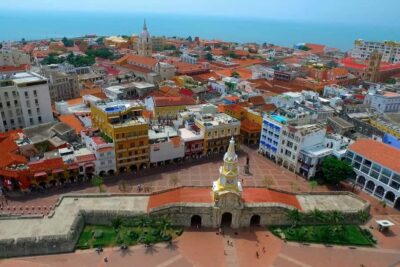
Then you hit one of the most iconic moments: the Clock Tower Monument. This is the classic gateway feel—the kind of entrance that makes you stop without being told to.
The guide frames it as more than a landmark. You’ll hear it tied to Cartagena’s defensive logic and to the way the city communicated authority. Even if you’ve seen images before, standing here with the explanation in your ear makes it more than a quick picture stop.
This is also a good point to check your audio volume before you continue deeper. It’s easy to get comfortable, then suddenly you’re in a louder stretch later.
Walking the city walls: Santo Domingo bastion views and pirate-era stories
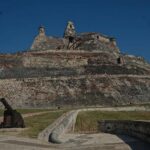
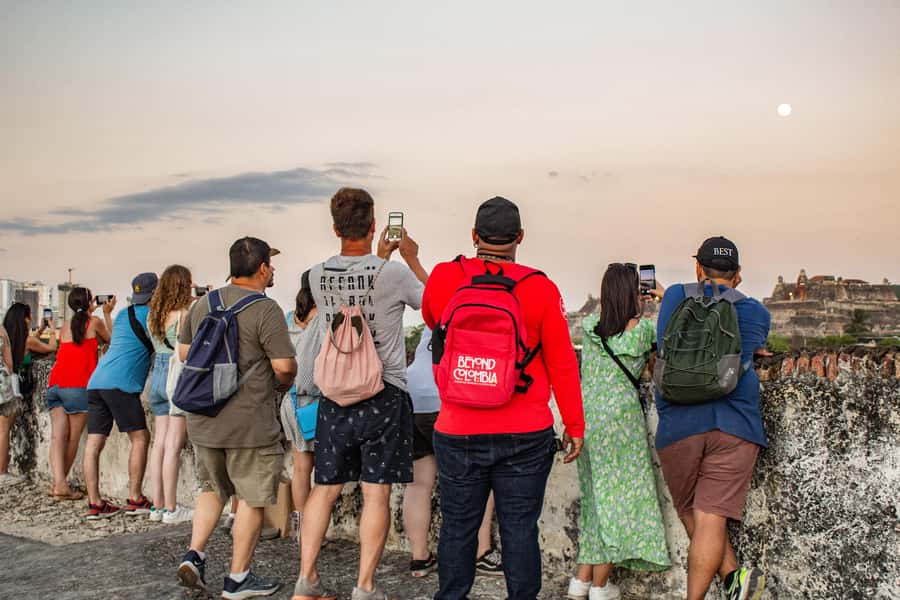
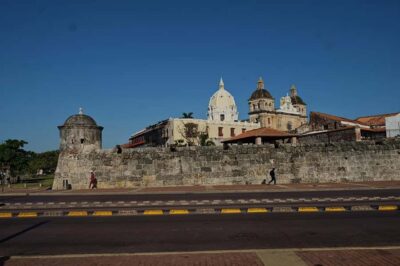
The tour includes time for panoramic views from the city walls, associated with the Santo Domingo bastion area. This is where the city opens up visually, and the guide’s stories land better because you can see what they’re talking about.
What you’re getting:
- Wide views over Cartagena’s older streets and rooftops
- A clearer sense of how defense and observation worked
- Stories tied to pirate-era conflict and the city’s responses
The walls are also practical for photos. If you’re aiming for that postcard angle, this is one of the best moments of the whole tour—because you’re high enough to show the city’s geometry.
Camellón de los Mártires and Parque Centenario: shifting from monuments to neighborhood pace
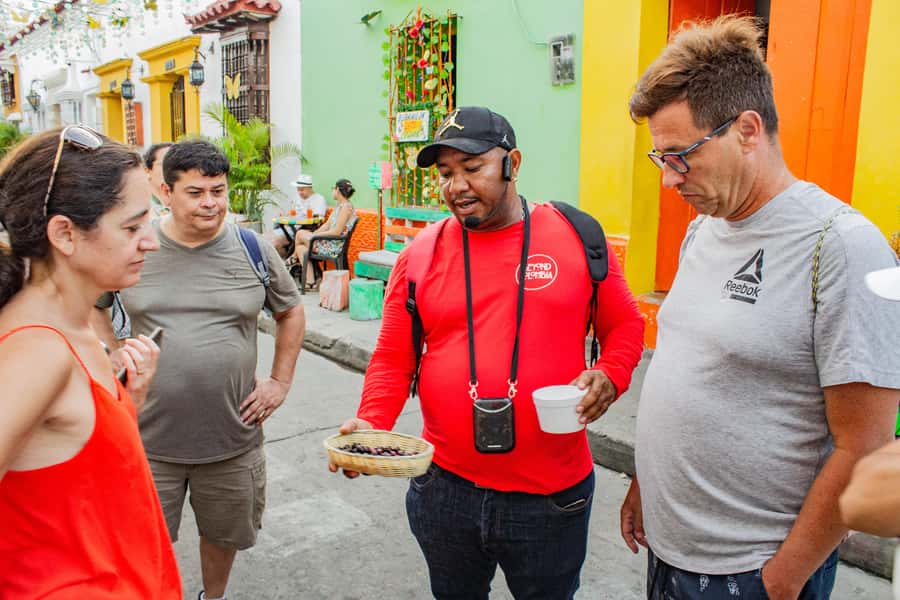
After the Walled City intensity, the tour moves into a different tempo with stops like Camellón de los Mártires and Parque Centenario.
This part matters because it helps you transition from “tourist Cartagena” into the streets where people live their day. The guide keeps the narrative moving, but the setting starts to feel less like a stage set and more like an actual working city.
Don’t treat these as quick filler stops. They help you understand how Cartagena’s center changes as you travel outward.
Calle de la Magdalena and Calle del Guerrero: the kind of streets that make the stories believable
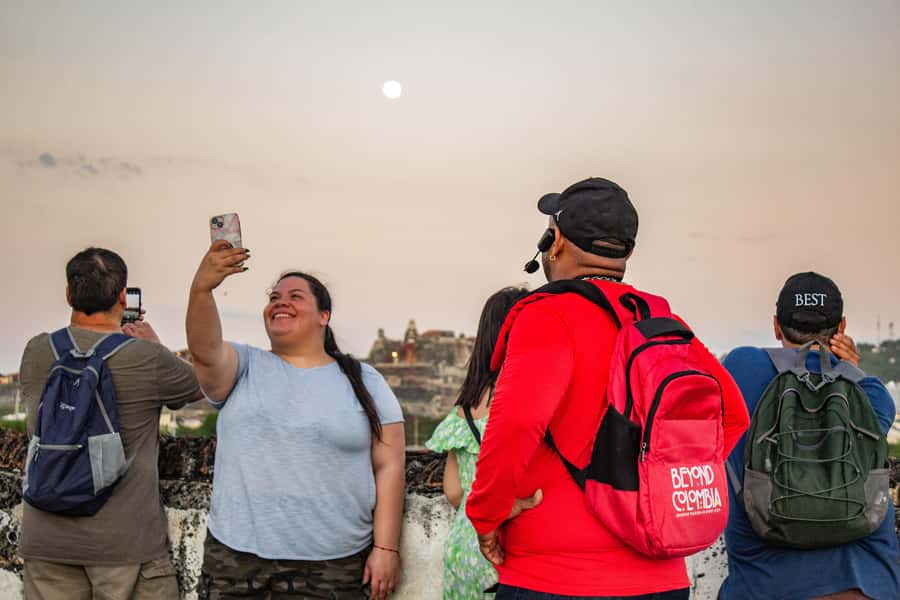
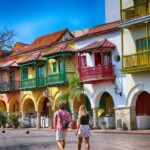
Then you head through street-focused segments like Calle de la Magdalena and Calle del Guerrero.
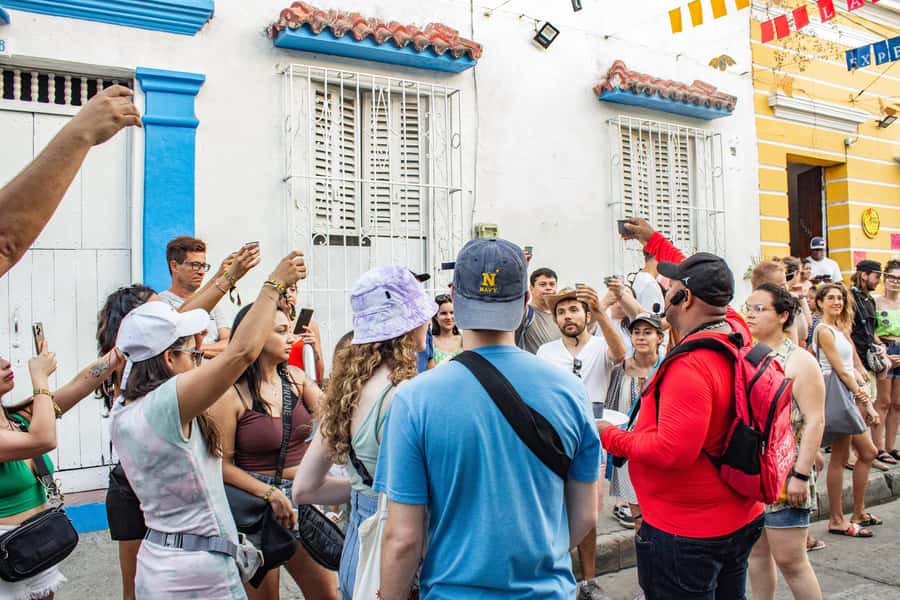
This is the part of the tour where the wireless system earns its keep. You’re on narrower streets, and it’s easy to get blocked by crowds or distracted by storefronts. When your guide’s voice stays clear, you can follow the thread without needing to constantly turn around.
Look for architectural details while you listen. When you connect street patterns to plazas and walls, Cartagena stops feeling like random sights and starts feeling like an organized narrative—one built by people with very different priorities.
Holy Trinity Square and the move into Getsemaní: the neighborhood’s social center
Now you’re in Getsemaní, and the atmosphere changes. The tour focuses on Holy Trinity Square and the surrounding energy that locals identify as the social and historic heart.
This isn’t just a change of scenery. It’s a shift in the story you’re hearing:
- From fortifications and colonial symbols
- Toward community life, Afro-Caribbean rhythm, cultural identity, and local pride
The guide also ties in ideas of resilience and everyday life. That’s the difference between seeing Getsemaní as a “cool place to walk” and understanding why the neighborhood earns its reputation.
If you like tours with cultural context—why people celebrate, how communities hold on to identity—this section is the emotional center of the whole experience.
Plaza de la Trinidad and Calle de la Sierpe: murals that mean something
Two of the tour’s biggest visual hits are Plaza de la Trinidad and the Getsemaní street art, including murals along Calle de la Sierpe.
Here’s what makes these stops valuable: the tour doesn’t treat street art as decoration. It presents it as cultural expression—resistance, pride, dreams, and identity written on walls.
Plaza de la Trinidad is particularly satisfying because it gives you both the art and the street-life context. You see where people gather, how the neighborhood breathes, and how art fits into real daily rhythms.
If you’re a photographer, this is where your camera will likely work hardest. Just remember the tour rules: no video recording or audio recording, so plan photos quickly and keep your hands free.
Callejón Ancho and the finish near Av. Pedregal: closing the loop
The walk continues with Callejón Ancho, then finishes near Av. Pedregal #27-137 (Getsemaní).
By the time you reach the end point, you’ll have linked:
- Walled entrances (Clock Tower, walls)
- Civic squares (Bolívar, Santo Domingo area, etc.)
- Neighborhood life and expression (Getsemaní plazas and murals)
That matters because Cartagena is easy to overshoot if you only follow the obvious sights. This route helps you avoid the all-pictures, no-meaning trap.
Price and value: why $13 feels fair for a guided, audio-supported walk
At $13 per person for roughly 2 hours, this tour is priced like a value-forward introduction, not a luxury add-on. You get:
- A certified guide (Beyond)
- A wireless audio system
- Stops across both the Walled City and Getsemaní
- Local partner recommendations plus potential discounts after the tour (you receive a wristband at the end)
Also, it’s set up so you’re not hit with ticket surprises. The tour notes that it won’t take you into places where sudden extra charges apply.
Is it perfect value? It depends on your tolerance for walking. At about 8 km, you’ll want good shoes and a hydration plan. If you’re comfortable doing city walking for two hours, the price-to-content ratio is strong.
Who this tour suits best (and who should skip it)
This tour is ideal if you want more than quick sightseeing and you like explanations that connect architecture, plazas, and neighborhood culture.
It’s especially a good fit for:
- People who enjoy culture with context
- First-timers who want to cover both the Walled City and Getsemaní in one go
- Anyone who appreciates clear audio in busy streets
It may not be the best choice if:
- You need minimal walking
- You’re sensitive to crowds and noise (the audio helps, but it’s still a lively urban route)
Also, it’s explicitly not suitable for children under 6 and people over 65. So if you’re in either group, it’s worth looking for an alternative style of tour.
Small rules that make a big difference: recording, photos, and what to bring
A few practical items can make or break your experience.
Bring:
- Comfortable shoes
- Comfortable clothes
- Water or your preferred hydration
Note the tour restrictions:
- No video recording
- No audio recording
That’s not just a compliance thing. It’s how the tour stays focused and keeps everyone moving at the same pace. If you’re bringing a phone, use it for photos and quick check-ins, not for recording.
And keep your stuff close. The route includes some crowded areas, so don’t give anyone an easy chance.
Should you book this tour?
Book it if you want a meaning-focused walking route that links Cartagena’s iconic landmarks to the lived culture of Getsemaní. The wireless audio is a real quality upgrade in a city where guides can get swallowed by noise, and the mix of walls, plazas, and murals gives you both viewpoint and understanding.
Skip it (or look for another option) if 8 km of walking sounds exhausting, or if you’re looking for a relaxed, low-footprint experience. For everyone else—especially first-timers—this one is a solid way to get your bearings and learn how Cartagena’s past shows up in the present.
FAQ
How long is the tour?
The tour lasts about 2 hours.
Where is the meeting point?
You meet at Plaza de Santo Domingo, next to Botero’s sculpture Gertrudis, with the tour team’s red umbrellas.
What’s included in the price?
It includes a certified tour guide, sightseeing of essential places in both the Walled City and Getsemaní, local recommendations with partner discounts via a wristband, and a wireless audio system.
Do I need to buy tickets or pay extra entrance fees?
No. The tour states it will not take you into places where sudden extra charges apply.
Is food or drinks included?
No. Drinks, food, and souvenirs are not included.
What languages are available?
The live guide and audio support are available in Spanish and English.
How much walking should I expect?
You’ll walk about 8 km, with some resting stops.
What should I bring?
Bring comfortable shoes, comfortable clothes, and water or your preferred hydration.
Are kids allowed?
The tour is not suitable for children under 6 years.
Is recording allowed during the tour?
No. Video recording and audio recording are not allowed.
More Walled City and Old Town Walks in Cartagena
More Tour Reviews in Cartagena



Not quite it? Here is more to do around Cartagena, freshly reviewed





Walled City & Old Town Walks, compared.
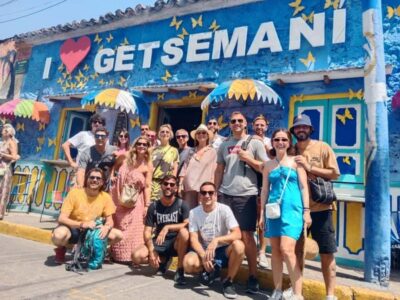 ★ 4.9Historic Center and Getsemaní Shared Walking TourFrom $122,716 reviews
 ★ 3.9City Sightseeing Hop-On Hop-Off Bus Tour & ExtrasFrom $23681 reviews
 ★ 4.0Panoramic City Tour, Monuments, Walls, CastleFrom $15636 reviews
 ★ 4.2BILINGUAL CITYTOUR + SAN FELIPE CASTLE & Old cityFrom $29387 reviews
 ★ 4.5Walled City and Getsemani Shared Walking TourFrom $16352 reviews
 ★ 4.0City Tour Hop On Hop Off – Bus Turistico de 2 pisos147 reviews
 ★ 5.0Shore Excursion PRIVATE City tourFrom $163121 reviews
 ★ 4.8Walled City & Getsemani Private TourFrom $69107 reviews
Browse the lists this tour appears in