
Reviewed · COFFEE, RUM & CHOCOLATE TASTINGS
Bean to Bar: Cocoa and Chocolate Workshop
Chocolate has a backstage pass. This bean-to-bar workshop in Bolívar walks you from cacao bean to finished chocolate while you make your own treats.
I love how hands-on it is: you get guided practice with real chocolaterie machinery and you do the shaping, assembling, and finishing. I also like that it is not just tasting. You learn why cocoa variety and processing steps matter, and you apply that knowledge as you create.
One possible drawback: it is not suitable for people with food allergies, and the experience does involve tasting multiple chocolate types and percentages. If you have any allergy risk, you’ll want to skip this class.
In This Review
- Key things to know before you go
- Bean-to-Bar Basics in Bolívar: what the 105 minutes really covers
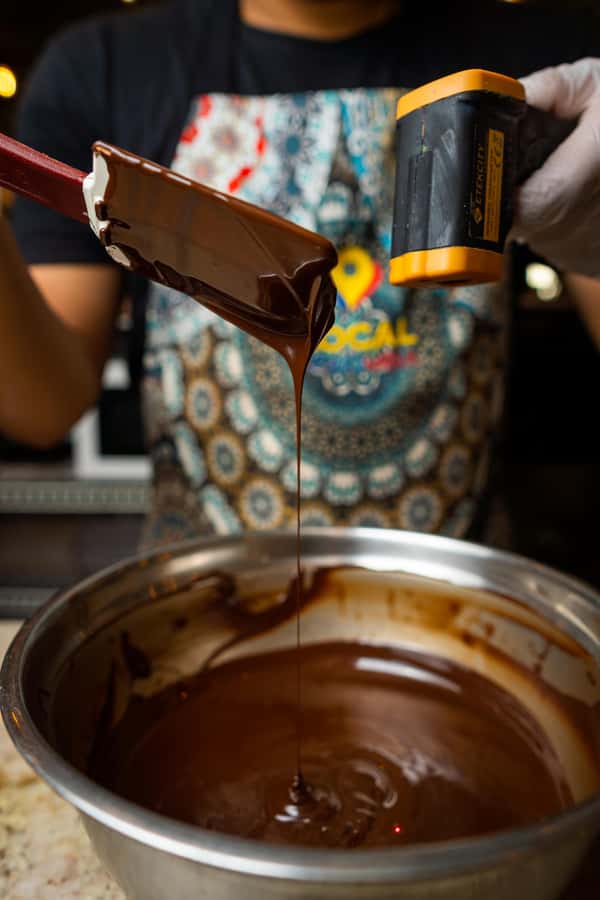
- Inside the chocolaterie: machinery, cacao flow, and why it changes flavor
- Roasting, separating, and the science you can actually taste
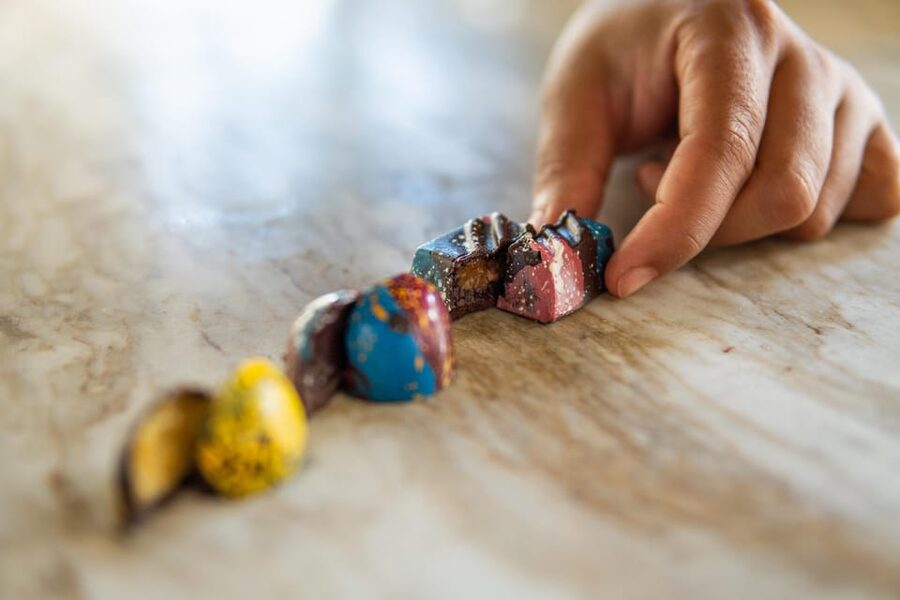
- Make your own bonbons, truffles, or bars
- The tasting lineup: white 40%, milk 46%, dark 80%, and 100% cocoa
- The guide energy: learning with Alejandra’s passion
- Price and value: is $101 worth 105 minutes?
- Who this workshop is best for (and who should skip it)
- Should you book this bean-to-bar workshop in Bolívar?
- FAQ
- How long is the Bean to Bar workshop in Bolívar?
- Where do I meet for the workshop?
- Is this a private class or a group tour?
- What languages are offered?
- What can I make during the workshop?
- What chocolate types are included for tasting?
- Is it safe if I have food allergies?
Key things to know before you go
- Bean-to-bar focus: You see cacao going through roasting and separation, not just packaged chocolate.
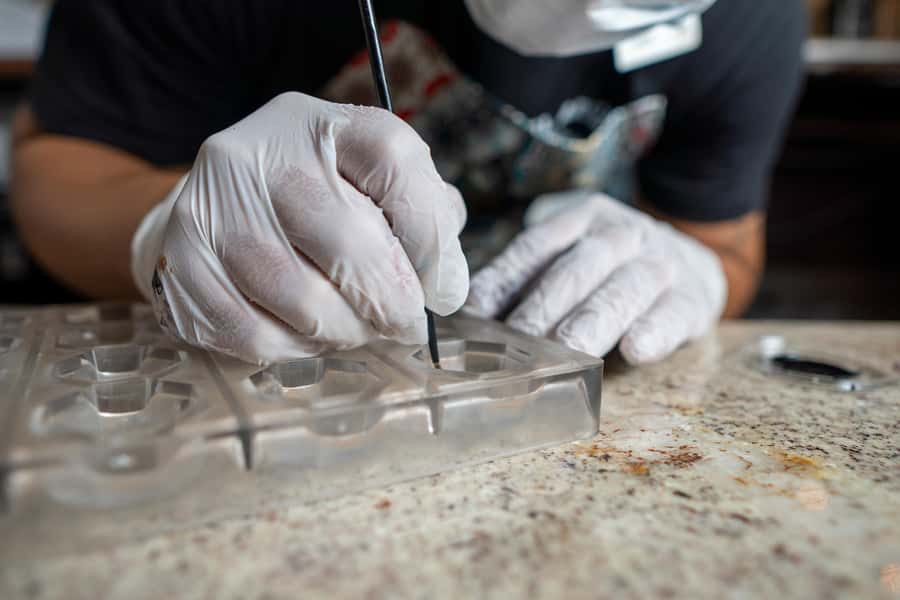
- Hands-on chocolate making: Make bonbons, truffles, or chocolate bars with artisan guidance.
- Lots of chocolate to compare: White 40%, dark 80%, milk 46%, and 100% pure cocoa, plus blends.
- Art + equipment: You get access to a fully equipped chocolaterie and its machinery.
- Bilingual instruction: English or Spanish with an instructor who keeps the explanations clear.
- Private group feel: The class can run like a private session, which helps questions and pacing.
Bean-to-Bar Basics in Bolívar: what the 105 minutes really covers
A bean-to-bar workshop is one of those experiences that sounds simple until you see the steps. In just 105 minutes, you go through the core logic of turning cacao beans into chocolate you can hold, taste, and share.
The timing matters because it keeps you moving from theory to action. You start with the working space: a fully equipped chocolaterie with state-of-the-art machinery and artisans on hand. Then you build understanding with process highlights like roasting and separation. After that, you shift gears to your own creations.
Think of it as two tracks running side by side. One track is about craft: how texture, flavor, and aroma develop. The other track is about creativity: you use what you learned to make a treat that fits your taste.
The class is listed as private group, which usually means you get more attention than you would in a big crowd. If you like asking questions and getting real answers, that helps a lot.
More coffee, rum and chocolate to sip your way through in Cartagena

Inside the chocolaterie: machinery, cacao flow, and why it changes flavor
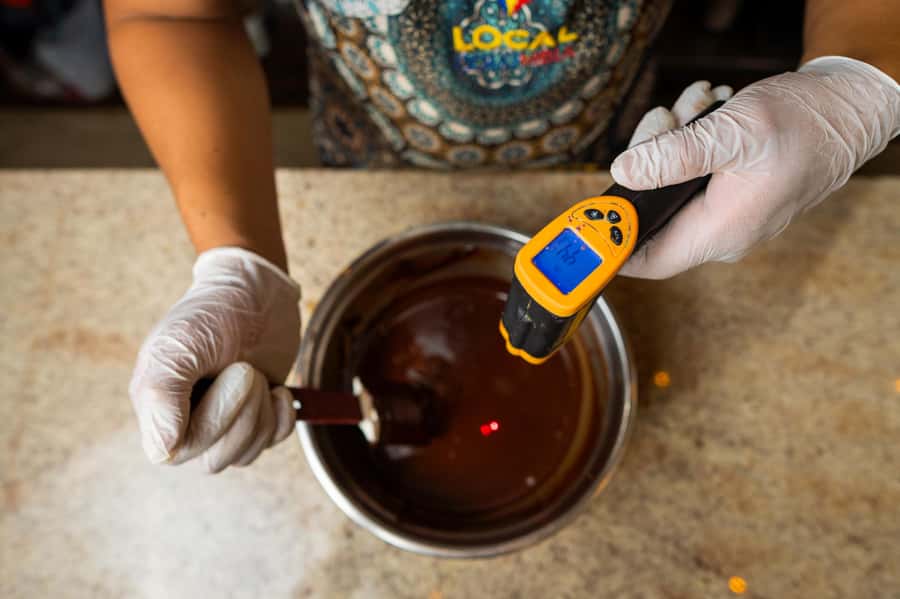
The first thing you notice is the workspace itself. You are not watching chocolate get made from behind a glass wall. You’re in the kind of setting where tools do the heavy lifting and artisans handle the decisions.
You’ll see production-area equipment and you’ll understand what those machines are for in plain terms. Even if parts of the process are finished ahead of time on certain days, you still get the full picture: how cacao moves from raw bean to roasted material and then into chocolate preparation.
This matters for your chocolate brain. When you know that roasting isn’t just heat, you start tasting more deliberately. When you hear about separation, you understand why the end product can swing from mellow to bold.
It also helps you appreciate Colombian cacao at a national level. The experience includes discussion of different cacao varieties and what they mean for the final chocolate. That’s the kind of context that makes your later comparisons way more accurate.
If you’re the type who only buys chocolate by the percentage label, you’ll still get the label. But you’ll also learn what sits behind it, which is usually what you wanted to know in the first place.
Roasting, separating, and the science you can actually taste
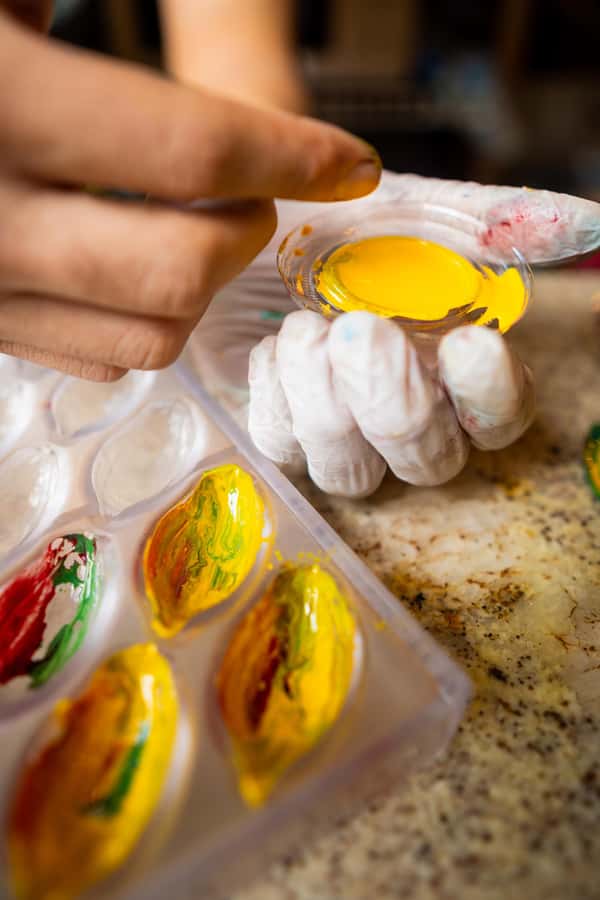
Roasting and separation are the backbone steps in the story. They are mentioned as key parts of what you’ll witness and learn, and they also explain why cacao can taste wildly different even when you start from something similar.
Roasting is where the aroma starts to lock in. It turns those beans into something that smells like chocolate should smell. Separation is about sorting out the parts and guiding the process toward the right texture and flavor profile.
Here’s the practical payoff: you’ll be better at tasting with intention. You can tell yourself, That bitterness is doing something. That sweetness is balanced by something else. That smoothness has a reason. The workshop trains your palate to link flavor to process.
This is also where questions make sense. If you wonder why one bar tastes stronger than another, or why some chocolates feel creamier, you’re exactly in the right place to ask. The class format is designed for Q&A, and that shows in the way the guide explains things.
And yes, there is a sensory component. Expect strong chocolate aroma in the room, plus the sound and motion of machinery. It’s part of the experience because the craft is physical, not just academic.
Make your own bonbons, truffles, or bars
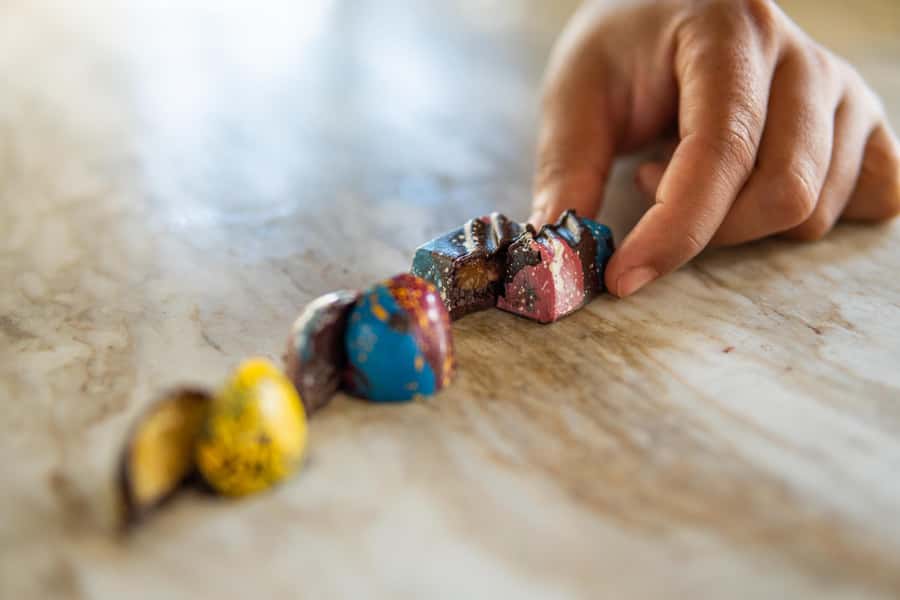
The best moment is the switch from watching to doing. After the process explanations, you don your apron and step into the artisan role.
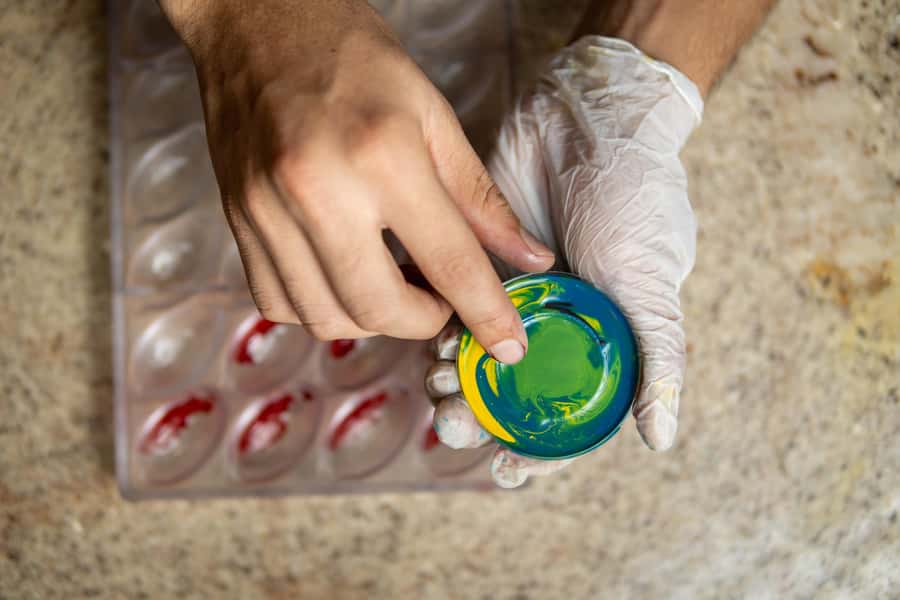
You’ll have the chance to craft chocolates such as bonbons, truffles, or chocolate bars. The exact option can vary by class flow, but the core idea stays the same: you work under skilled guidance and you create something that feels personal.
This is where creativity becomes more than decoration. You learn how the chocolate responds to your choices, whether that’s forming fillings, shaping pieces, or assembling something that sets properly.
You also get a chance to experiment and innovate. The workshop encourages you to use your imagination, whether you’re a total beginner or you already know your way around chocolate-making. Even if you end up making something simple, you’ll understand why it works.
A small tip from how these classes usually run: wear clothing you don’t mind staining. Chocolate is stubborn. Even when you think you’re careful, a tiny drip turns into a memorable souvenir for your shirt.
The tasting lineup: white 40%, milk 46%, dark 80%, and 100% cocoa
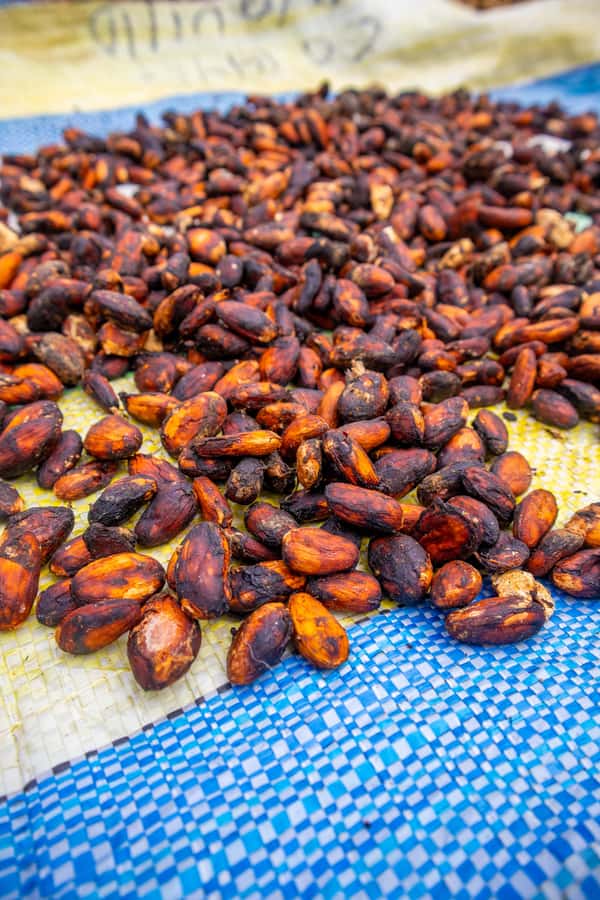
Chocolate workshops can become either educational or fun. This one tries to do both, and the tasting lineup is a big reason why.
You get chocolate of various percentages and origins, including:
- White (40%)
- Dark (80%)
- Milk (46%)
- Pure cocoa (100%)
- Blends
That range is not random. It teaches you to notice how fat, sweetness, cocoa solids, and processing affect the final taste. When you go from white 40% to dark 80% to 100% pure cocoa, you feel the shift in bitterness, intensity, and finish.
If you usually buy chocolate based on a single number, you’ll probably leave with a new habit: tasting by structure as well as percentage. You’ll start asking questions like, Is this creamy because of formulation? Is this bold because of roasting? Why does the aftertaste feel dry or lingering?
Also, tasting chocolates with different origin and percentage helps you separate two ideas that often get mixed up: cacao variety and processing. The workshop ties those ideas together in the explanations, and then the tasting locks them in.
And if you’re traveling with someone who doesn’t care about chocolate science? They’ll still like the part where you make something and then taste it at the end. That part is universal.
More bars and drinking spots to try in Cartagena




The guide energy: learning with Alejandra’s passion
A huge part of a good food class is how someone teaches it. Here, the instruction is described as English and Spanish, and one guide name comes up clearly: Alejandra.
Alejandra is noted for being passionate about the whole chocolate process, from the bean and harvest context to ecology and the hands-on steps. That kind of energy matters because chocolate making isn’t just chemistry. It’s culture, farming, and careful attention.
What you gain from a guide like this is clarity. You’re not stuck with vague talk. You get answers to questions, and you get an explanation of what you’re tasting and why.
You also get the feeling of an authentic local operation. One review notes that access can include the local chocolate production area, even when no one is actively working at that moment. Translation: you’re still seeing the environment where chocolate happens, not just a staged demo.
If you want your visit to feel like a real craft lesson rather than a quick tourist stop, this is the kind of guiding style that makes the difference.
Price and value: is $101 worth 105 minutes?
At $101 per person for 105 minutes, you should judge the value by what you receive, not by the length alone.
You’re paying for several things bundled together:
- Access to a fully equipped chocolaterie
- A guided explanation of bean-to-bar steps like roasting and separation
- Hands-on making (bonbons, truffles, or bars)
- Tasting multiple chocolates across percentages and origins
- Bilingual instruction with a skilled guide
In many places, you pay close to this for either a tasting-only experience or a brief demo. Here, you get both tasting and making, plus you learn what connects the steps.
That combination is the best deal for chocolate lovers who hate spending time on activities that feel like a slideshow. You leave with a stronger understanding of how chocolate is made and with edible results you helped create.
If you’re traveling with limited time, an indoor class is also a practical win. One review specifically calls it a smart option when the weather isn’t cooperating.
Who this workshop is best for (and who should skip it)
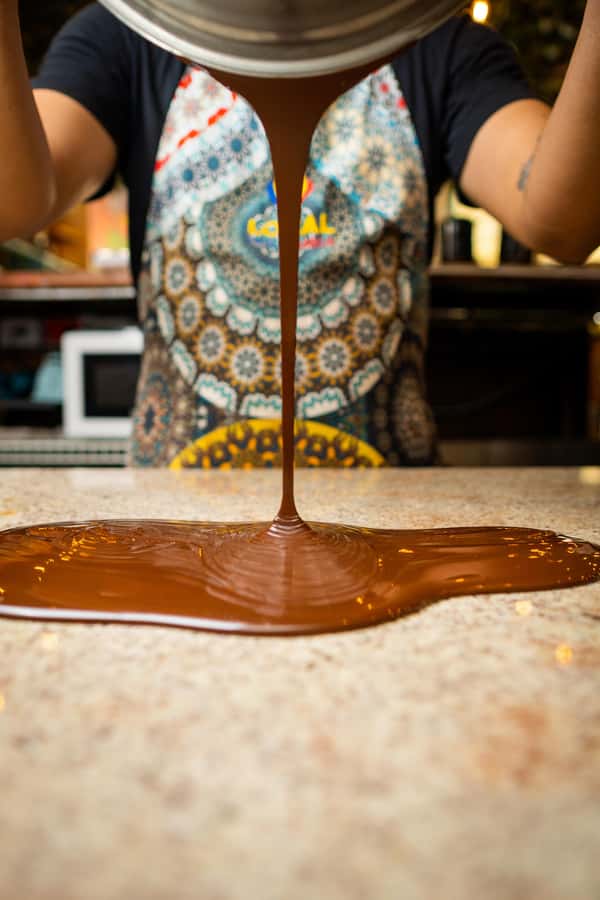
This is a great choice if you fit one of these profiles:
- You like hands-on activities more than passive tours.
- You want to understand how chocolate changes from bean to bar.
- You enjoy tasting flights and comparisons by percentage and type.
- You want an activity that feels local and craft-based, not just generic sightseeing.
It’s also a good pairing with other daytime plans in the Bolívar area because the session is about a little over 1.5 hours. You can fit it without wrecking your schedule.
Who should skip it? If you have food allergies, the workshop is not suitable. Also, if you hate mess and the idea of wearing an apron sounds like stress, you might feel uncomfortable. The clothing advice (comfortable, stain-friendly) is there for a reason.
Finally, keep expectations realistic. You will learn a lot in 105 minutes, but you’re not signing up for a full factory apprenticeship. This is craft education with creation time, designed to be fun and doable.
Should you book this bean-to-bar workshop in Bolívar?
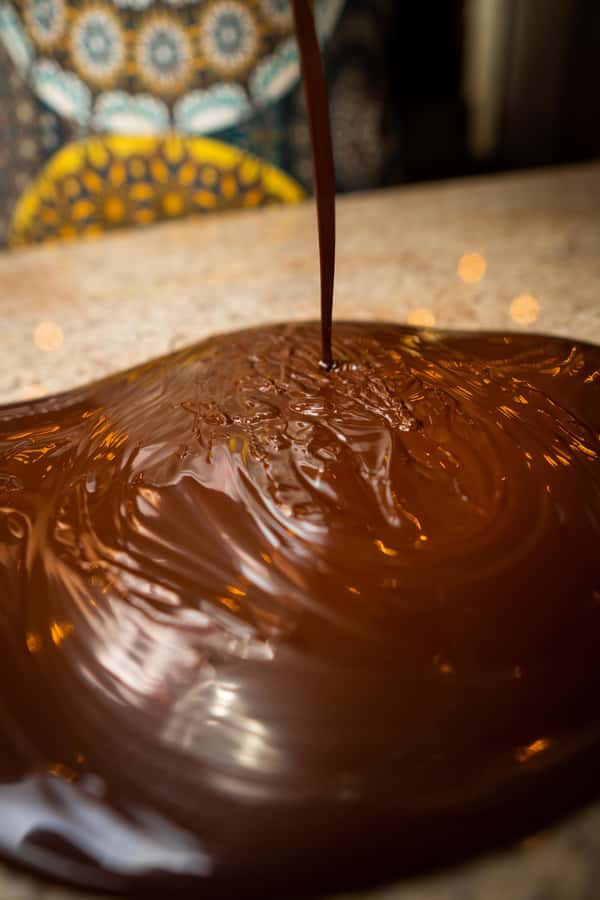
I’d book it if you want a chocolate experience that gives you real takeaways: process knowledge, guided creation, and a tasting range you can use later when you buy chocolate.
Book it especially if you like interactive learning. The class is built around making, not just watching. And the chance to create bonbons, truffles, or bars turns the learning into something tangible.
I’d hesitate only if you have allergy concerns or if you’re looking for a purely outdoor experience. This one is inside, craft-focused, and sensory.
If you’re on the fence, here’s a simple way to decide: if you’ve ever tasted chocolate and wondered why it tastes the way it does, this workshop gives you answers and then lets you test them with your own hands.
FAQ
How long is the Bean to Bar workshop in Bolívar?
It lasts about 105 minutes.
Where do I meet for the workshop?
You meet at the beginning of Arsenal Street, right around the corner and across from the convention center, at a two-story pink building with wooden barrels outside. The host will guide you to the exact spot when you arrive.
Is this a private class or a group tour?
It’s a private group experience.
What languages are offered?
The instructor teaches in English and Spanish.
What can I make during the workshop?
You can make chocolates such as bonbons, truffles, or chocolate bars with guidance from the artisan team.
What chocolate types are included for tasting?
The included chocolate covers different percentages and origins, including white (40%), milk (46%), dark (80%), pure cocoa (100%), and blends.
Is it safe if I have food allergies?
It is not suitable for people with food allergies.
If you want, tell me your travel dates and whether you prefer bonbons, truffles, or bars. I’ll suggest how to time this workshop so it pairs well with the rest of your day in Bolívar.
More Coffee, Rum and Chocolate Tastings in Cartagena
More Tour Reviews in Cartagena


Not quite it? Here is more to do around Cartagena, freshly reviewed






Coffee, Rum & Chocolate Tastings, compared.
 ★ 4.4Colombian Specialty Coffee TastingFrom $15130 reviews
 ★ 4.9Boutique Rum and Chocolate Tasting at LunáticoFrom $105121 reviews
 ★ 5.0Rum & Rhythms a premium rum tasting with live musicFrom $5546 reviews
 ★ 4.1Islabela Islands Boat Trip with Lunch & CocktailFrom $9441 reviews
 ★ 4.5Cartagena Coffee MastersFrom $8540 reviews
 ★ 4.5Cartagena Highlights: San Felipe, Popa & Coffee ExperienceFrom $15239 reviews
 ★ 5.0Specialty Coffee Workshops in CartagenaFrom $4534 reviews
 ★ 5.0Walking Tour of Cartagena Including a Colombian Cup of CoffeeFrom $16030 reviews
Browse the lists this tour appears in