
Reviewed · COFFEE, RUM & CHOCOLATE TASTINGS
Cartagena: Colombian Specialty Coffee Tasting
Coffee in Colombia is not just a drink. It’s a skill you can learn. In this 2-hour workshop, you move from seed story to finished cup with three specialty brews and a lot of sensory training.
I like the hands-on tasting approach. You get guided practice using an olfactory coffee nose plus structured cupping, not just random sipping. That means you start noticing differences for real.
Two hours is also the sweet spot: enough time to compare Chemex, V60, and the Hario TCA-5 siphon side by side, without turning it into a long lecture marathon. If I had to flag one drawback, it’s that the session can feel more like instruction in a classroom setting than a big party.
In This Review
- Key things to know before you go
- Coffee Lab Classroom to Cup: What the 2 Hours Feels Like
- Where to Meet: Finding the Coffee Experience Center Without Stress
- From Seed to Cup: How Processing Gets Explained
- Your Coffee Nose: Smell Like You Mean It
- Tasting Three Colombian Specialty Coffees: Chemex, V60, and Hario TCA-5 Siphon
- Chemex
- V60
- Hario TCA-5 siphon
- How You Learn to Taste: Body, Profiles, and Your Own Preferences
- Price and Value in Cartagena: Is $15 Worth It?
- Before/After Plan: Pair This Workshop With Cartagena Day Moves
- Who Should Book This Specialty Coffee Tasting
- Should You Book This Colombian Coffee Tasting in Cartagena?
- FAQ
- How long is the Cartagena Colombian specialty coffee tasting?
- What does the price include?
- Is this workshop offered in English or Spanish?
- Do I need to bring anything?
- Are strong fragrances allowed?
- What if my plans change?
Key things to know before you go
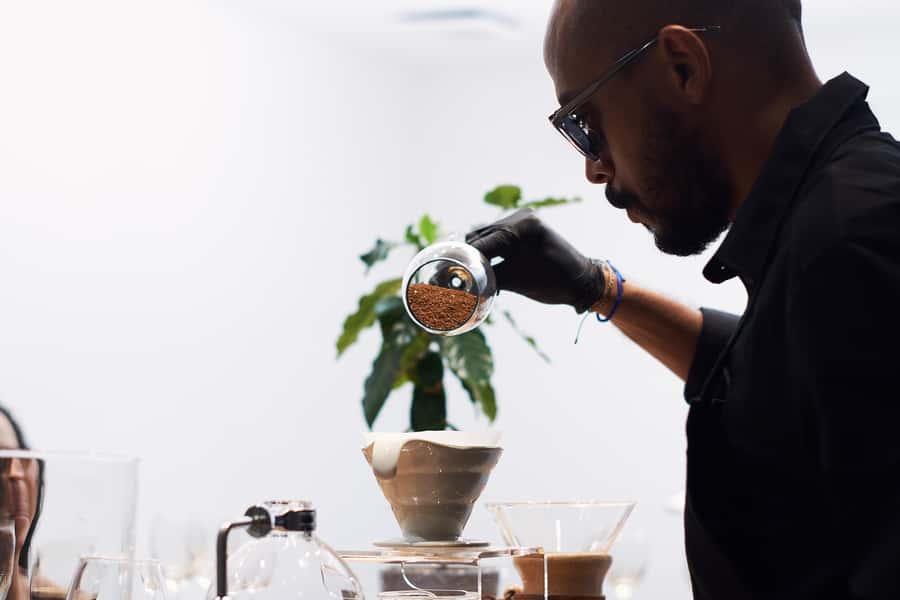
- Three brewing styles are compared in one workshop: Chemex, V60, and Hario TCA-5 siphon
- Coffee nose practice trains your smell before you taste
- Food pairings help you label flavors, including fresh fruits, dehydrated fruits, and chocolate
- You build a sensory vocabulary, so you can talk about body and profiles, not just like or dislike
- A participation diploma is included at the end
Coffee Lab Classroom to Cup: What the 2 Hours Feels Like
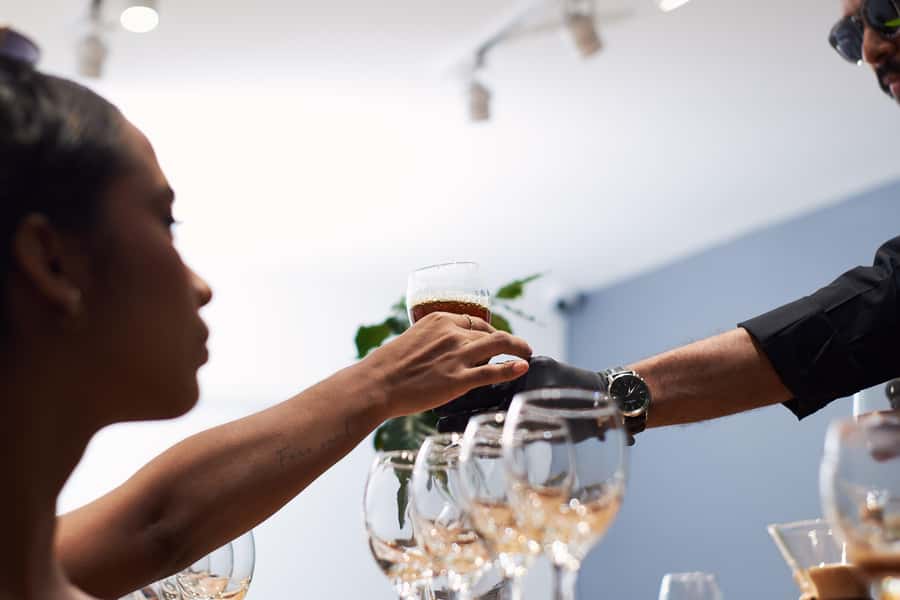
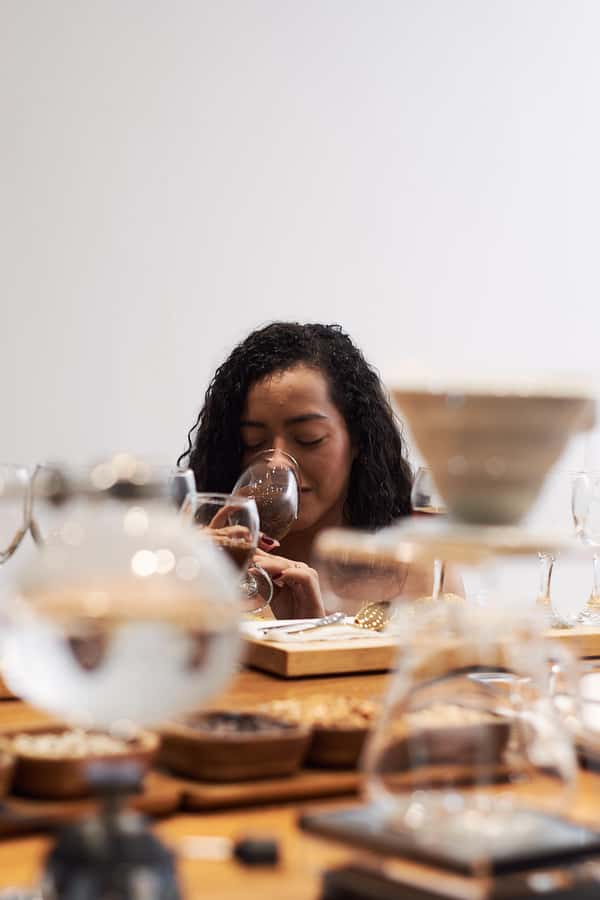
This is a compact, structured specialty coffee class in Cartagena. The whole idea is simple: you learn how Colombian specialty coffee gets from processing steps to a brewed cup, and then you apply that knowledge with tastings you can actually compare.
The format is built around short segments: a classroom-style introduction, then sensory work (smell and taste), and finally cupping/brewing comparisons. Because it runs about 2 hours, you’ll get a complete experience cycle without feeling stuck there all afternoon.
If you’re a coffee beginner, you won’t be thrown into jargon. The class focuses on basic skills you can use right away: how to distinguish profiles, how to prepare coffee using different extraction methods, and how to taste with intention.
If you’re a coffee fan, you’ll appreciate the emphasis on technique and perception. Several instructors referenced in English/Spanish sessions (including names like Thomas/Tomas and Santiago) are described as very passionate and engaging. The vibe tends to be “learn the craft” more than “order a latte and chat.”
More coffee, rum and chocolate to sip your way through in Cartagena

Where to Meet: Finding the Coffee Experience Center Without Stress
The meeting point is a coffee experience center. The practical instruction is straightforward: when you arrive, you just tell the team you’re there for the coffee activity.
Still, Cartagena can be a little sneaky for navigation. One attendee noted that the provided address in maps may send you to the wrong spot, and suggested searching for the cafe name (Cafe-472) to get the right location. A tip: if you’re relying on rideshare, set the destination using the cafe name rather than only the text address.
Once you arrive, you’ll likely use a separate entrance for skip-the-line entry. That’s a small thing, but on a busy travel day it helps you start on time instead of waiting around.
Also note: strong fragrances are not allowed. So keep perfume and strong aftershave to a minimum. This isn’t a “be courteous” rule. It’s part of how they protect the accuracy of your olfactory training.
From Seed to Cup: How Processing Gets Explained
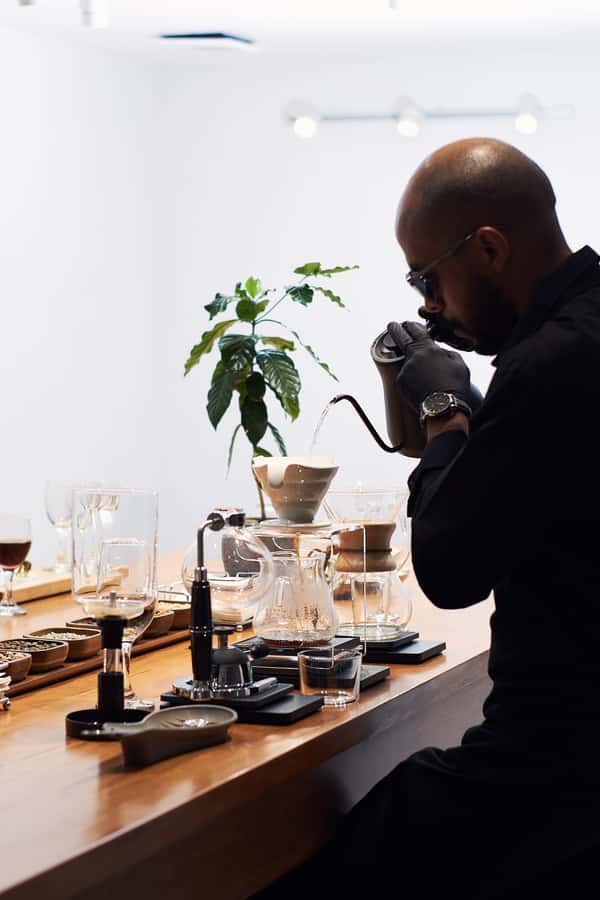
You start with context. The workshop begins with the history and coffee development story in Colombia, then moves into what happens to coffee before it becomes your drink.
The core promise here is the transformation: you go from parchment bean (processed coffee) to brewed cup. You’ll hear about coffee processing as a concept, and you’ll see how those processing choices connect to flavor and aroma later.
Why that matters: specialty coffee tasting isn’t just about guessing what you taste. It’s about understanding why the coffee tastes the way it does. When you know that processing and extraction affect aroma, acidity, sweetness, and body, the tasting stops being random.
The class also sets you up to taste across differences in profile. Instead of asking you to remember 20 terms, the instruction leans toward sensory categories you can build quickly: fruit vs. chocolate notes, brightness vs. roundness, and how body feels in your mouth.
Your Coffee Nose: Smell Like You Mean It
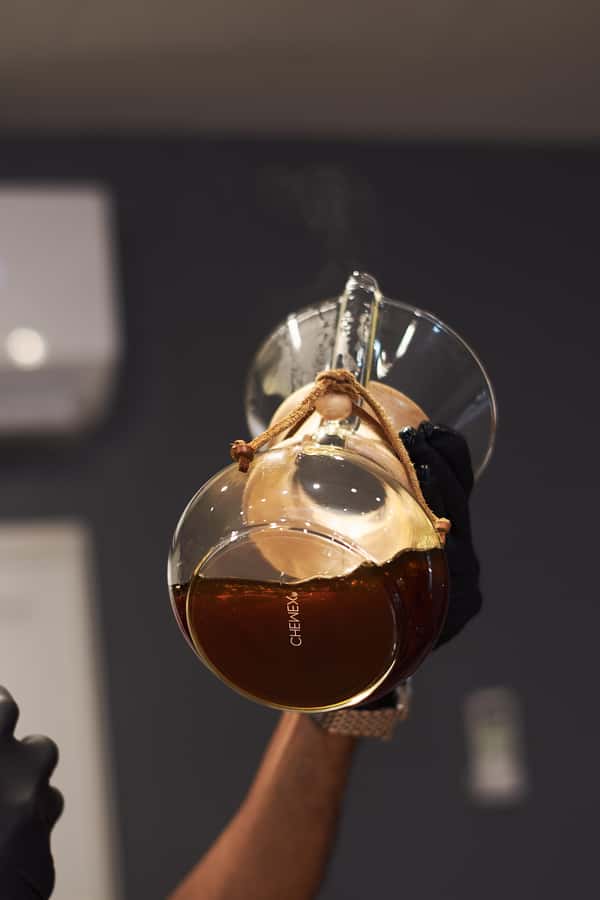
Before you drink a lot, you smell a lot. You get olfactory activation with a coffee nose and guided prompts that help you “activate” your sensory system.
This is where the workshop feels different from typical tastings. Smell is often the missing step. People taste, sip, and then guess. Here, they train you to notice what your nose is picking up first.
To support that sensory work, the experience includes tasting elements that act like a flavor translator:
- fresh fruits
- dehydrated fruits
- chocolate
That matters because it gives you common reference points. When someone says the coffee tastes like fruit or chocolate, you can map that to something you’ve actually smelled and tasted in the moment.
One extra detail I found useful from the way the workshop is described: the program uses an approach to “awakening sensory vocabulary.” You’re not just tasting. You’re learning words and comparisons so you can describe what you feel and taste.
Tasting Three Colombian Specialty Coffees: Chemex, V60, and Hario TCA-5 Siphon
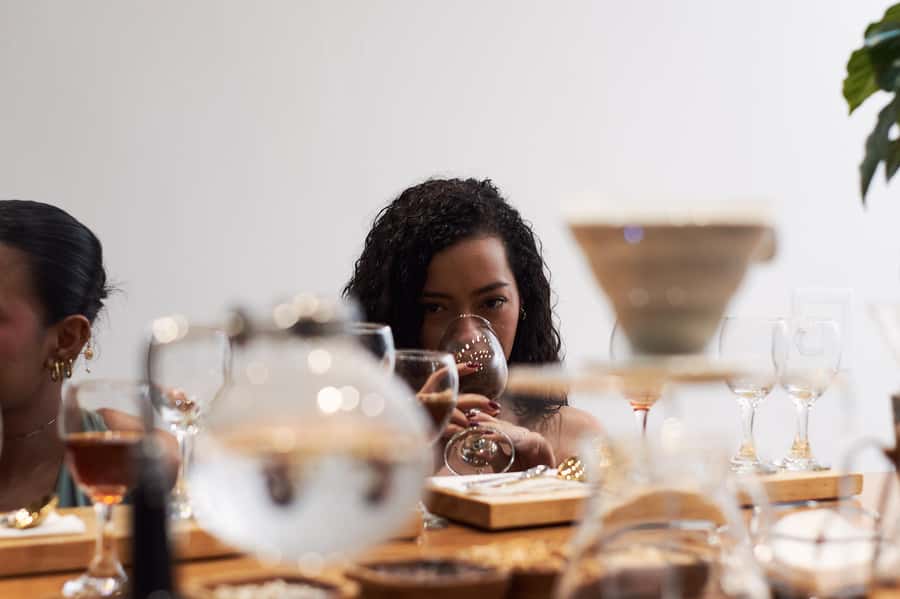
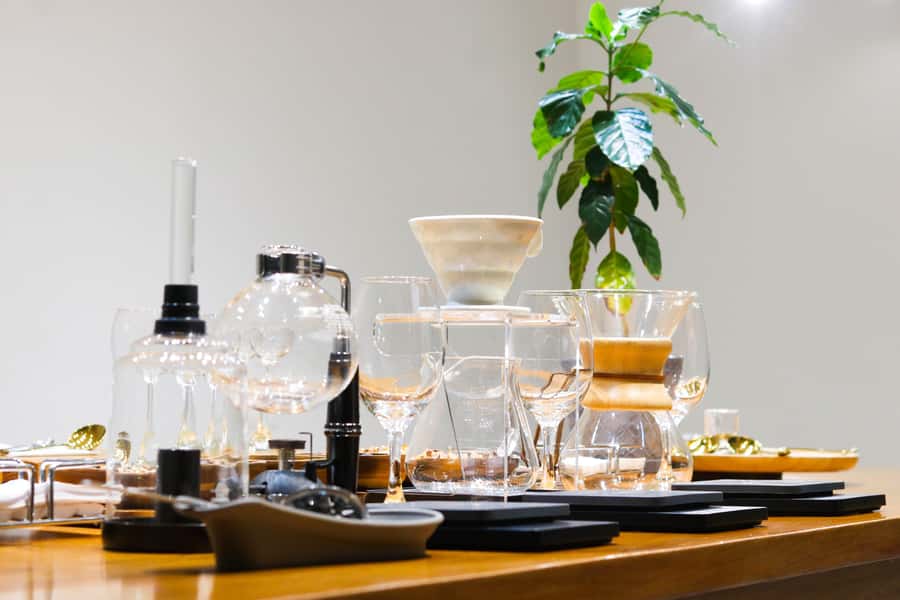
The highlight for most people is the comparison tasting of three different Colombian specialty coffees prepared with different methods. You don’t just sample three cups. You learn how brewing changes the result.
Here’s what you can expect from the three methods mentioned in the workshop experience:
More food and drink to savour in Cartagena

Chemex
Chemex is presented as a method that tends to highlight fruity and complex notes. If you like brighter fruit flavors and layered complexity, this is often the cup you pay attention to first.
V60
V60 is described as bringing out brightness and body. That balance is useful if you want both a lively flavor profile and a fuller mouthfeel. It’s a good “bridge” cup between fruitiness and structure.
Hario TCA-5 siphon
The siphon (Hario TCA-5 siphon) is taught as a path to roundness and smoothness, with honey-like aromas mentioned in the experience. If you’ve ever wondered why some coffees taste silky instead of sharp, this method is part of the answer.
As you taste, you’ll use cupping elements and textures. The goal is to help you perceive nuances in body and flavor. Some people come in expecting a casual tasting. You’ll leave with the sense that you can actually follow what’s happening in the cup.
And yes, the sensory palette expands. Fresh fruit to chocolate shows up repeatedly as the range of flavors people notice, sometimes with sweet or floral undertones.
How You Learn to Taste: Body, Profiles, and Your Own Preferences
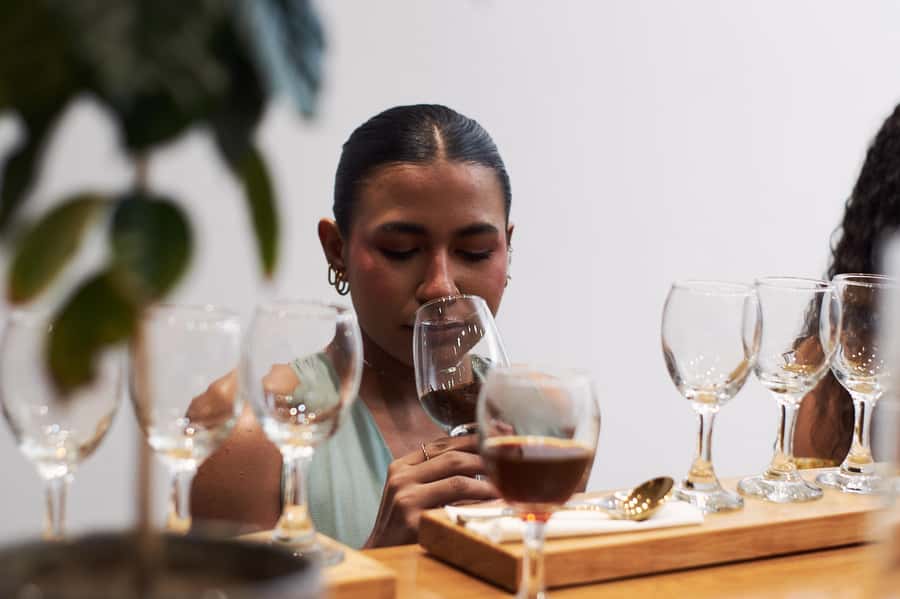
A good coffee tasting teaches you how to compare, not just what to buy. This one aims for the skills behind the flavor.
You’ll practice identifying different characteristics through guided cupping and extraction-method comparisons. The instructor focuses on how to distinguish and prepare the coffee, then how to taste it in a way that produces consistent observations.
A key part of the training is learning about coffee “body.” You start sensing body not as a vague idea, but as something you can describe: lighter vs. fuller feel, smoother vs. more textured sensations, and how those map to the coffee profile you prefer.
By the end, you should be able to:
- recognize differences between three specialty coffees
- understand how extraction methods shift perceived flavor and body
- identify your preferred coffee profile
That last point is practical. If you’re going to keep drinking coffee after your trip, being able to pick what you like is worth more than collecting trivia.
You also receive a diploma: Diploma Awakenings of the coffee senses – From the seed to the cup. It’s small, but it reinforces that this is a learning-focused experience, not just a tasting ticket.
Price and Value in Cartagena: Is $15 Worth It?
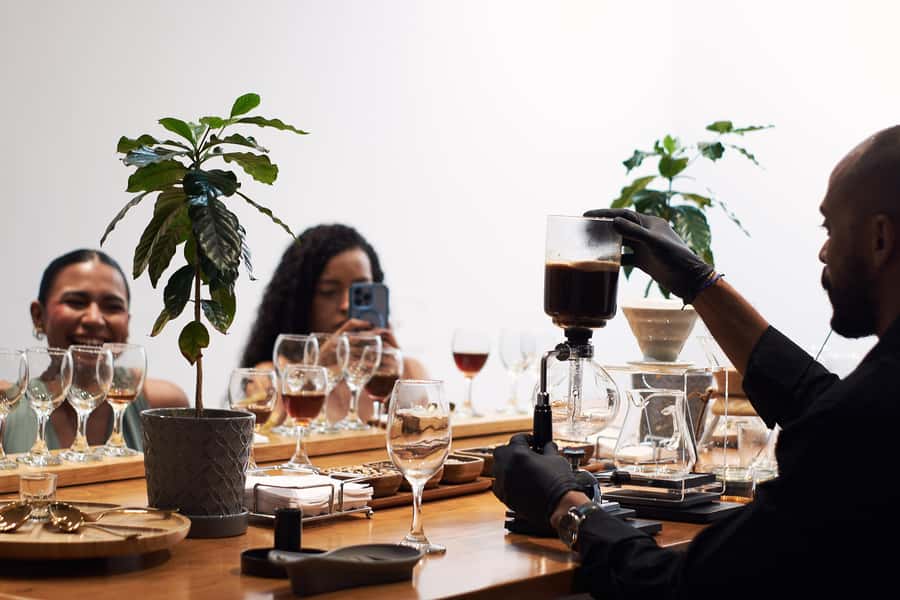
At $15 per person for about 2 hours, this workshop is priced like a serious add-on that still fits a normal travel budget. What makes it good value isn’t only the tasting. It’s the structure and included elements that support learning.
You’re paying for:
- classroom-style guidance on Colombian coffee origins and context
- coffee processing explanation
- smell practice (coffee nose)
- taste practice with structured sensory references (fresh and dehydrated fruit plus chocolate)
- cupping and tasting of three specialty coffees prepared with different methods
- a participation diploma
If you enjoy coffee already, you’ll likely treat this as one of your “high return” experiences, because you get skills you can use at home. If you’re not a coffee person, the fruit-and-chocolate sensory parts and the easy-to-follow comparison approach can still make it fun, even if you end up preferring something other than straight espresso-style drinks.
If you’re cost-sensitive, the key is to plan the time. Two hours is long enough to change how you taste, short enough that you won’t feel like you lost a whole afternoon.
Before/After Plan: Pair This Workshop With Cartagena Day Moves
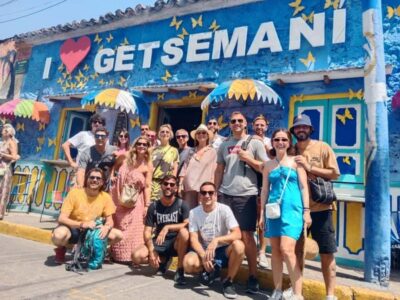
This class can slot nicely into a broader coffee-friendly day. One attendee specifically suggested making it part of a route: head out to Manga, then explore Getsemani afterward. If you like to keep your day flowing from one neighborhood vibe to another, that’s an easy pairing.
Also, the cafe itself has extra items mentioned in the same spirit. People talked about selling items like croissants made by a local baker, a cold brew people highlighted, and a Bailey’s Frappé. Those are not listed as part of the workshop, but they can be a nice way to keep the coffee theme going without overbooking.
Who Should Book This Specialty Coffee Tasting

Book it if you want:
- a guided way to learn flavor and aroma, not just drink coffee
- a comparison of brewing methods (Chemex, V60, siphon) in one session
- an English/Spanish instruction experience that stays focused on tasting skills
- a calm, instruction-led setting that still feels engaging
Skip it (or manage your expectations) if you want:
- a big social party atmosphere
- a very casual “wander in, taste, leave” format
- a session centered on heavy entertainment rather than sensory practice
The workshop is best for people who like learning through their senses. It’s also ideal for travelers who want a high-quality, local-feeling activity that doesn’t depend on museum time slots or long tours.
Should You Book This Colombian Coffee Tasting in Cartagena?
I think it’s a strong yes for most coffee lovers, because the training is practical and the comparison format is clear. You’ll leave knowing more than you came in with, especially about how brewing method affects what you taste.
If you’re sensitive to smells, remember the fragrance rule and go light on perfume. If you’re looking for a loud group experience, expect something more structured.
If you want one “coffee skill” experience while in Cartagena, this one makes a solid choice. Two hours. Three brews. Smell, taste, compare. That combo is hard to beat for the price.
FAQ
How long is the Cartagena Colombian specialty coffee tasting?
The experience runs for 2 hours.
What does the price include?
It includes coffee processing, smell and taste activations (coffee nose and fruit/chocolate elements), cupping and tasting of three coffee methods/profiles, and a participation diploma.
Is this workshop offered in English or Spanish?
Yes. The instructor offers the experience in English and Spanish.
Do I need to bring anything?
Nothing is mentioned as required. Just plan to follow the sensory setup rules, like avoiding strong fragrances.
Are strong fragrances allowed?
No. Strong fragrances are not allowed during the activity.
What if my plans change?
You can cancel up to 24 hours in advance for a full refund.
More Coffee, Rum and Chocolate Tastings in Cartagena
More Tour Reviews in Cartagena



Not quite it? Here is more to do around Cartagena, freshly reviewed







Coffee, Rum & Chocolate Tastings, compared.
 ★ 4.9Boutique Rum and Chocolate Tasting at LunáticoFrom $105121 reviews
 ★ 5.0Rum & Rhythms a premium rum tasting with live musicFrom $5546 reviews
 ★ 4.1Islabela Islands Boat Trip with Lunch & CocktailFrom $9441 reviews
 ★ 4.5Cartagena Coffee MastersFrom $8540 reviews
 ★ 4.5Cartagena Highlights: San Felipe, Popa & Coffee ExperienceFrom $15239 reviews
 ★ 5.0Specialty Coffee Workshops in CartagenaFrom $4534 reviews
 ★ 5.0Walking Tour of Cartagena Including a Colombian Cup of CoffeeFrom $16030 reviews
 ★ 5.0Express Rum and Chocolate Tasting ExperienceFrom $6910 reviews
Browse the lists this tour appears in