
Reviewed · LA BOQUILLA MANGROVES & BIRDWATCHING
Cartagena: FISHERMEN’S ISLAND IN THE MANGROVES by canoe
La Boquilla mangroves feel worlds away from the city noise. I really like how this trip mixes real canoe sailing with a human stop on Fishermen’s Island, where you hear the stories and the rhythms of Caribbean life.
My other favorite part is the native bilingual guidance that actually explains what you’re seeing—Domingo is attentive and hospitable, and Sandra brings serious plant-and-animal knowledge with great English. One thing to plan around: this experience does not include a return to your hotel after it ends, and you’ll coordinate via WhatsApp.
In This Review
- Key things to know before you go
- Canoe time in La Boquilla: the quiet start that surprises you
- Three mangrove tunnels and the wildlife you can actually look for
- Fishermen’s Island (Isla de los Pescadores): where culture meets the water
- Music, dance, and history: how the island side feels different
- What makes the guide experience work (and what to expect)
- Price and logistics: value, pickup options, and the WhatsApp reality
- Time on the water vs. time on land: how the schedule feels
- Who should book this (and who might want something else)
- Should you book Fishermen’s Island in the Mangroves?
- FAQ
- Where is the meeting point for the canoe tour?
- How long is the experience?
- Are the mangrove tunnels included?
- Do you also visit Isla de los Pescadores?
- What wildlife might you see?
- Is there music and dancing on Fishermen’s Island?
- What languages do the guides speak?
- Is pickup and hotel return included?
- What is the price and can I cancel?
Key things to know before you go
- Three mangrove tunnels by canoe with a guide pointing out what matters in the water and the roots
- Wildlife spotting that feels hands-on: flamingos, pelicans, crabs, and birds (timing can affect what you see)
- Fishermen’s Island is more than a photo stop: music, dance, and a chance to learn local history
- Native bilingual guides who talk about flora and fauna in a way you can follow
- A traditional raft-style ride that keeps the outing grounded in the local way of moving around
- Meeting at La Boquilla beach and mangroves near Caribe Blue and Manglares Hostel—expect a beachy approach
Canoe time in La Boquilla: the quiet start that surprises you
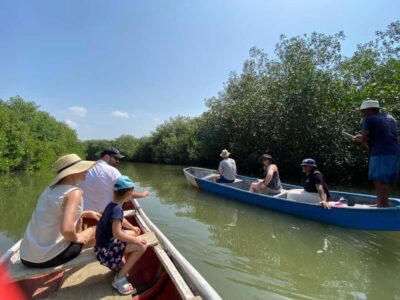
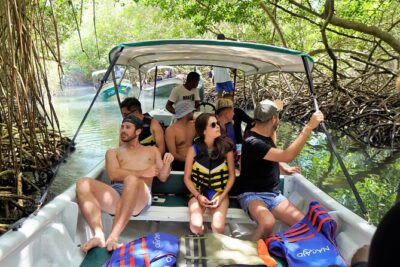
This is one of those Cartagena activities that changes your mood fast. Instead of heading toward another viewpoint, you slide into the mangroves near La Boquilla, where the pace slows and the sounds shift. You’re on a traditional canoe/raft navigation style, and that matters because it keeps the experience tactile and local, not staged.
Reaching the meeting area can feel a little odd at first. The beach-and-mangrove setting near Caribe Blue and Manglares Hostel is not the polished, walk-up-to-a-ticket-booth kind of tourism. Once you’re on the water, the calm tends to take over—and you start feeling like you’re not in Cartagena anymore.
Glide through more La Boquilla mangroves and birdlife near Cartagena

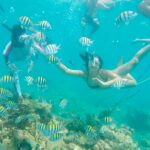
Three mangrove tunnels and the wildlife you can actually look for
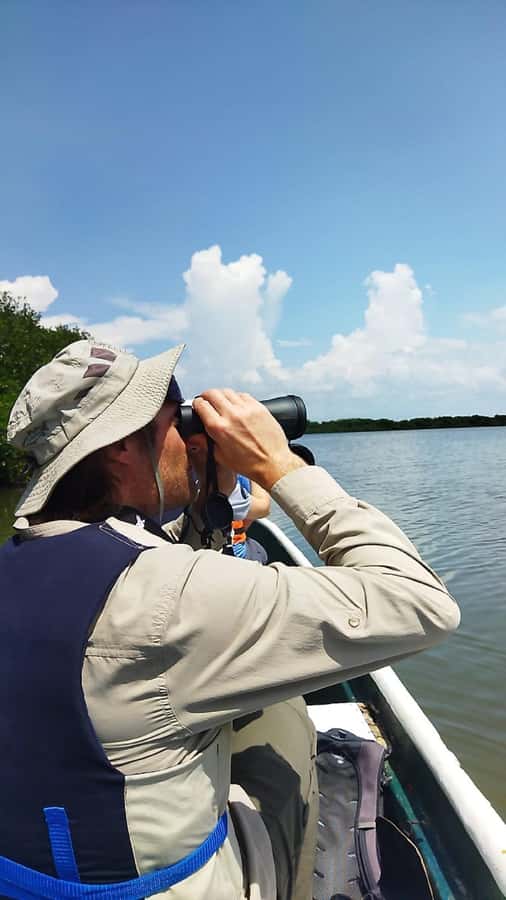
The main show starts with the mangrove tunnels. You’ll sail through three mangrove caves/tunnels, guided by a local who talks as you go. The focus isn’t just scenery. It’s the living system: the plants, the animals that depend on them, and the way the mangrove roots shape the water.
Here’s what you can look (and listen) for during the ride:
- Birdsong and flying movement overhead
- Colorful crabs and other small creatures you might spot near the roots
- Flamingo and pelican sightings (depending on timing and conditions)
- Chances to notice amphibians and reptiles mentioned by the guide
- Different bird species based on when your route happens
The tour also gives you a guided explanation of mangrove flora, including endemic mangrove plants. Even if you’re not a naturalist, you’ll probably catch on quickly—because your guide connects the “look at this” moment to the “why it’s here” moment.
Practical tip: keep your eyes low near the mangrove edges during the tunnel segments. Big birds can be obvious, but the small stuff often shows up where water meets roots.
Fishermen’s Island (Isla de los Pescadores): where culture meets the water
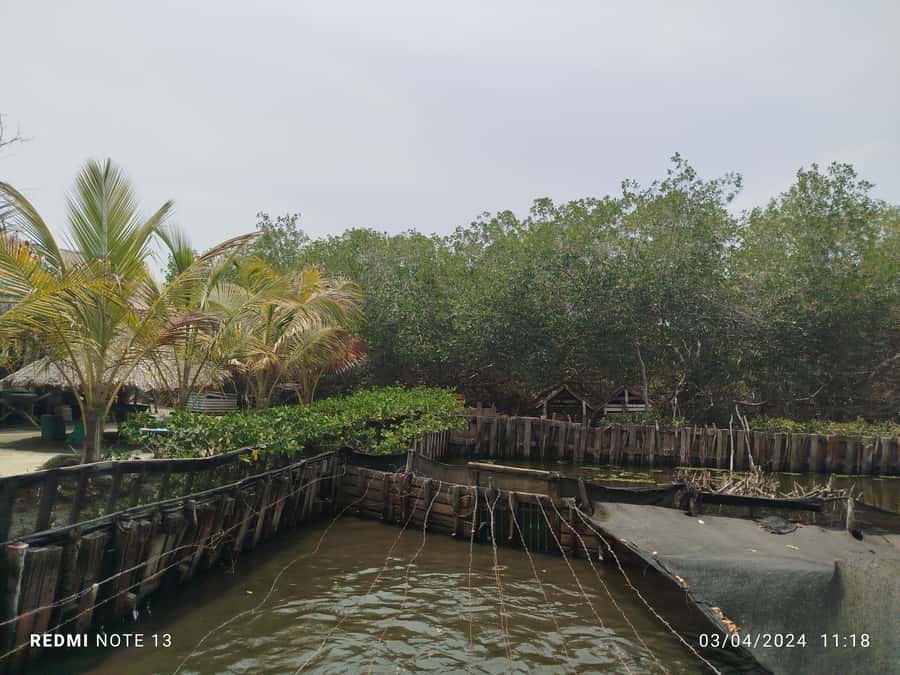
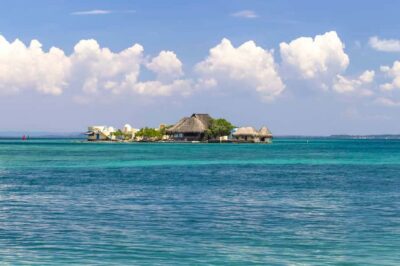
After the mangrove sailing, you arrive at Isla de los Pescadores—the fishermen’s island. This is where the trip turns from nature tour to community experience. You’re not just sightseeing from a distance. You get to spend time on the island, with a guided visit and time to look around.
The island portion includes:
- Guided tour and sightseeing
- A safety briefing as part of how the activity runs
- More sailing/scenic moments on the way
And then comes the part that often becomes the best memory: the interaction side. You’ll be around local fishermen and native community members, and you’ll hear and see musical groups and dances connected to the place.
One of the nice surprises here is that it’s not presented like a performance-only stage. It feels like Caribbean culture in motion, with a relaxed, local rhythm.
Music, dance, and history: how the island side feels different
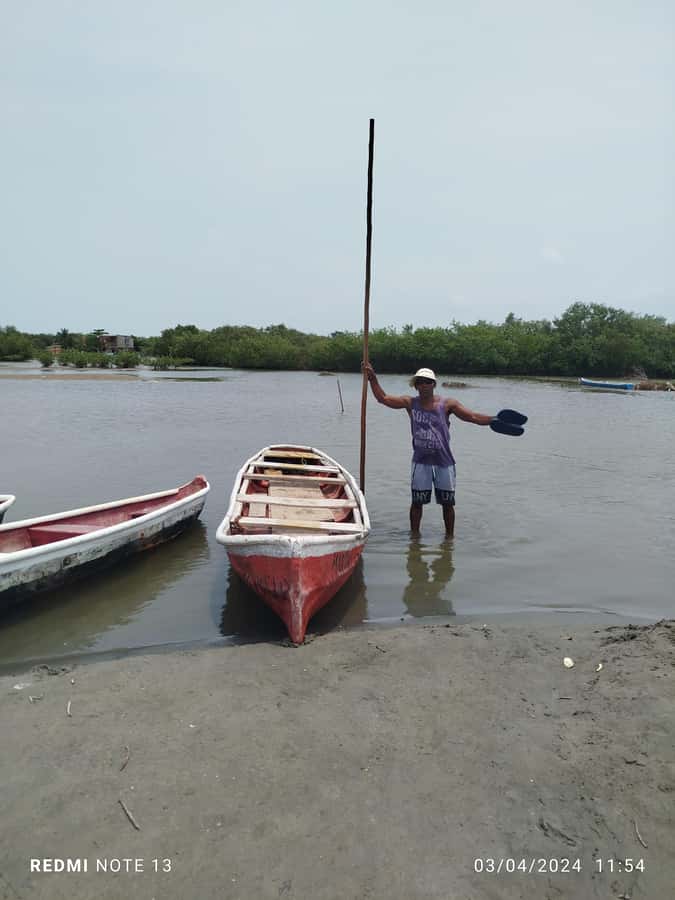
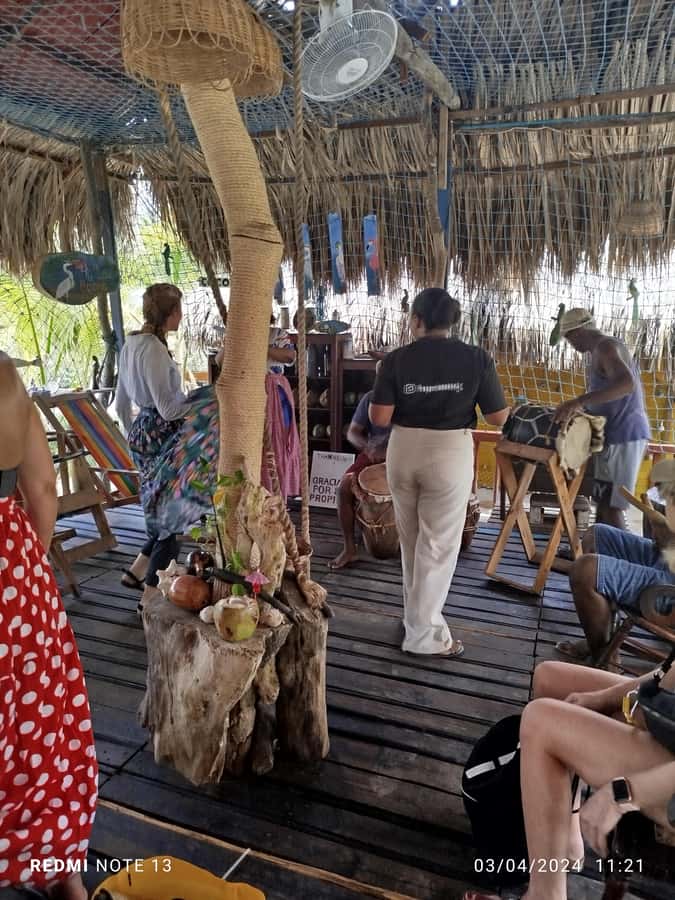
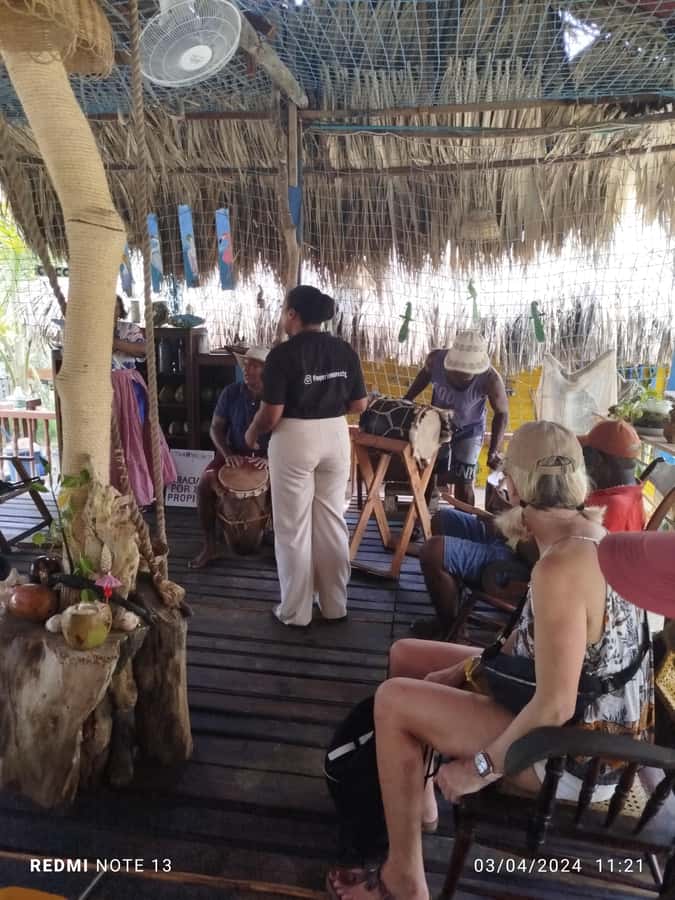
On Fishermen’s Island, you can enjoy coco frío and then settle into the music and dance. The activity includes musical groups, dances, and typical dance shows, plus a chance to learn a bit about local history and Caribbean culture.
This matters because it makes the tour feel whole. You’re not bouncing between random activities. You start in the mangroves, you understand the natural environment, and then you see how local life connects to that environment—through work, community, and celebration.
Also, the energy tends to be warm rather than formal. Guides described Domingo and Sandra as enthusiastic and took real time with the explanations, so the island segment doesn’t feel like a rushed “eat, watch, leave” stop.
What makes the guide experience work (and what to expect)
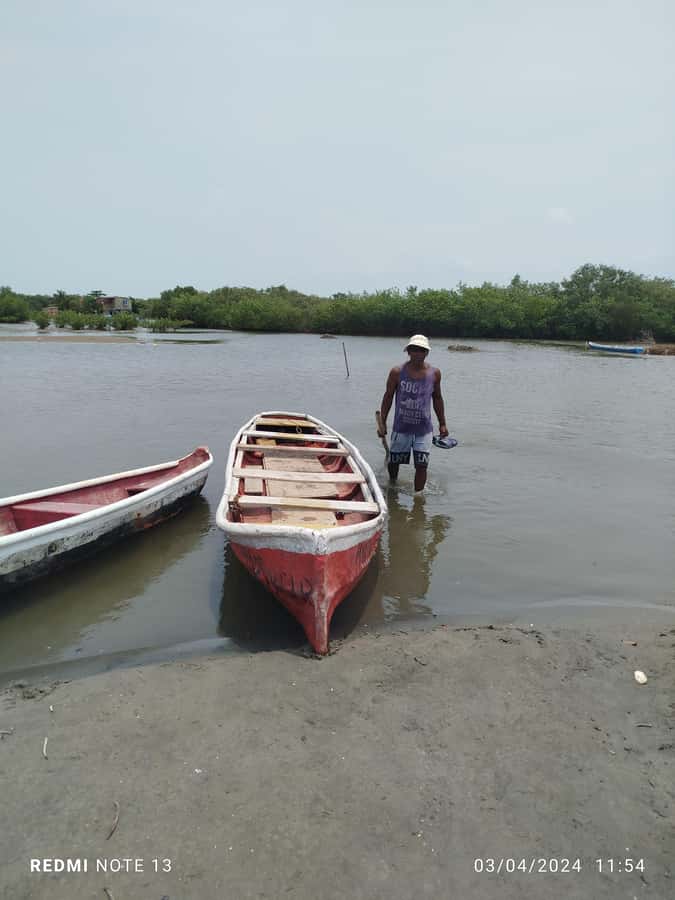
This tour is built around a native bilingual guide (English and Spanish options). That’s a big deal in mangroves, because you’ll miss a lot if it’s only general commentary. The guides talk about the flora and fauna, explain what you’re seeing along the way, and often keep an eye on sightings as the route unfolds.
Domingo gets highlighted as attentive and welcoming from start to finish. Another guide, Sandra, gets praised specifically for plant-and-animal knowledge and very strong English. That gives you a good clue about the type of guidance you’re likely to receive—clear, practical explanation, not vague talk.
It’s also described as a private group with a personalized guide. That means you’re less likely to get stuck with the “same info, same speed, same distance” feeling that can happen on larger tours.
A few more Cartagena tours and experiences worth a second look
Price and logistics: value, pickup options, and the WhatsApp reality
Let’s talk value first. At $28 per person, this feels like solid value for what you’re getting: canoe navigation, guided mangrove tunneling, island time, and live music/dance, plus a guide-led nature education component. Add in that there’s a water bottle included, and you’re not just paying for transportation and a quick walk.
Pickup is optional and depends on where you’re staying. The tour lists many pickup zones across Cartagena—places like Bocagrande, Laguito, Catillogrande, Manga, Ciudad Antigua (the walled city), center, Marbella, Cabrero, Crespo, Los Morros, La Boquilla, and others. The key thing: pickup pricing varies (between $4 and $10) depending on pick-up location.
One more logistics point you should plan for: the activity provider notes that the mangrove tour does not include return to your hotel after it’s over. They coordinate through WhatsApp. So when you book, make sure you understand where you’ll end up and what your next step is for getting back.
Simple strategy: message the provider right away after booking and confirm your exact pickup/drop-off plan for your neighborhood. It reduces stress and keeps the day smooth.
Time on the water vs. time on land: how the schedule feels
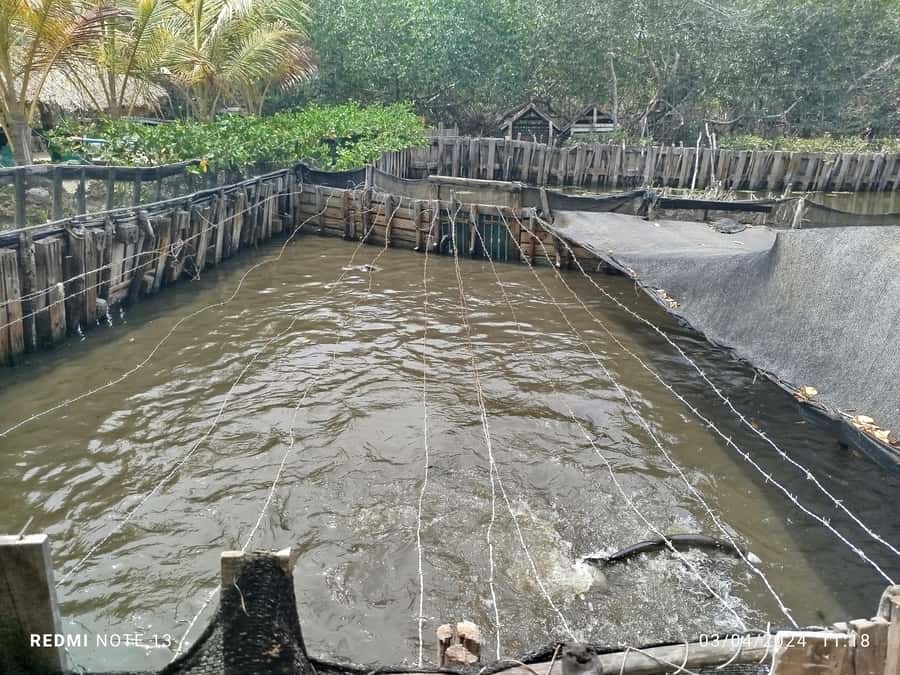
The experience is organized into phases: a start by raft/navigation, a guided sailing section through the mangrove tunnels, time visiting and touring the fishermen’s island, and then a ride back. Even if the total duration is listed as around 2 hours, the day can still feel like a more extended outing because there are multiple segments and you’ll want time to enjoy both the mangroves and the island culture.
If you’re trying to fit this between other plans, I’d treat it as a half-day commitment in your mind. Leave buffer time before and after, especially if your pickup or drop-off depends on WhatsApp coordination.
Who should book this (and who might want something else)
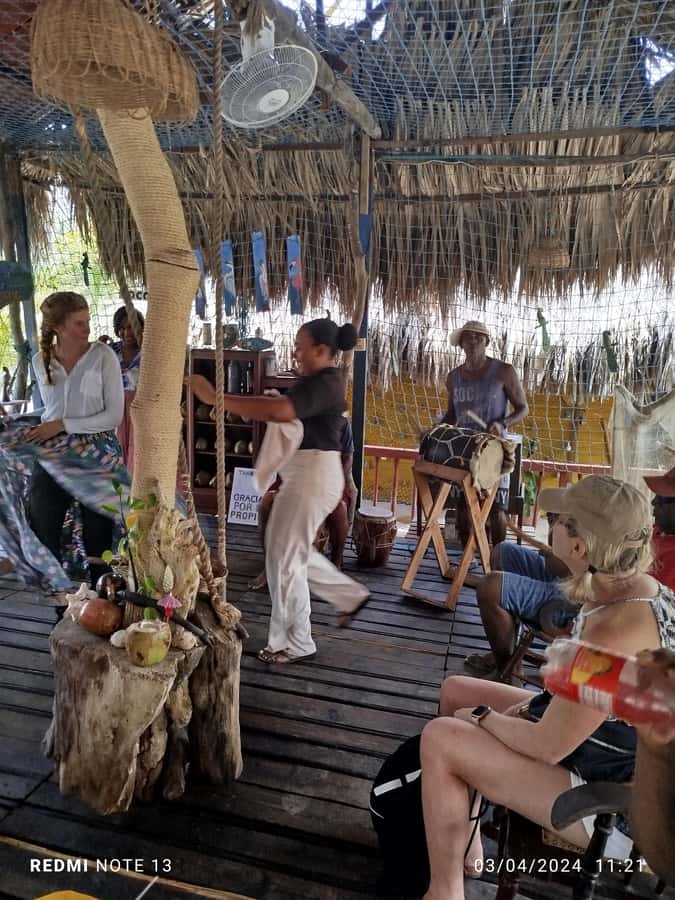
Book this if:
- You like nature that’s more than a postcard—mangrove roots, tunnels, and real wildlife chances
- You want a local community experience on top of sightseeing
- You prefer guided understanding (flora/fauna explanations) over just looking at things
- You’d enjoy music and dance as part of the trip, not as an optional extra
Consider skipping or swapping for another option if:
- You want the tour to end back at your hotel automatically. Here, the provider coordinates and the return is not guaranteed as part of the mangrove portion.
- You’re short on time and can’t handle a trip that runs in multiple segments.
Should you book Fishermen’s Island in the Mangroves?
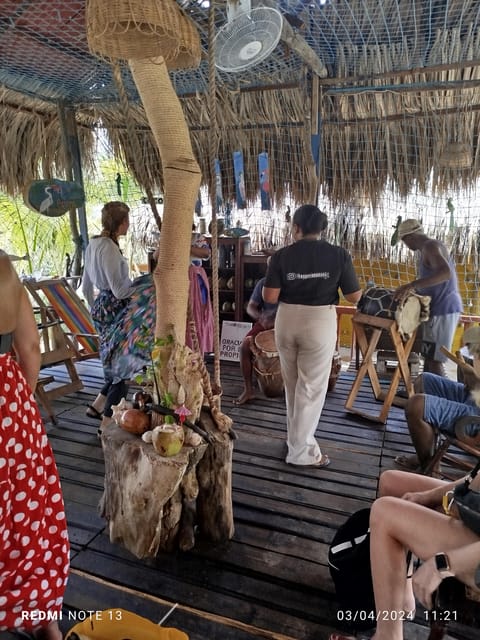
Yes—if you want a Cartagena experience that feels grounded in place. The best part is the combination: three mangrove tunnels by canoe plus an island visit where local music, dance, and history are part of the day. Guides like Domingo and Sandra are repeatedly described as taking time and making the nature education understandable, which is exactly what you want when you’re in a living ecosystem.
Just do two things to make it effortless: confirm pickup/drop-off details for your exact area via WhatsApp, and give yourself buffer time around the tour so the mangroves and island segment both land comfortably in your schedule. If you do that, you’ll come away with a day that feels calmer, more human, and far more interesting than another quick stop.
FAQ
Where is the meeting point for the canoe tour?
The meeting point is at the beach and mangroves of La Boquilla, near Caribe Blue and Manglares Hostel, on the beaches.
How long is the experience?
It is listed as about 2 hours (check availability for starting times).
Are the mangrove tunnels included?
Yes. You’ll sail through three mangrove tunnels during the guided sailing portion.
Do you also visit Isla de los Pescadores?
Yes. You visit Fishermen’s Island (Isla de los Pescadores), with a guided visit and time for sightseeing.
What wildlife might you see?
The tour includes opportunities for flamingo sightings, pelican sightings, crab sightings, and bird species sightings depending on the time of the journey. There may also be amphibians and reptiles observed.
Is there music and dancing on Fishermen’s Island?
Yes. The island visit includes music, dance, and typical dance shows, plus time to enjoy a coco frío.
What languages do the guides speak?
The guide is described as a native English guide, and the tour is available in English and Spanish.
Is pickup and hotel return included?
Pickup is optional, and the provider offers multiple pickup zones. The mangrove tour does not include return to the hotel after the tour is over; the provider coordinates through WhatsApp.
What is the price and can I cancel?
The price is listed at $28 per person (pickup can add $4 to $10 depending on location). You can cancel up to 24 hours in advance for a full refund.
More La Boquilla Mangrove and Birding Trips
More Tour Reviews in Cartagena

Not quite it? Here is more to do around Cartagena, freshly reviewed






La Boquilla Mangroves & Birdwatching, compared.
 ★ 4.8Mangrove Eco Tour & Fishing with TransportationFrom $55185 reviews
 ★ 3.7Full Day Barú island: Mangrove +Snorkel + Sunset + PlanktonFrom $69139 reviews
 ★ 3.8Snorkel, Mangroves and Playa Blanca Tour132 reviews
 ★ 4.0Adventure full day Isla Barú + Mangroves + Snorkel + bioluminescent planktonFrom $6595 reviews
 ★ 4.5Magical Full-Day Tour Through The Mangroves And The Beach In Isla de BarúFrom $4590 reviews
 ★ 5.0Cartagena Fishing & Crabbing • Unique Local Experience with LunchFrom $8990 reviews
 ★ 4.8Typical lunch on beach, mangrove tour & fishing with nativesFrom $8479 reviews
 ★ 4.9Rosario Island and Mangroves Private Day TripFrom $24473 reviews
Browse the lists this tour appears in