
Reviewed · SAN BASILIO DE PALENQUE HERITAGE TOURS
Palenque African Roots Day Tour
Palenque tells a story you can feel. This Palenque African Roots day tour pairs a slow, guided visit to San Basilio de Palenque with a quick stop at the Benkos Biohó monument—focused on culture, music, language, and local food ways. I especially like that it’s guided by a native voice, and that the day includes lunch plus cold drinks to keep you going in the heat. One downside to plan around: the schedule can feel tight, and on real-world days when transport or timing slips, you may lose part of the cultural program.
You’ll leave at 8:30am and spend about 6 hours in Palenque, with a short 5-minute monument stop afterward. The group stays small (max 10 travelers), and you ride in a private, air-conditioned vehicle—comfort you’ll notice before you even reach the first stop.
In This Review
- Key things I’d circle before you go
- Why San Basilio de Palenque matters for African roots
- Getting there early: 8:30 start and private A/C transport
- Stop 1: San Basilio de Palenque streets, language, music, and food
- What you’ll experience
- The practical side (heat, pace, and what to wear)
- A gentle warning about time-based presentations
- Stop 2: Monumento a Benkos Biohó and the story behind the name
- Lunch, bottled water, and tropical raspado: what’s actually included
- Price and logistics: why $105 can still feel fair
- When the schedule slips: how to protect your experience
- Who should book this Palenque African Roots Day Tour?
- Final verdict: should you book it?
- FAQ
- Is the Palenque African Roots Day Tour from Cartagena good for first-timers?
- How long is the tour?
- What time does the tour start?
- What does the price include?
- What is not included?
- How many people are in the group?
- Does it run in any weather?
- Are there ticket costs for the stops?
Key things I’d circle before you go
- San Basilio de Palenque is the main event: about 6 hours there, not just a quick drive-by.
- Dialects and music are part of the lesson—you’re not only looking at photos, you’re hearing and learning.
- Two history hits, one long community visit: the Benkos Biohó monument stop is brief by design.
- Included food and cooling breaks: lunch, bottled water, and a tropical raspado/slushie.
- Small group style: up to 10 people means you’re less likely to feel like a number in line.
- Confirm what’s included if dance performances matter to you: a couple of past experiences ran short on presentation time.
Why San Basilio de Palenque matters for African roots
If you care about how African heritage shaped the Americas, this is one of the most meaningful places you can visit from Cartagena. San Basilio de Palenque isn’t presented as a museum-style stop. It’s treated as a living community with its own identity—built on resistance, survival, and continuity.
What makes it powerful here is the way the tour frames culture as something you experience with your senses. You’re guided through colorful streets, and you learn through gastronomy, musical rhythm, and the community’s own dialect—something described as still intact after centuries. That matters because so many “history tours” stop at facts on a page. This one tries to show how language and rhythm stay connected to everyday life.
You’ll also see why the broader story matters. Benkos Biohó is central to the Palenque origin story—maroon resistance that helped create a space where freedom wasn’t just a promise. Even the short monument stop reinforces that you’re not dealing with a vague legend. This is tied to named leaders and known time periods.
Read on for more San Basilio de Palenque heritage days from Cartagena
Getting there early: 8:30 start and private A/C transport
This tour starts at 8:30am, so build your morning around being ready to roll. Early helps with heat and energy, and it also makes the day feel smoother because the longest part—Palenque—is time-heavy.
You travel by private transportation in an air-conditioned vehicle. That’s more than a comfort perk. In Cartagena’s climate, A/C can be the difference between arriving alert or arriving fried. Since the day’s pace includes walking and time outdoors, I’d treat the vehicle as part of your success plan, not just a ride.
The group size is capped at 10 travelers. In practice, that usually means:
- your guide can manage the pace
- questions don’t get drowned out
- you’re less likely to spend the day waiting in a long line
Also note what’s included up front: an umbrella. That’s a great inclusion if sun and sudden rain are both on the table, which they often are in coastal Colombia.
Stop 1: San Basilio de Palenque streets, language, music, and food
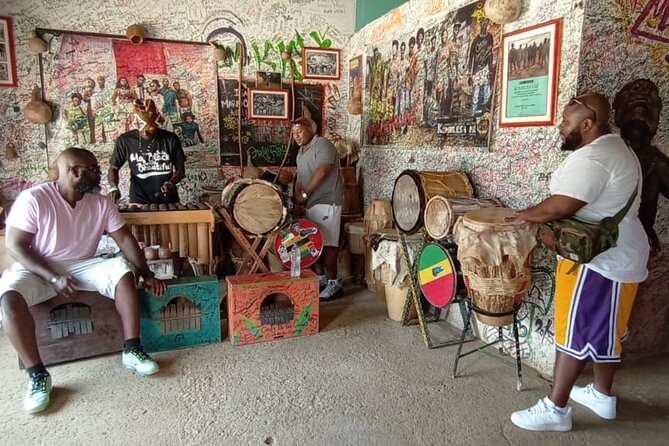
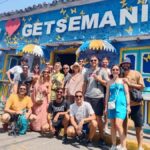
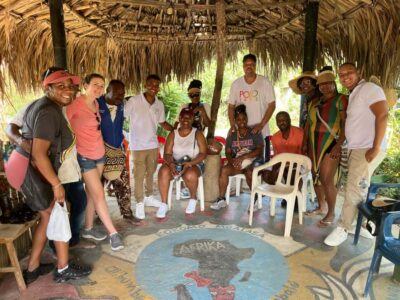
Stop 1 is where the whole tour lives: about 6 hours in San Basilio de Palenque, guided by a native guide. This is not a “see it, snap it, leave it” setup. You’re meant to walk, learn, and pick up details that make the community feel real.
What you’ll experience
Expect a guided blend of:
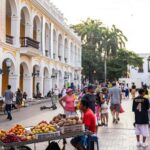
- Colorful street walking where you get orientation fast
- Culture lessons that highlight how the community kept distinct identity over time
- Musical rhythm as part of how meaning is taught
- Gastronomy—food as story, not just a meal stop
- Focus on the local dialect described as still intact after centuries
In at least some departures, the program also touches on traditional knowledge—people mention learning about medicine alongside music and food. Even if every group doesn’t cover the exact same subtopics, the overall emphasis stays consistent: culture as a lived system.
The practical side (heat, pace, and what to wear)
Because this is a morning that turns into an outdoor day, dress like you expect sun and humidity. Wear breathable clothes and shoes you trust on uneven sidewalks. Bring sunscreen and bug spray, even though bottled water and an umbrella are included. Those are helpful, but they don’t replace smart self-care.
Also, ask yourself if you’re the kind of person who enjoys demonstrations. Some people prefer seeing everyday life with no “show” feel. Others like structured cultural moments. This tour includes traditional demonstrations as part of the guided experience, and you do get time walking around the town too—so it’s not all staged.



A gentle warning about time-based presentations
There’s a recurring theme in the feedback: sometimes the program can run shorter than people expect, including missed or shortened presentation moments (like dance). If dance or a specific performance segment is the reason you booked, I’d plan to ask the day-of about timing, and keep your expectations flexible. This is a real community visit, not a scripted theater show.
Stop 2: Monumento a Benkos Biohó and the story behind the name
Stop 2 is short—about 5 minutes—but it carries real weight. You’ll visit the Monumento a Benkos Biohó, a commemoration of Benkos Biohó (also associated with the name Domingo Biohó).
This leader is described as commanding a rebellion of maroon slaves in the New Kingdom of Granada, and later becoming king of the free town of San Basilio de Palenque. The monument gives you a clear anchor for the origin story of the community you just visited.
Because it’s brief, treat it as your “history anchor,” not the full story. You’ll get the meaning here fast, and then you’ll go back mentally to the slower, lived experience of Stop 1—language, music, and the daily rhythm of the town.
The stop is marked as free admission, so you’re not paying extra to see it. The cost of the tour is really about getting you there, timing everything, and having a guide interpret what you’re seeing.
Lunch, bottled water, and tropical raspado: what’s actually included
The day includes real, practical perks:
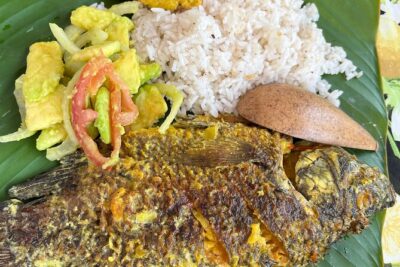
- Lunch
- Bottled water
- Soda/Pop Raspado (tropical flavor slushie)
- Umbrella
That matters for value and for comfort. Palenque isn’t a quick hop where you can casually find a drink or meal. Having lunch included means you don’t waste time hunting for something that fits your tastes—or your energy level.
One highlight people point out is that lunch can be a standout. Even if your preferences are picky, the fact that it’s included removes a major “will I be stuck hungry?” worry.
Two tips from how this day can feel:
- Keep an eye on your water and snacks early. You want to be hydrated before you’re hot and rushed.
- If the umbrella is included, confirm you receive it at the start. Even when it’s listed as included, mistakes can happen on busy days.
If you’re sensitive to heat, the raspado-style slushie can be an excellent reset. It’s not a luxury add-on; it’s the kind of included cooling you’ll actually appreciate later in the day.
Price and logistics: why $105 can still feel fair
The price is $105.00 per person, and the tour runs about 6 hours 5 minutes (approx.). That can sound like a lot until you break down what’s bundled.
For your money you’re getting:
- Private transportation in an air-conditioned vehicle
- A native-guided experience focused on culture and language
- Lunch, bottled water, and a tropical raspado/slushie
- An umbrella included
- Free admission at the stops (both stop 1 and stop 2 are listed as ticket-free)
So the cost isn’t only paying for entry fees. It’s paying for logistics, guide time, and the fact that this isn’t just a drive-by. For many people, the real value is the guide’s interpretation of what they’re seeing—especially the emphasis on dialect and music, which you won’t understand well if you’re just wandering on your own.
That said, the day can feel “programmed.” You’re moving through scheduled moments and demonstrations. If you want total freedom to roam at your own rhythm, you might prefer a DIY plan. If you want the story and the structure, this cost makes more sense.
When the schedule slips: how to protect your experience
This tour requires good weather. When weather is an issue, you’ll be offered a different date or a full refund. That’s worth taking seriously because outdoor parts of the day matter.
Beyond weather, there are two real-world timing risks to keep in mind based on prior experiences:
- Transport problems can happen anywhere, including breakdowns, which may cut the day short.
- Presentation timing can shift if the guide’s obligations or the day’s pace changes, leading to missed dance segments or other performance moments.
You can’t control those events. But you can reduce disappointment by:
- keeping your expectations flexible about performances
- arriving early (you’re already set up with the 8:30am start)
- setting a priority: choose whether your “must-have” is language/music learning, or a specific dance moment
If your main goal is cultural learning, a shortened performance segment is still painful—but you’ll likely come away with plenty. If your main goal is one specific performance, you should confirm timing when you book or directly with your provider the day-of.
Who should book this Palenque African Roots Day Tour?
This tour is a great match if you want:
- a guided, respectful look at African heritage in Colombia
- a longer community visit rather than a quick photo stop
- a day that includes food and cooling breaks
- small-group pacing (max 10)
It may be less ideal if you:
- hate structured demonstrations and prefer open wandering only
- need a perfectly guaranteed performance schedule
- plan for zero walking time (you will spend much of your day outdoors in Palenque)
It suits couples, solo travelers, and families who can handle heat and want a guided explanation with a local voice. It also supports service animals, and it says most travelers can participate.
Final verdict: should you book it?
I’d book this tour if you’re drawn to the heart of Palenque—language, music, food, and the story of resistance through Benkos Biohó and the birth of a free black community. The small group size, A/C transport, and included lunch make it easier to enjoy the day without constant logistics stress.
I’d hesitate only if your trip depends on seeing one exact performance at one exact time. In that case, treat the dance and demonstrations as a bonus, not the foundation of your experience. Plan for cultural learning first, and you’ll likely leave happy rather than annoyed.
FAQ
Is the Palenque African Roots Day Tour from Cartagena good for first-timers?
Yes. The tour is structured with a native guide, a long main stop in San Basilio de Palenque, and clear timing for a short monument stop afterward. The small group size also helps you feel less lost.
How long is the tour?
It lasts about 6 hours 5 minutes (approx.).
What time does the tour start?
The start time is 8:30am.
What does the price include?
It includes private transportation, an air-conditioned vehicle, an umbrella, lunch, bottled water, and a tropical raspado/soda.
What is not included?
Tips are not included.
How many people are in the group?
The tour has a maximum of 10 travelers.
Does it run in any weather?
It requires good weather. If it’s canceled due to poor weather, you’ll be offered a different date or a full refund.
Are there ticket costs for the stops?
Both stops are listed as admission ticket free.
More San Basilio de Palenque Heritage Days
More Tour Reviews in Cartagena


Not quite it? Here is more to do around Cartagena, freshly reviewed








San Basilio de Palenque Heritage Tours, compared.
 ★ 4.7Palenque´s tour, dance show, lunch, pick-Up incluFrom $112182 reviews
 ★ 5.0Tour a san Basilio de Palenque desde cartagenaFrom $110123 reviews
 ★ 4.5Palenque Tour and Road to EmancipationFrom $10883 reviews
 ★ 5.0Mud Volcano and Palenque Cultural ExperienceFrom $22561 reviews
 ★ 4.4From Cartagena: San Basilio de Palenque TourFrom $7849 reviews
 ★ 5.0Tour cultural to san Basilio de Palenque from cartagenaFrom $9945 reviews
 ★ 5.0Private Tour with Certified Guide of San Basilio De PalenqueFrom $13037 reviews
 ★ 5.0Tour to San Basilio de Palenque – African villageFrom $12732 reviews
Browse the lists this tour appears in