
Reviewed · SAN BASILIO DE PALENQUE HERITAGE TOURS
Cartagena: Palenque Tour and Road to Emancipation
San Basilio de Palenque hits you fast. This tour takes you out of Cartagena and into a town that has kept a strong African-root identity for more than 400 years, with dance, drumming, and language lessons that make history feel physical. I love that the visit isn’t just a lecture; you also get hands-on cultural moments like joining the rhythm and learning steps, plus a route that ties local life back to the first free people of America.
What I like most is the way the day mixes art and meaning: you’ll stop at places that explain community life, including a traditional medicine stop, and you’ll eat a proper typical palenquero lunch after the show. One possible drawback is logistics: pickup can take a bit because vans collect people across different Cartagena neighborhoods, so plan for some waiting before you leave.
In This Review
- Key things to look for on this Palenque tour
- The trip that turns history into a real town
- Pickup, ride time, and why patience matters
- Step inside Palenque: the town square and the people behind the story
- Kombilesa mi house and the bridge from ancestors to today
- Language lesson in motion: Bantu words and Bantu roots
- The dance show: where you play drums and learn steps
- Palenque viejo and the museum-style stops that put context on murals
- Traditional medicine stop: heritage in practice, not just in theory
- The lunch that makes the day feel worth it
- Road to Emancipation: how the sensitive parts are handled
- Price and value: is $108 a good deal?
- What to bring (and what to plan for) for a smooth day
- Who this tour is best for
- Should you book Cartagena: Palenque Tour and Road to Emancipation?
- FAQ
- What is the duration of the Palenque tour from Cartagena?
- How much does the tour cost?
- What does the tour include?
- Do I get pickup from my hotel?
- What time does pickup start in the historic center?
- What neighborhoods have later pickup times?
- Is the guide available in English and Spanish?
- What activities happen in Palenque?
- Is lunch included, and what kind of food is it?
- Is the pickup and tour arrangement flexible to changes?
Key things to look for on this Palenque tour
- Dance-and-drums participation: you’re not just watching; you’ll join the rhythm and learn steps
- Bantu language taste: your guide teaches words tied to Guinea and Congo roots
- Multiple cultural stops in town: town square, a kombilesa mi house, museum house, palenque viejo, and traditional medicine
- Story tied to emancipation: the history is handled directly, not sugar-coated
- Lunch that feels local: typical palenquero dishes, with options often reported as fish or chicken
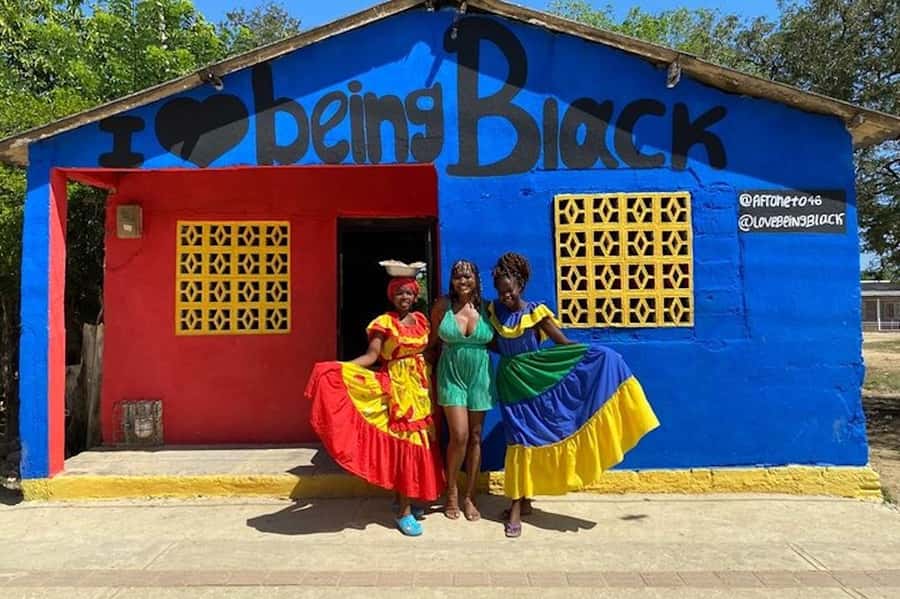
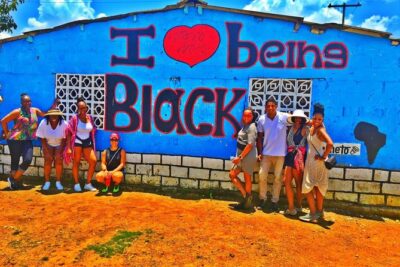
- Photo moment: a quick stop at the letters for YO AMO A PALENQUED
The trip that turns history into a real town
Cartagena is big on picture-perfect views. This is different. I like that you’re heading to San Basilio de Palenque, a small place where African heritage is still visible in music, community identity, and everyday traditions.
The tour’s core hook is the Road to Emancipation theme. You’ll learn how Palenque became a landmark of freedom, and you’ll connect that story to present-day culture instead of treating it like something that ended a long time ago. Expect a day where the past isn’t distant; it’s spoken about in the same space where people still dance, make art, and practice traditional knowledge.
Read on for more San Basilio de Palenque heritage days from Cartagena
Pickup, ride time, and why patience matters
You start with a pickup system that follows the map of Cartagena. If you’re staying in the historic center, you’ll meet the group at 8:00 AM at the Clock Tower. If you’re in Bocagrande, Castillo Grande, or Laguito, pickup is between 8:20 AM and 8:45 AM. For Marbella, Cabrero, Crespo, Cielo Mar, or hotels in the north zone (and Manzanillo del Mar), pickup runs later, between 8:30 AM and 9:00 AM. Guests in Manga and on Isla de Barú should arrive at the Clock Tower at 8:00 AM.
In plain terms: this tour is easiest if you’re not chasing every minute. Several recent experiences mention that the van collects guests from different areas, which can make the morning feel slower than you expected. Once you’re on the road, the drive is typically over an hour, and you’ll settle in for the day.
One practical note: the tour includes air-conditioned vehicle transport, but not every van ride feels the same. If you’re sensitive to temperature, take that into account and bring water (the tour provides a bottle of water, which helps).
Step inside Palenque: the town square and the people behind the story
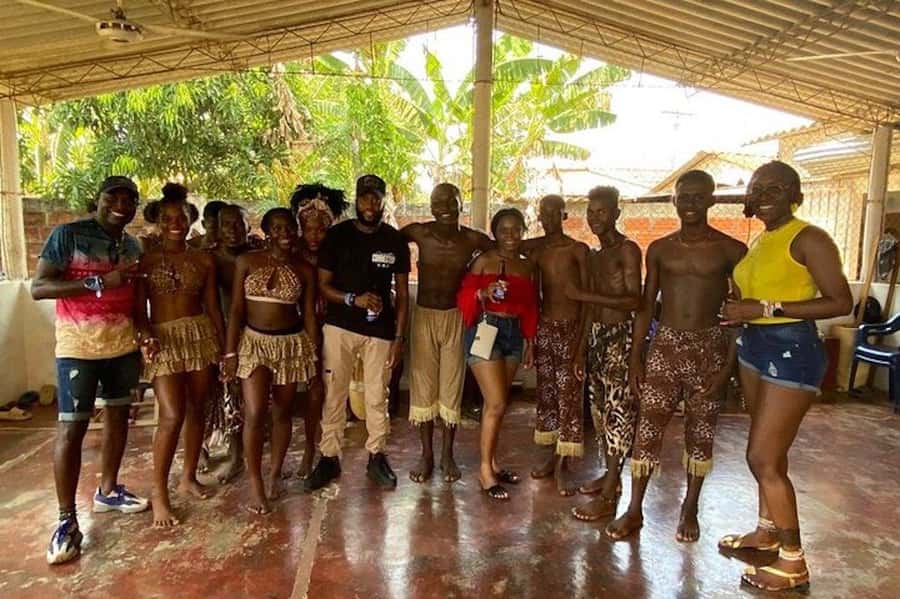
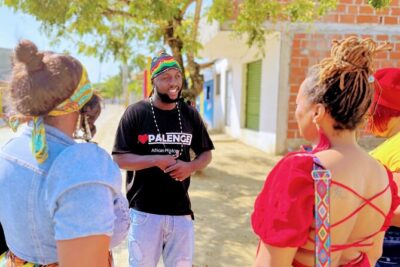
The first key shift is that you’re not only seeing Palenque—you’re walking into it with guidance. The day includes a stop at the town square, which is usually where a community’s everyday energy becomes obvious fast.
From there, you’ll move through a sequence of meaningful locations. This is one reason the experience can feel stronger than a quick photo stop: the stops aren’t random. They’re built to explain how culture survives—through language, art, community spaces, and practices that continue even when outsiders arrive.
If you like your tours with story order (what you see leads to what you understand), this one works. You’ll go from public space to homes and specialized sites that show different sides of Palenque life.
Kombilesa mi house and the bridge from ancestors to today
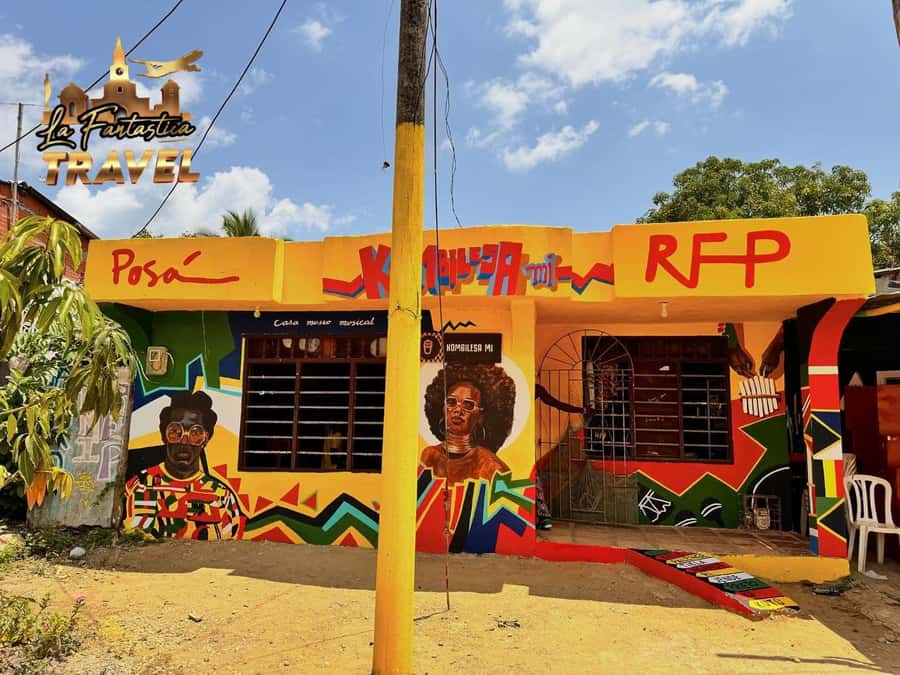
One of the most interesting stops is the house of kombilesa mi. You’ll also see a mix of cultural expressions that connect roots to present identity. The tour includes a stop connected to a folkloric rap group, which helps modern Palenque land in your mind, not as an add-on, but as part of cultural continuity.
This part of the day is where you start hearing the idea behind the tour’s theme: Palenque isn’t presented as a museum of the past. It’s described through living culture—music, performance, and community memory.
Language lesson in motion: Bantu words and Bantu roots
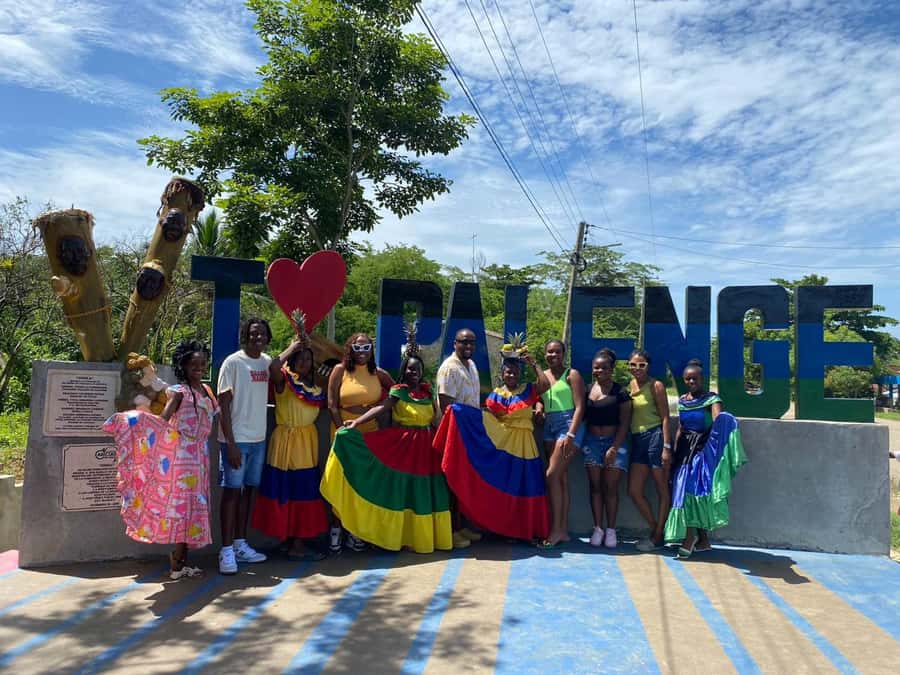
You’ll get more than a general introduction. The tour says you’ll learn words in the Bantu language of Guinea and Congo. That detail matters. When someone actually tries a few words in context, you stop treating the culture like scenery and start treating it like a living system.
In practical terms, use this as a moment to slow down. Pay attention to pronunciation and use the few words you learn at least once in conversation. Even if your accent isn’t perfect, the gesture usually lands.



The dance show: where you play drums and learn steps
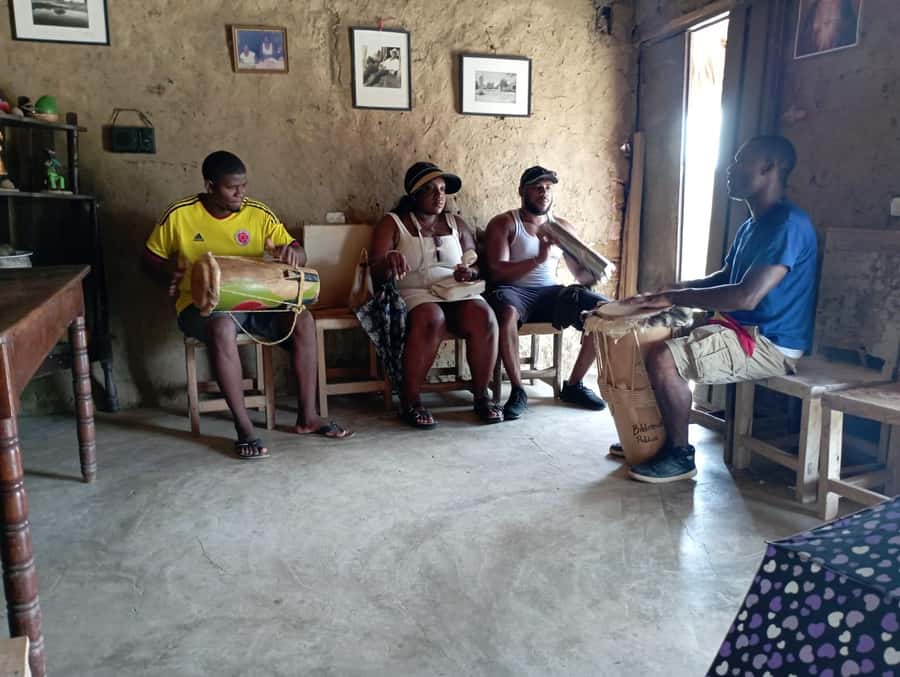
This is the headline moment for many people because it’s not passive. The tour includes a dance show, and you’ll join in with traditional dance steps while also playing the drums.
Bring energy. Don’t show up thinking you’ll just sit back, take photos, and leave. The best part is the teamwork—between dancers, your guide, and you. It turns a history lesson into something embodied.
Also, if you’re celebrating a birthday or a milestone, this can become a standout memory. Some experiences describe being welcomed into the celebration with music and participation, which makes the whole day feel personal rather than scripted.
Palenque viejo and the museum-style stops that put context on murals
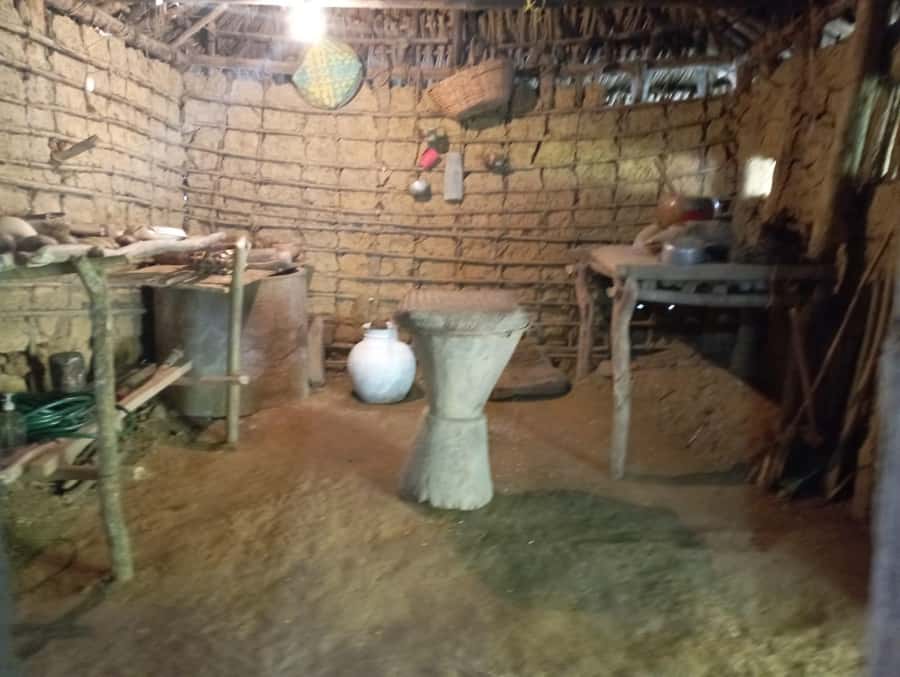
The itinerary continues with stops that often feel like a guided walk through how Palenque narrates itself. You’ll visit the museum house and palenque viejo, plus you’ll have time to take in what people have chosen to preserve and show.
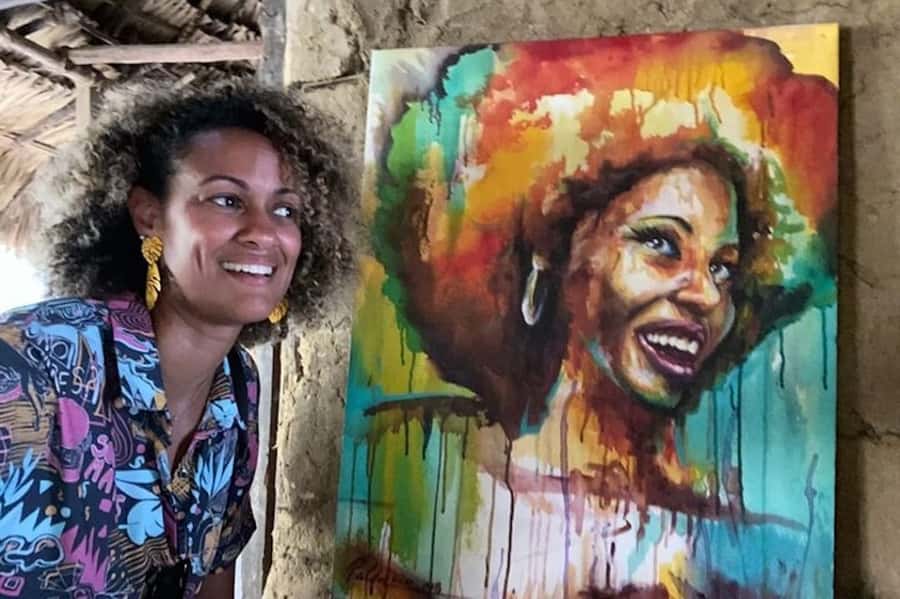
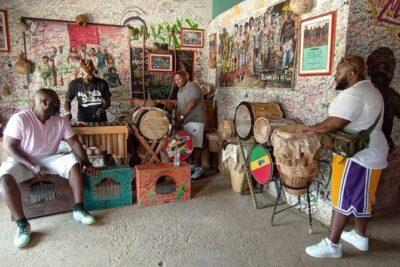
This is where the tour helps you read the town. Murals and public art can look like decoration if you don’t know the story behind them. With a guide explaining what you’re seeing, the visuals start to function like a timeline.
A drawback to note: if you prefer wide-open time to wander at your own pace, this tour is more structured. The value is in seeing multiple sites with context, not roaming freely without guidance.
Traditional medicine stop: heritage in practice, not just in theory
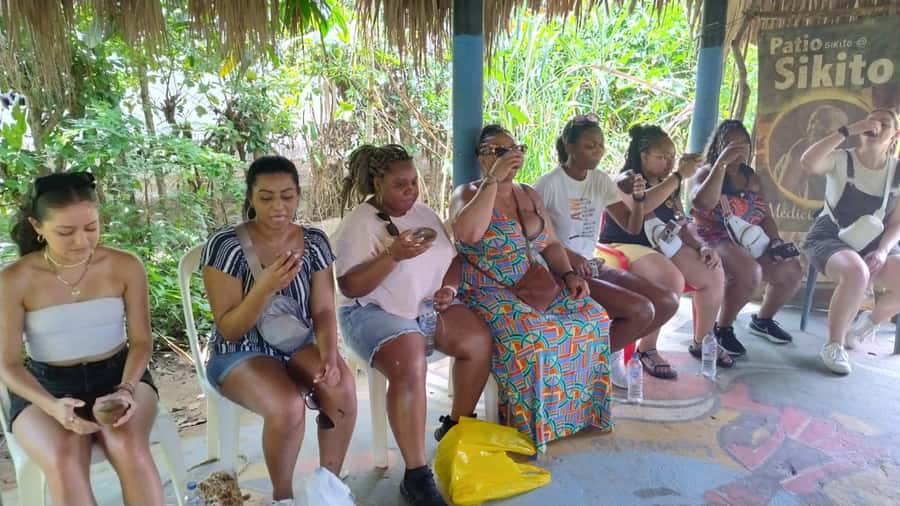
One of the stops listed is traditional medicine. This is one of those experiences that can change how you interpret everything else you learned that morning.
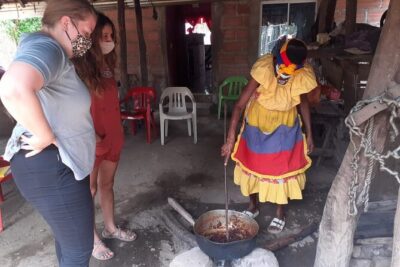
The medicine stop is framed as community knowledge—something passed down and practiced in daily life. In recent experiences, visitors appreciated hearing the explanation behind herbal knowledge and seeing how it supports community memory and wellbeing.
If you’re curious about how cultural knowledge survives, this stop is a strong anchor. If you’re uncomfortable with hands-on demonstrations or sensitive topics, just know the day includes serious history along the way, so you’ll want to pace yourself.
The lunch that makes the day feel worth it
After the cultural stops, you’ll end with lunch: a delicious typical palenquero dish included on the tour. Lunch is not an afterthought here; it’s part of the package.
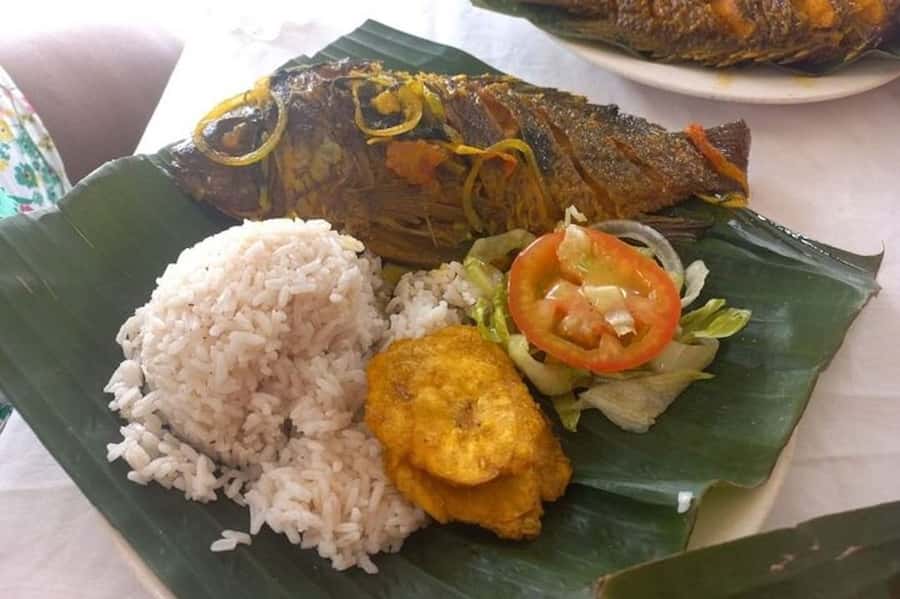
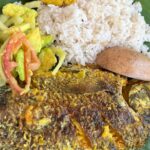
What you might notice at the table depends on the day, but a few people report choices like fish cooked in coconut milk and also chicken, along with drinks made from sugar cane juice. If you have dietary needs, the tour data doesn’t spell out options, so it’s smart to ask before you go.
One more small practical upside: a full lunch after a half-day out of town means you won’t scramble to find food later. That helps the value math, especially if Cartagena prices and tourism crowds are annoying you that day.
Road to Emancipation: how the sensitive parts are handled
The tour’s highlight specifically promises learning the history of the first free people of America. That can’t happen without talking about slavery and freedom in a direct way.
Recent experiences describe the topic of slavery being treated honestly and candidly. That’s a good sign, because this history deserves clarity. It also means the tour is likely to feel heavier at moments, even though you’ll also dance, take photos, and laugh during the show.
My advice: don’t try to power through the emotional parts quickly. If you feel something shift during the explanation, that’s the point. Let it land.
Price and value: is $108 a good deal?
At $108 per person for about 6 hours, this tour isn’t the cheapest thing in Cartagena. But it can be fair value if you care about cultural depth and you like guided context.
Here’s what’s included:
- Air-conditioned vehicle and private transportation
- Native bilingual guide (Spanish and English)
- Dance show with participation
- Lunch plus bottle of water
When you compare that to cheaper day trips that skip the show, the language connection, and the structured stops, this one makes sense. You’re paying for more than transit—you’re paying for access to Palenque’s culture through local guides and planned encounters.
The value gets better if you want a single, well-organized half-day that covers multiple parts of Palenque rather than piecing it together on your own.
The main “cost” isn’t money. It’s time. You’ll give up most of your day, and the pickup routine means the morning can feel slow.
What to bring (and what to plan for) for a smooth day
This tour runs in the morning and spends time outdoors in Palenque, so come ready for heat and sun. Even though lunch and water are provided, you’ll still want the basics.
Practical suggestions based on what visitors have noticed:
- Bring tip money if you want to thank performers and local guides for taking part in the day
- Wear comfortable shoes for walking between stops
- Bring sunscreen and a hat, and consider that some departures provide umbrellas for shade if you didn’t pack one
- If your Spanish is basic, don’t worry. English is supported, and the language lesson is built into the program
And the mindset tip: bring energy. The dance/drumming piece is easier when you show up ready to participate.
Who this tour is best for
This works best if you want:
- A cultural day trip beyond Cartagena’s old walls
- A history lesson with real-life context
- Music, drumming, and dance participation
- A structured visit with stops that connect the town’s identity to its emancipation story
It may be less ideal if you dislike participation and performance. This is not a sit-and-watch event. You’ll be invited to join.
Also, if you hate long mornings, plan around the pickup timing. A later start from some neighborhoods is normal, and the group collection can add waiting.
Should you book Cartagena: Palenque Tour and Road to Emancipation?
If your goal is a meaningful, one-day cultural connection to African roots in Colombia—through language, dance, community spaces, and a serious emancipation story—I think you should book it.
Book it especially if:
- You want the dance/drumming experience, not just photos
- You care about seeing multiple Palenque sites with context
- You want lunch included so the day stays simple
Skip it if:
- You’re very schedule-sensitive and hate any pickup delays
- You only want casual sightseeing with minimal participation
- You’re expecting a light, purely entertainment-based trip
FAQ
What is the duration of the Palenque tour from Cartagena?
The tour runs for about 6 hours, with a main town visit portion listed as 5 hours.
How much does the tour cost?
The price is $108 per person.
What does the tour include?
It includes air-conditioned transportation, private transportation, a native bilingual guide, a dance show, lunch (almuerzo), and a bottled water.
Do I get pickup from my hotel?
Yes. Pickup is included, with different pickup windows depending on which Cartagena neighborhood you’re staying in.
What time does pickup start in the historic center?
For guests staying in the historic center, pickup is at 8:00 AM at the Clock Tower.
What neighborhoods have later pickup times?
For Bocagrande, Castillo Grande, and Laguito, pickup is between 8:20 AM and 8:45 AM. For Marbella, Cabrero, Crespo, Cielo Mar, and hotels in the northern zone (and Manzanillo del Mar), pickup is later, between 8:30 AM and 9:00 AM.
Is the guide available in English and Spanish?
Yes. The live tour guide speaks Spanish and English.
What activities happen in Palenque?
You’ll visit several locations in town, including the town square and stops connected to kombilesa mi, a museum house, palenque viejo, and traditional medicine. The tour also includes a dance show where you can participate, including playing drums.
Is lunch included, and what kind of food is it?
Lunch is included and described as a typical palenquero dish.
Is the pickup and tour arrangement flexible to changes?
The tour offers free cancellation up to 24 hours in advance for a full refund, and it also supports reserve now & pay later.
More San Basilio de Palenque Heritage Days
More Tour Reviews in Cartagena



Not quite it? Here is more to do around Cartagena, freshly reviewed






San Basilio de Palenque Heritage Tours, compared.
 ★ 4.7Palenque´s tour, dance show, lunch, pick-Up incluFrom $112182 reviews
 ★ 5.0Tour a san Basilio de Palenque desde cartagenaFrom $110123 reviews
 ★ 5.0Mud Volcano and Palenque Cultural ExperienceFrom $22561 reviews
 ★ 4.4From Cartagena: San Basilio de Palenque TourFrom $7849 reviews
 ★ 5.0Tour cultural to san Basilio de Palenque from cartagenaFrom $9945 reviews
 ★ 5.0Private Tour with Certified Guide of San Basilio De PalenqueFrom $13037 reviews
 ★ 4.5Palenque African Roots Day TourFrom $10533 reviews
 ★ 5.0Tour to San Basilio de Palenque – African villageFrom $12732 reviews
Browse the lists this tour appears in