
Reviewed · LA BOQUILLA MANGROVES & BIRDWATCHING
Mangroves, cultural fishing, black heritage town and lunch
Mangroves feel like a secret corridor—and so does the culture here. You’ll glide through the mangrove forest with bright, leafy tunnels overhead and get hands-on with local fishing methods, then refuel with a beachside Afro-Caribbean lunch built around coconut, seafood, and Caribbean-style seasonings. One thing to consider: the experience can feel a little tight on time, and English communication may vary by guide.
You’ll start at Favipan Crespo (near Crespo Calle 70 in Cartagena) and head to La Boquilla, a nearby fishing village that has kept its Afro-Caribbean identity strong since the era when the area served as a haven for freed slaves. It’s set up as a private group with a live guide in English or Spanish, plus transportation to and from the meeting point.
In This Review
- Key highlights you’ll actually use
- From Favipan Crespo to La Boquilla: where the day really starts
- Boat time in the mangroves: leafy tunnels and real fishing practice
- The fishing village walk: culture you can feel, not just facts on paper
- Lunch by the sea: coconut, seafood, and typical Afro-Caribbean flavors
- Price and time: what $49 gets you, and where it can feel tight
- Who should book this mangrove-and-lunch tour
- What to bring and how to show up prepared
- My take: should you book Cartagena Adventures’ La Boquilla tour?
- FAQ
- Where is the meeting point?
- What’s included in the tour price?
- What’s not included?
- How long is the experience?
- Do I need to bring anything?
- What languages is the tour guide available in?
- Is there free cancellation?
Key highlights you’ll actually use
- Mangrove boat route with foliage tunnels: watch how the canopy creates shaded corridors of green.
- Traditional fishing moments: you may cast nets and learn what fishermen focus on in day-to-day work.
- Afro-Caribbean heritage in La Boquilla: you’ll see a community proud of African ancestry, with lively rhythms around the village.
- Lunch that matches the region: coconut-forward flavors, locally caught seafood, and typical Afro-Caribbean seasoning.
- Short beach walk after eating: easy decompression time before heading back to Cartagena.
From Favipan Crespo to La Boquilla: where the day really starts
This is not a sit-on-a-bus kind of tour. You meet at Crespo Calle 70, Cartagena (Favipan Crespo), then travel to La Boquilla, a fishing village just outside the city. That short transfer matters because it sets the tone: instead of treating mangroves as a scenic backdrop, you’re arriving where people actually live around water every day.
La Boquilla is the heart of the cultural part of the experience. The area is described as having retained Afro-Caribbean heritage from the days when it became a haven for freed slaves, and that context gives meaning to everything you’ll see afterward. You’re not just observing from a distance—you’re getting oriented to why the village feels the way it does.
Because hotel pickup and drop-off are not included, plan to get yourself to the meeting point on time. Aim to arrive about 15 minutes early so the group can leave smoothly.
Read on for more San Basilio de Palenque heritage days from Cartagena
Boat time in the mangroves: leafy tunnels and real fishing practice
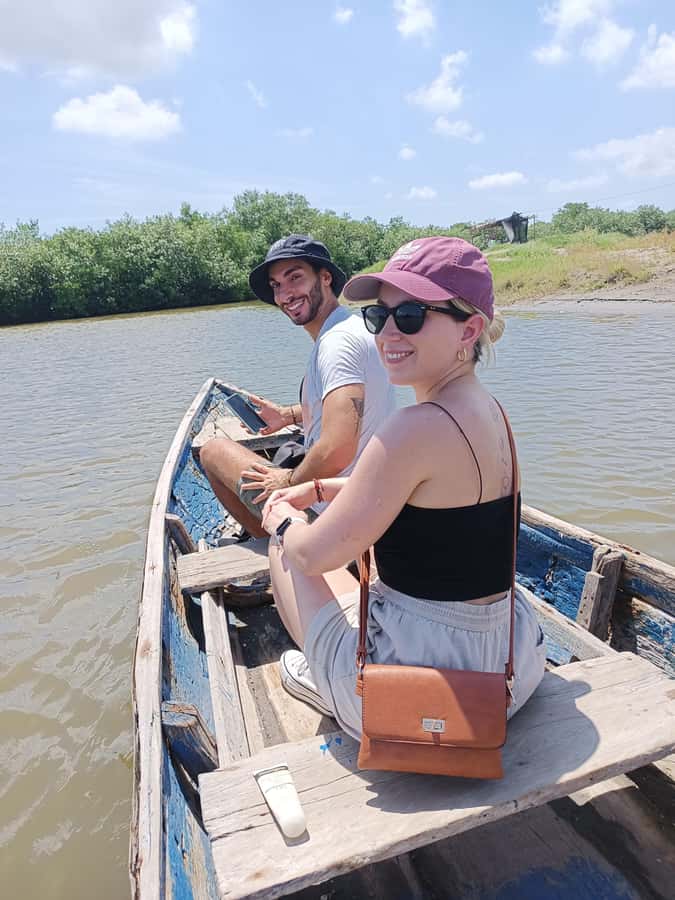
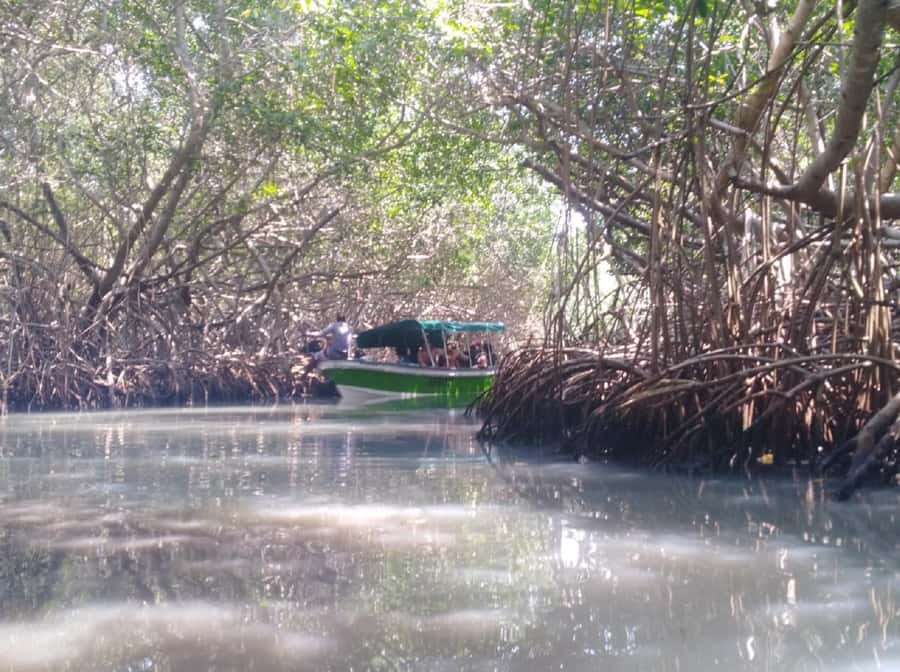
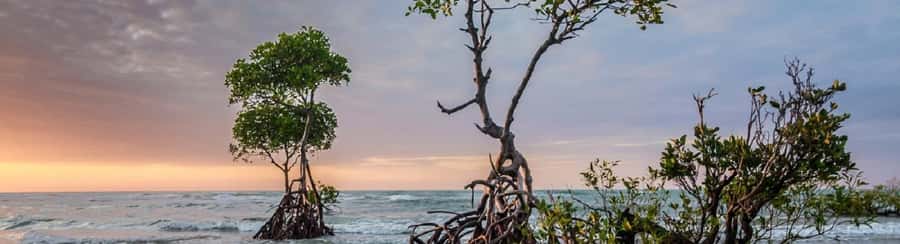
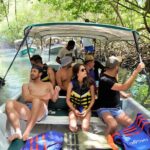
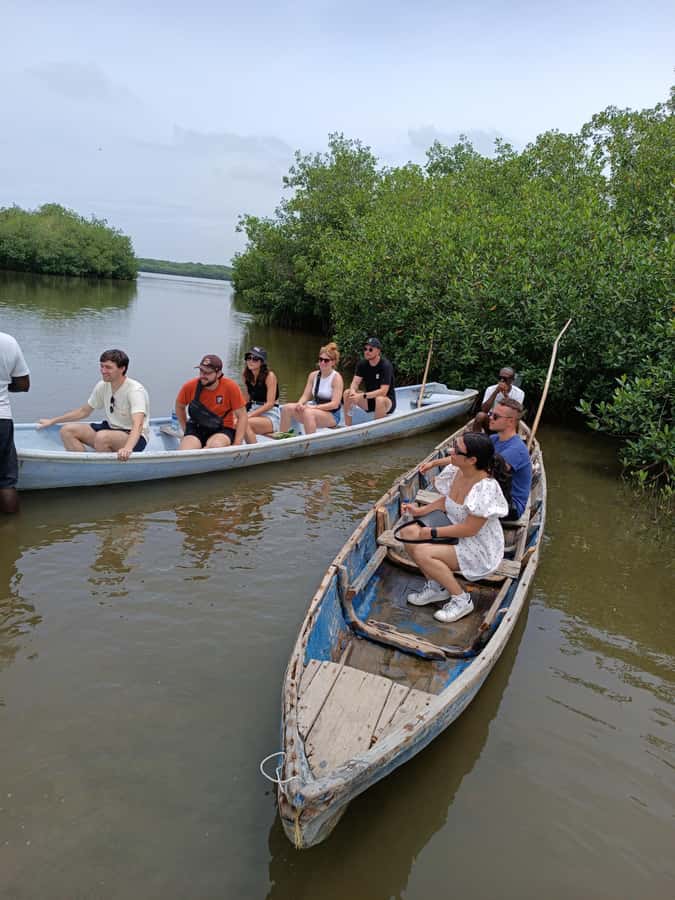
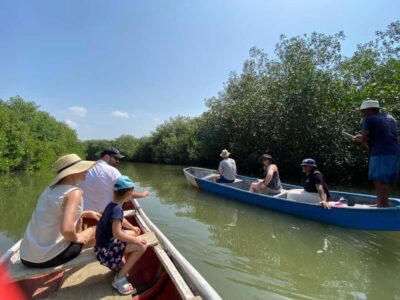
The mangrove segment is the main event, and it’s set up to feel like a working ecosystem, not a postcard. You’ll board a boat and move through the forest where dense foliage forms bright tunnels overhead. The light changes constantly as you pass under branches, and that makes the ride feel more interesting than a simple sightseeing cruise.
You’ll also be watching for regional animals native to the area. The tour description doesn’t promise specific species, so treat it like wildlife-spotting where you keep your eyes open rather than like a safari checklist. Even without a clear sighting, the structure of the mangroves does something special: it visually explains why this ecosystem supports fishing.
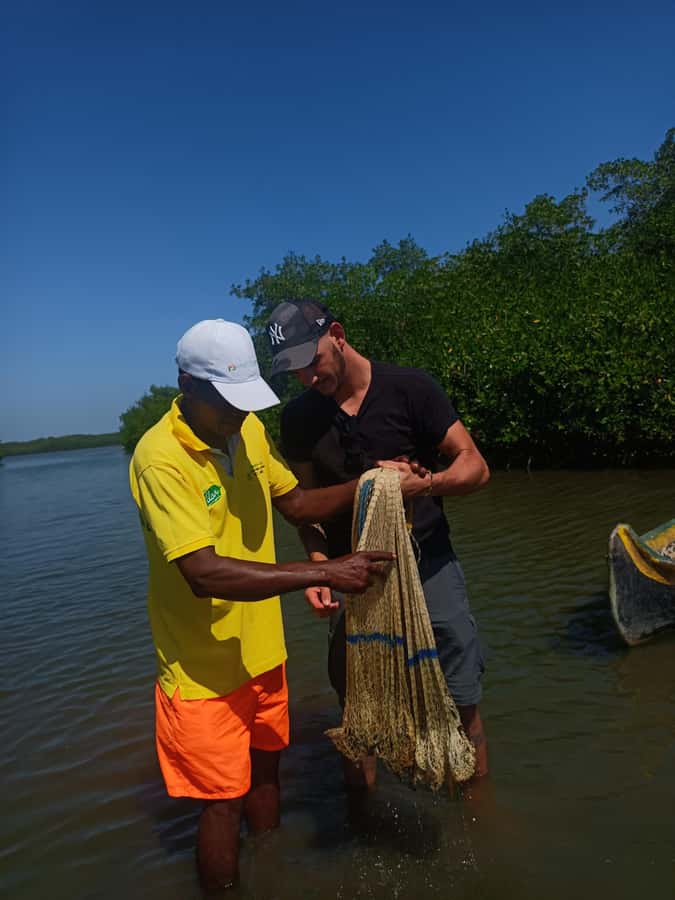
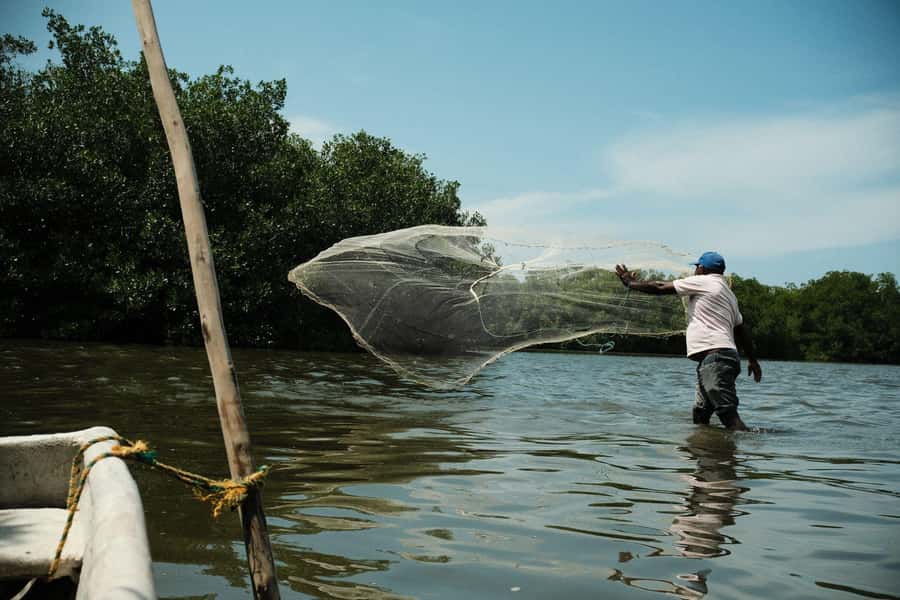
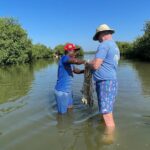
Then comes the practical part. When you see fishermen pulling in nets, you’re getting a glimpse of how the area functions economically. Several guides and boats emphasize participation, and some people end up trying net casting themselves. It’s harder than it looks from shore. Your arms and timing will tell you that quickly, which is part of the fun.
The fishing village walk: culture you can feel, not just facts on paper
After the boat, you’ll spend more time in La Boquilla before lunch. This is where the cultural focus shows up beyond the mangroves. The tour description highlights pride in African ancestry, and you’ll often notice that in the small details: how people move through the village, how the rhythm of music shows up, and how children respond to that atmosphere.
One thing I like about this format is that it treats culture as daily life, not a staged performance. The freed-slave connection helps frame why Afro-Caribbean identity remains visible here. And when a guide is good at guiding conversation, you get context that you would miss if you only rode the boat and left.
Language can be a factor. One person noted that the guide’s English wasn’t very fluent, while a translator helped and everything worked well after that. If you’re comfortable with Spanish, you’ll likely feel more connected. If you rely on English, it’s smart to keep expectations flexible and let the guide set the pace.
Lunch by the sea: coconut, seafood, and typical Afro-Caribbean flavors
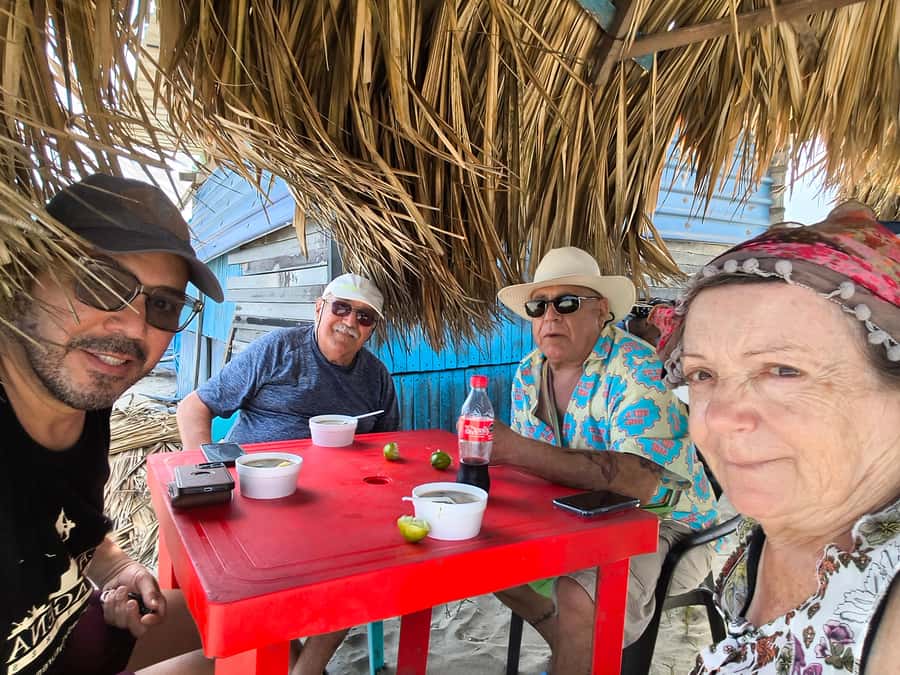
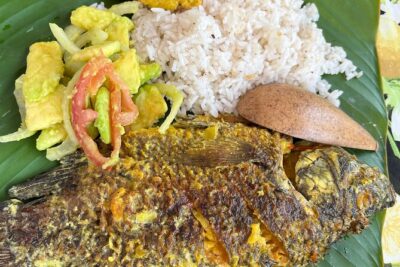
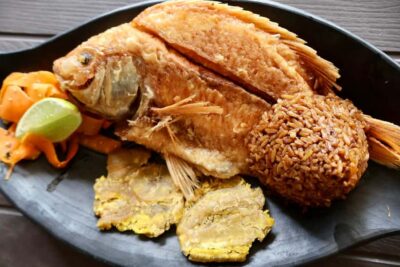
Lunch is included, and it’s designed to follow the mangrove work so your appetite actually makes sense. You’ll eat typical Afro-Caribbean cuisine with flavors that lean heavily on coconut and other local seasonings. The tour also emphasizes fresh, locally caught seafood, which is exactly the kind of detail that makes a meal feel tied to the day rather than generic.
I like this pairing: boat first, then food. If you do the opposite, lunch can feel like a separate errand. Here, it’s part of the same ecosystem story—water, fishing, cooking, and community all in one timeline.
A few notes to keep you realistic. Some people said the lunch was top quality and exactly what they wanted after the boat. Others felt lunch was a bit okay compared with how great the mangrove portion was, and one person would have preferred heading home sooner. So think of lunch as a meaningful included element, but don’t assume it will be the best meal you’ve ever had in Colombia.
Afterward, you’ll take a short walk on the beach to digest before you return to Cartagena. That quick stretch is underrated. It helps you reset after time on the water and keeps the experience from feeling like a sprint straight from boat to bus.
Price and time: what $49 gets you, and where it can feel tight
At $49 per person for about 3 hours, you’re buying a short, concentrated half-day. For Cartagena, that price sits in a sweet spot if you want a hands-on mangrove experience plus an included meal, without committing to a full day tour.
Here’s the honest trade-off: it’s short. One reviewer felt the boat and lunch timing seemed a bit rushed, with not quite enough time on the water and also a lunch block that didn’t stretch. Another person thought the fishing attempt was fun but a bit short. That doesn’t mean the tour is low effort—it means the schedule prioritizes getting you through boat + fishing practice + lunch + return, all in the same window.
So if you hate feeling rushed, you might want to mentally plan for a fast-paced flow. If you’re the type who prefers a clear, efficient experience over a lingering one, this timing will feel comfortable.
Also note that it’s a private group, which can help you get more conversation with the guide and keep the experience feeling personal. Still, private doesn’t automatically guarantee a slower pace.
Glide through more La Boquilla mangroves and birdlife near Cartagena
Who should book this mangrove-and-lunch tour
This tour is a good match if you want:
- A short mangrove adventure with real village context
- Hands-on moments like learning about nets and possibly casting them
- A meal that reflects the area’s Afro-Caribbean food culture, not a generic tourist lunch
- A guide you can talk to in English or Spanish
It’s also ideal if you’re staying in central Cartagena and don’t want complicated logistics. You meet at Favipan Crespo and the tour handles transportation to and from there. That makes it easy to fit into a day with other plans.
If you’re traveling with kids, the cultural emphasis on rhythm and movement is a plus, since the village atmosphere is described as engaging for children. Just remember this is water time and involves footwear that can handle uneven ground near boats and beach areas.
What to bring and how to show up prepared
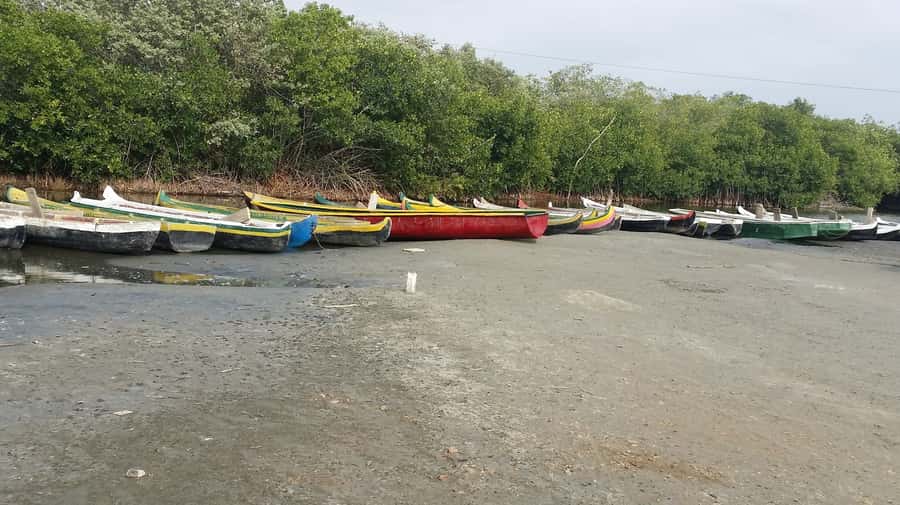
Bring a passport or ID card, since you’ll need it on the day. Wear comfortable shoes because you’ll be getting on and off the boat and walking briefly in and around the village and beach area. Dress in comfortable clothes you don’t mind getting a little warm and damp, since mangrove weather can feel humid and close.
If you have a motion-sensitive stomach, consider bringing what you normally use for boat rides. The tour includes time on the water, and even calm rides can feel different if you’re not used to it.
My take: should you book Cartagena Adventures’ La Boquilla tour?
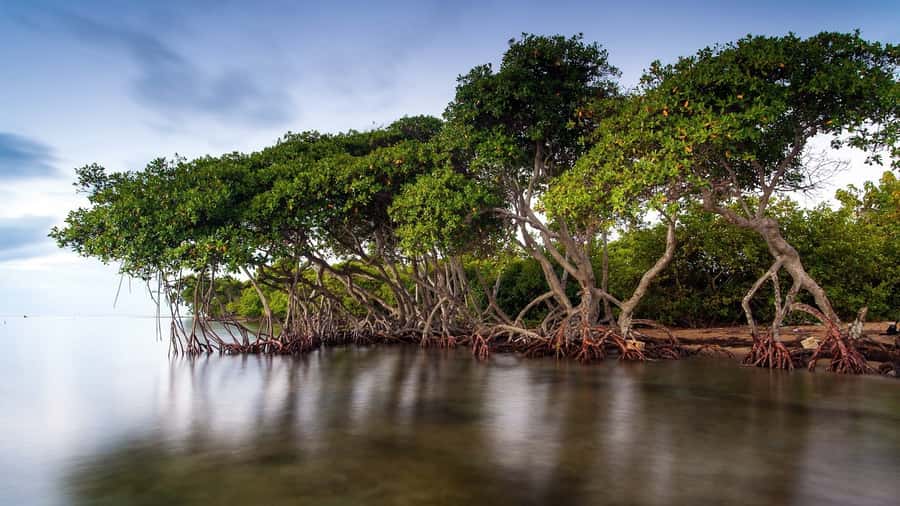
If your ideal day includes mangroves plus Afro-Caribbean culture, I think this is a strong choice. The mangrove boat ride through leafy tunnels is the headline, and the included lunch makes it more than a wildlife outing. You also get village context in La Boquilla, including the idea of freed-slave heritage that explains why Afro-Caribbean identity is still so visible.
I’d skip (or at least go in with lower expectations) if you’re looking for a long, unhurried nature experience. The schedule is built for efficiency, and some pacing complaints show up—especially around how much time you get to boat and fish. Also, if you depend heavily on polished English, be prepared for the possibility that communication may be uneven and a Spanish guide or translator support could matter.
Overall, for $49 and 3 hours, the value is pretty clear: you’re paying for a compact, authentic slice of La Boquilla life, not just a scenic boat ride.
FAQ
Where is the meeting point?
The meeting point is Crespo Calle 70, Cartagena, Bolívar, Colombia, at Favipan Crespo.
What’s included in the tour price?
Lunch is included, along with a short walk in the village. Transportation from the meeting point and back is also included.
What’s not included?
Hotel pickup and drop-off are not included.
How long is the experience?
The duration is 3 hours.
Do I need to bring anything?
You should bring your passport or ID card, plus comfortable shoes and comfortable clothes.
What languages is the tour guide available in?
The live tour guide offers English and Spanish.
Is there free cancellation?
Yes. You can cancel up to 24 hours in advance for a full refund.
More San Basilio de Palenque Heritage Days
More Tour Reviews in Cartagena
Not quite it? Here is more to do around Cartagena, freshly reviewed
La Boquilla Mangroves & Birdwatching, compared.
 ★ 4.8Mangrove Eco Tour & Fishing with TransportationFrom $55185 reviews
 ★ 3.7Full Day Barú island: Mangrove +Snorkel + Sunset + PlanktonFrom $69139 reviews
 ★ 3.8Snorkel, Mangroves and Playa Blanca Tour132 reviews
 ★ 4.0Adventure full day Isla Barú + Mangroves + Snorkel + bioluminescent planktonFrom $6595 reviews
 ★ 4.5Magical Full-Day Tour Through The Mangroves And The Beach In Isla de BarúFrom $4590 reviews
 ★ 5.0Cartagena Fishing & Crabbing • Unique Local Experience with LunchFrom $8990 reviews
 ★ 4.8Typical lunch on beach, mangrove tour & fishing with nativesFrom $8479 reviews
 ★ 4.9Rosario Island and Mangroves Private Day TripFrom $24473 reviews
Browse the lists this tour appears in